
Talking Trisomy Podcast
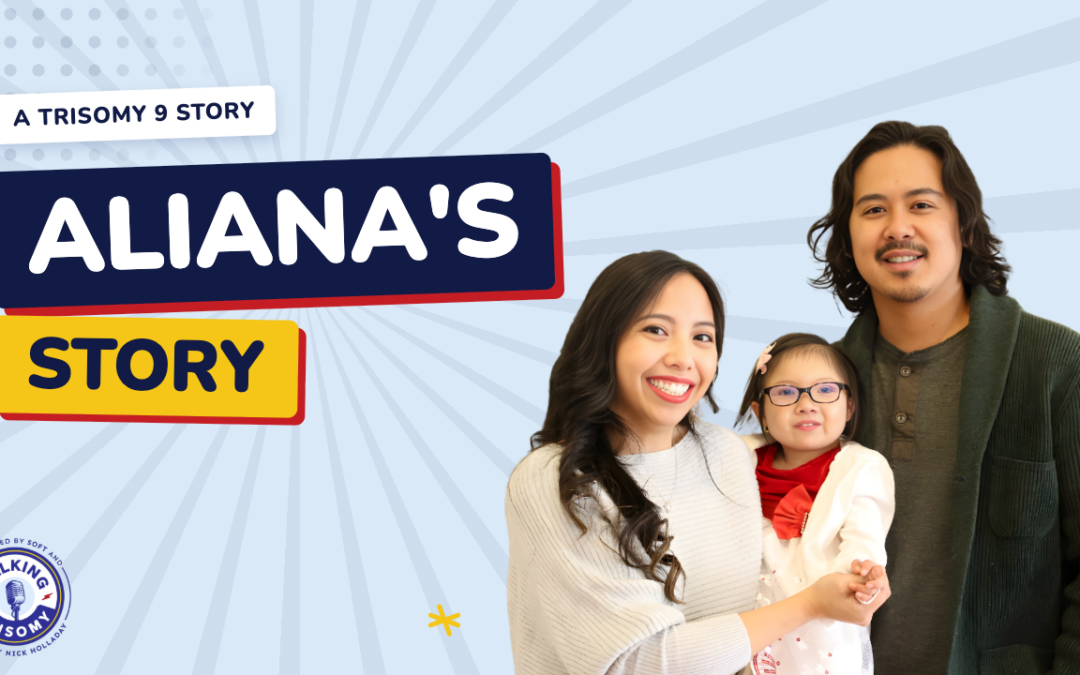
Aliana's Story: Growing Up with Trisomy 9q
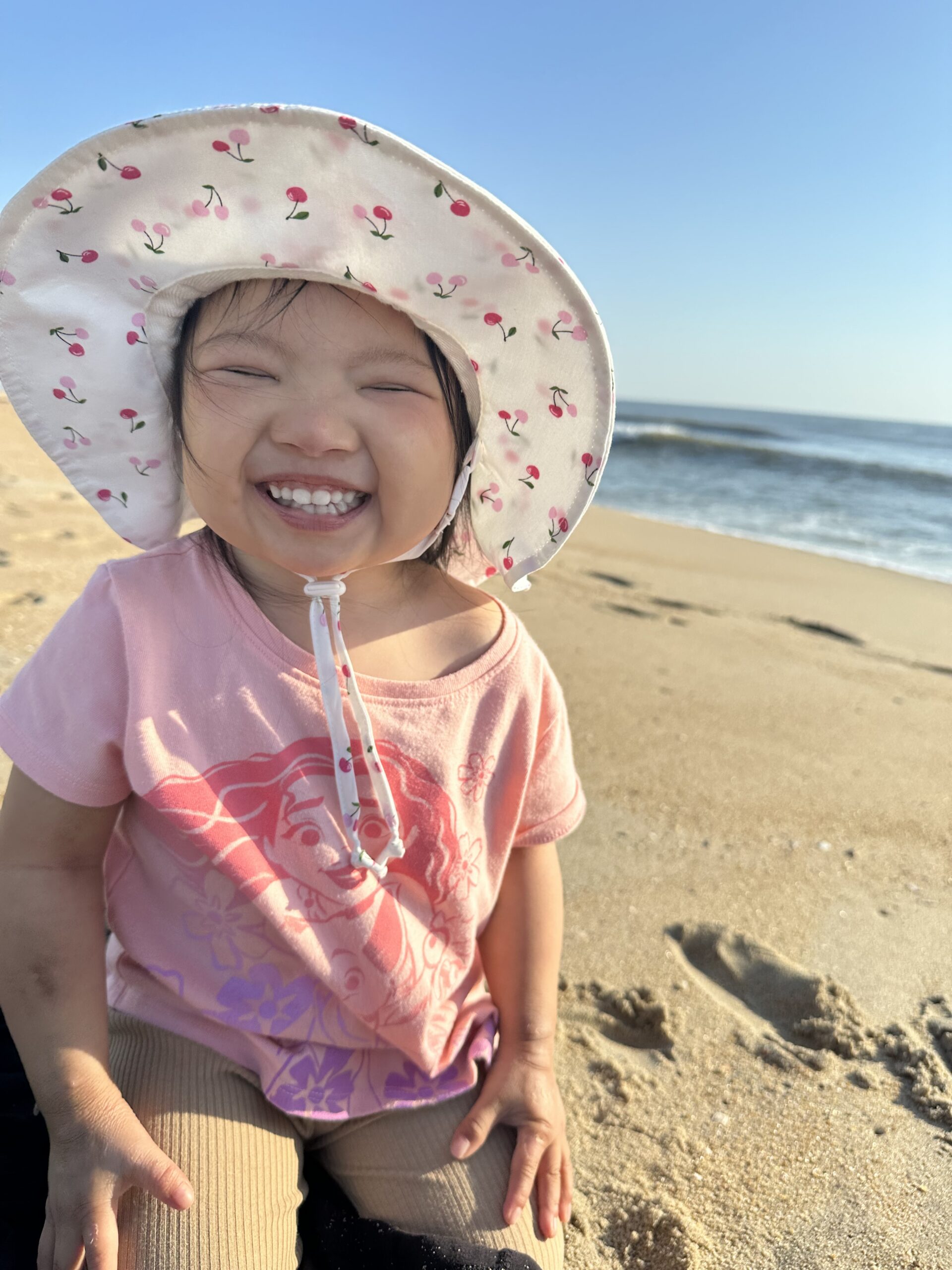
Ashley and Alex Sibal share how their daughter Aliana, diagnosed with a rare partial Trisomy 9q at eighteen months, is hitting milestones on her own timeline in Virginia Beach.
Listen to the full conversation
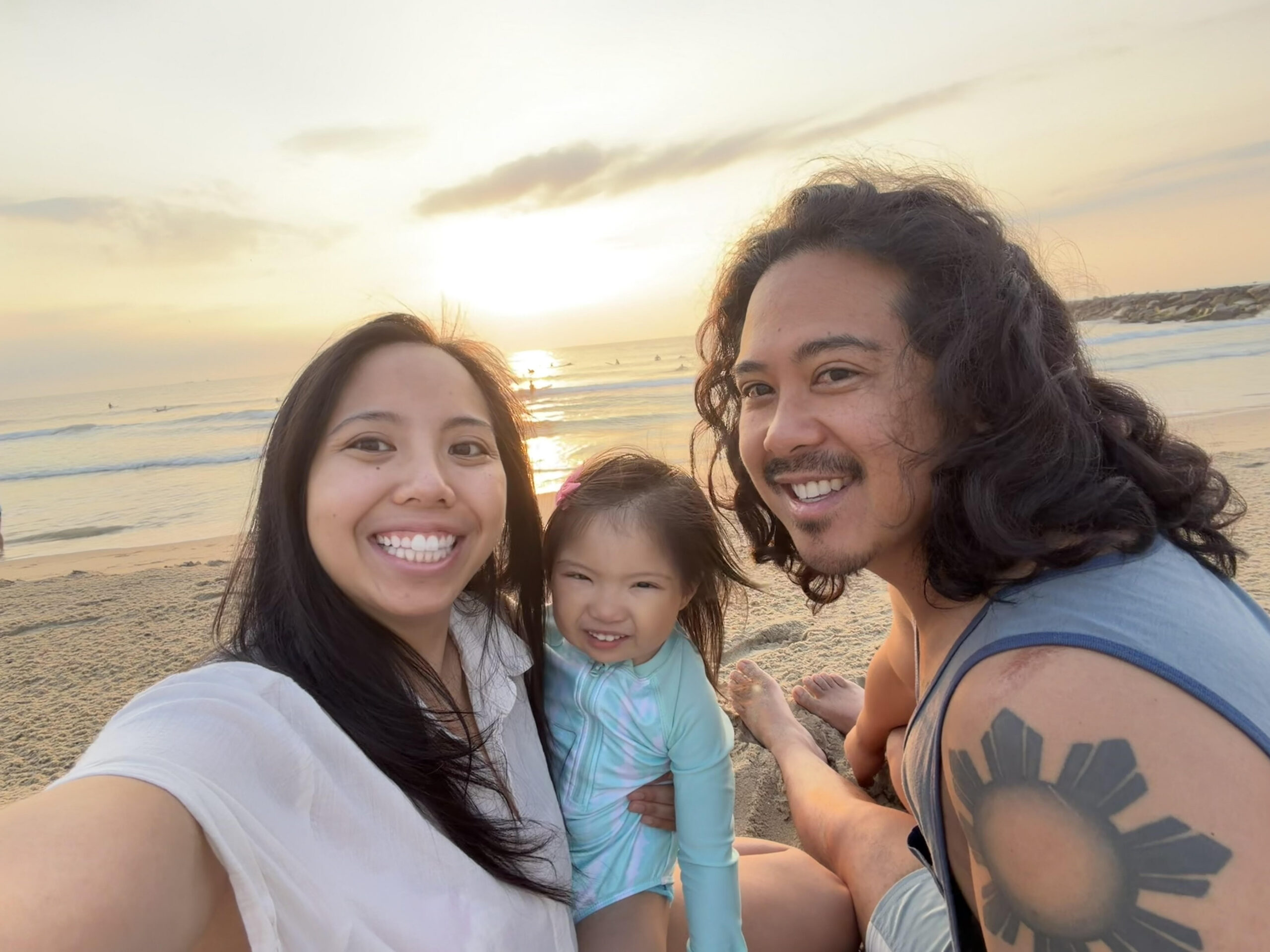
Ashley and Alex Sibal live in Virginia Beach with their daughter Aliana, age three, who has a rare partial Trisomy 9q. In this episode of Talking Trisomy, host Nick Holladay talks with Ashley about a diagnosis that did not come until Aliana was eighteen months old, what it means to have one of the rarest forms of Trisomy 9, and how a family with almost no literature to reference has learned to measure progress on Aliana's own timeline.
What Is Trisomy 9q
Trisomy 9 covers a spectrum of diagnoses. Some children have full Trisomy 9, some have mosaic Trisomy 9, and some, like Aliana, have a partial form involving only the q arm of the ninth chromosome. Ashley explains that Q is considered the rarest variation within an already rare condition, and that partial cases are even less common than mosaic ones. Every child with Trisomy 9 is different, but families in the community tend to see shared traits such as short stature and developmental delays.
A Diagnosis That Took Eighteen Months
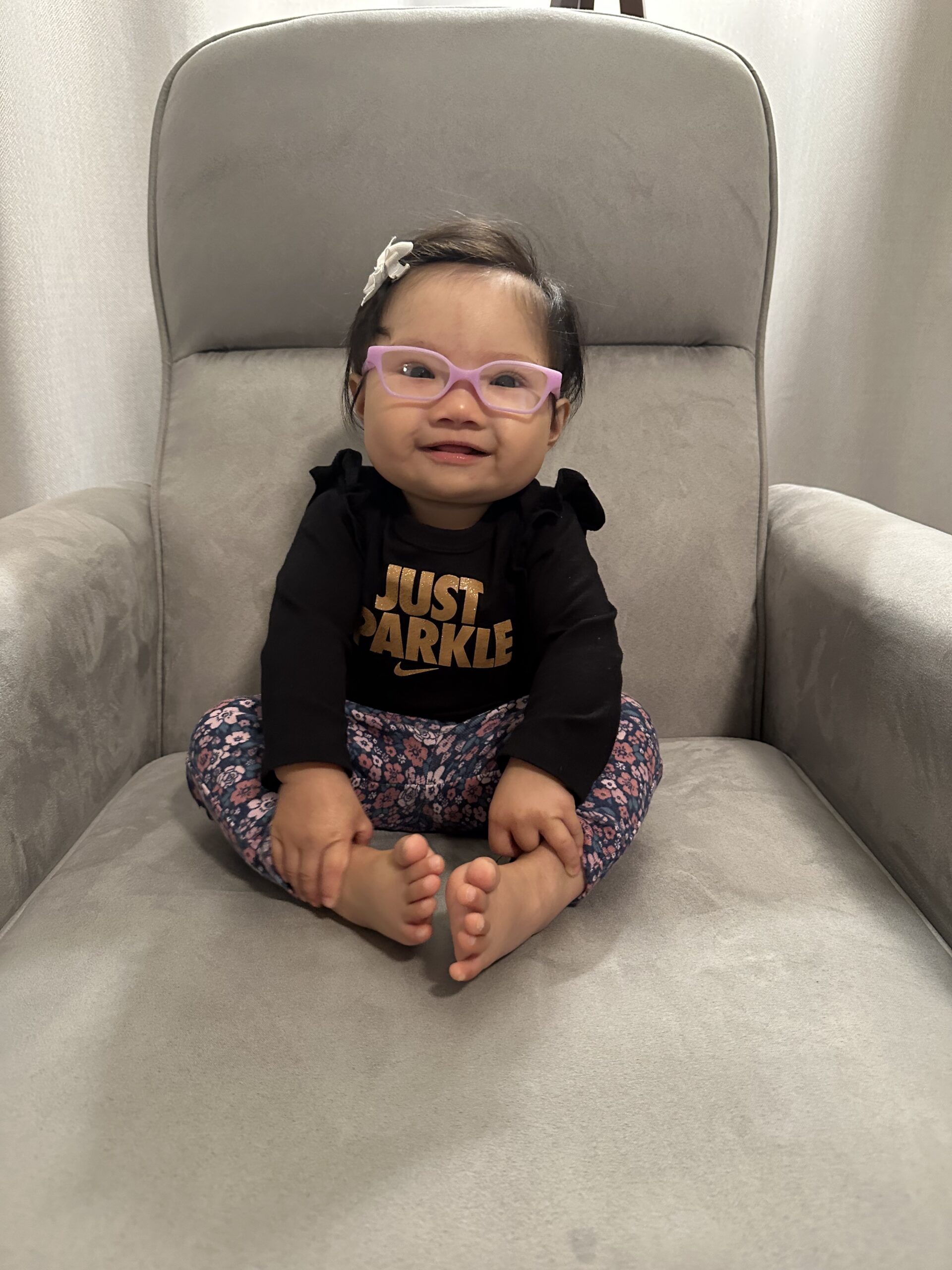
Ashley and Alex did not pursue prenatal genetic testing, and standard screening would not have detected Trisomy 9 regardless. Aliana was born small for gestational age and struggled to gain weight and feed in typical amounts. She was slow to sit and crawl, and a physical therapist noticed a pattern of hypertonia, her body stiffening when she was upset, that the therapist had not seen in her other clients. That observation led to a neurology referral, an MRI of her brain and spine, and finally a referral to genetics, where Aliana was diagnosed with partial Trisomy 9q at eighteen months old.
Because Trisomy 9q is so rare, Aliana's own neurologist and geneticist had never treated a patient with her exact diagnosis. Ashley turned to a Trisomy 9 Facebook group for information her medical team could not yet provide, and that search eventually led her family to SOFT.
Finding Community at the SOFT Conference
The Sibals attended their first SOFT conference in Indiana, where they connected with other Trisomy 9 families in person for the first time, including families raising children with the same 9q diagnosis. Ashley described the experience as intimidating at first, walking into a community where many families already knew each other, but says other parents reached out immediately, including a mother whose teenage daughter with Trisomy 9 was once nonverbal and now will not stop talking.
Ashley and Alex also contributed their family's story to SOFT's Trisomy 9 New and Expectant Parent Book, giving future families and clinicians a printed resource that did not exist when Aliana was first diagnosed.
Milestones on Aliana's Own Timeline
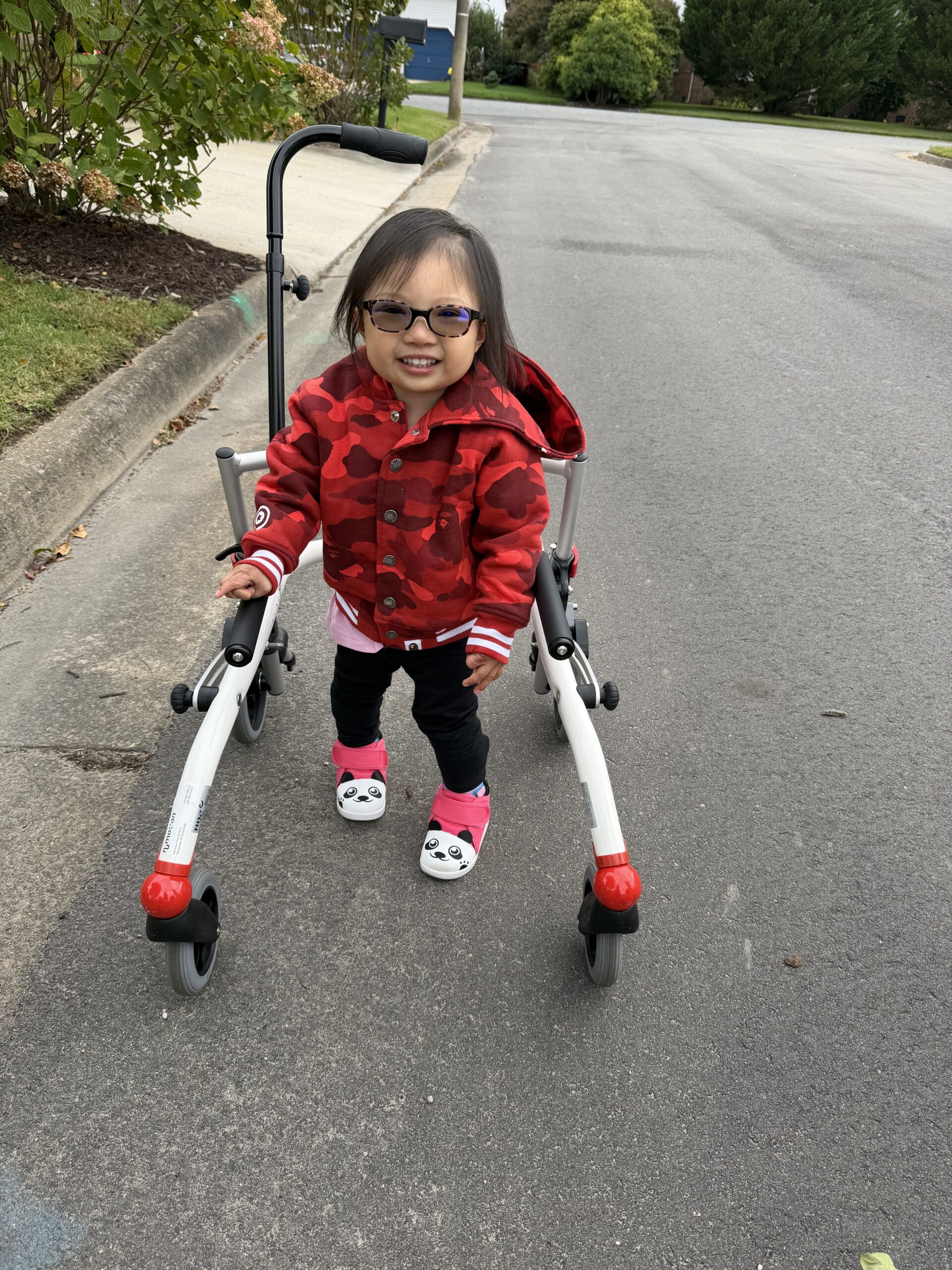
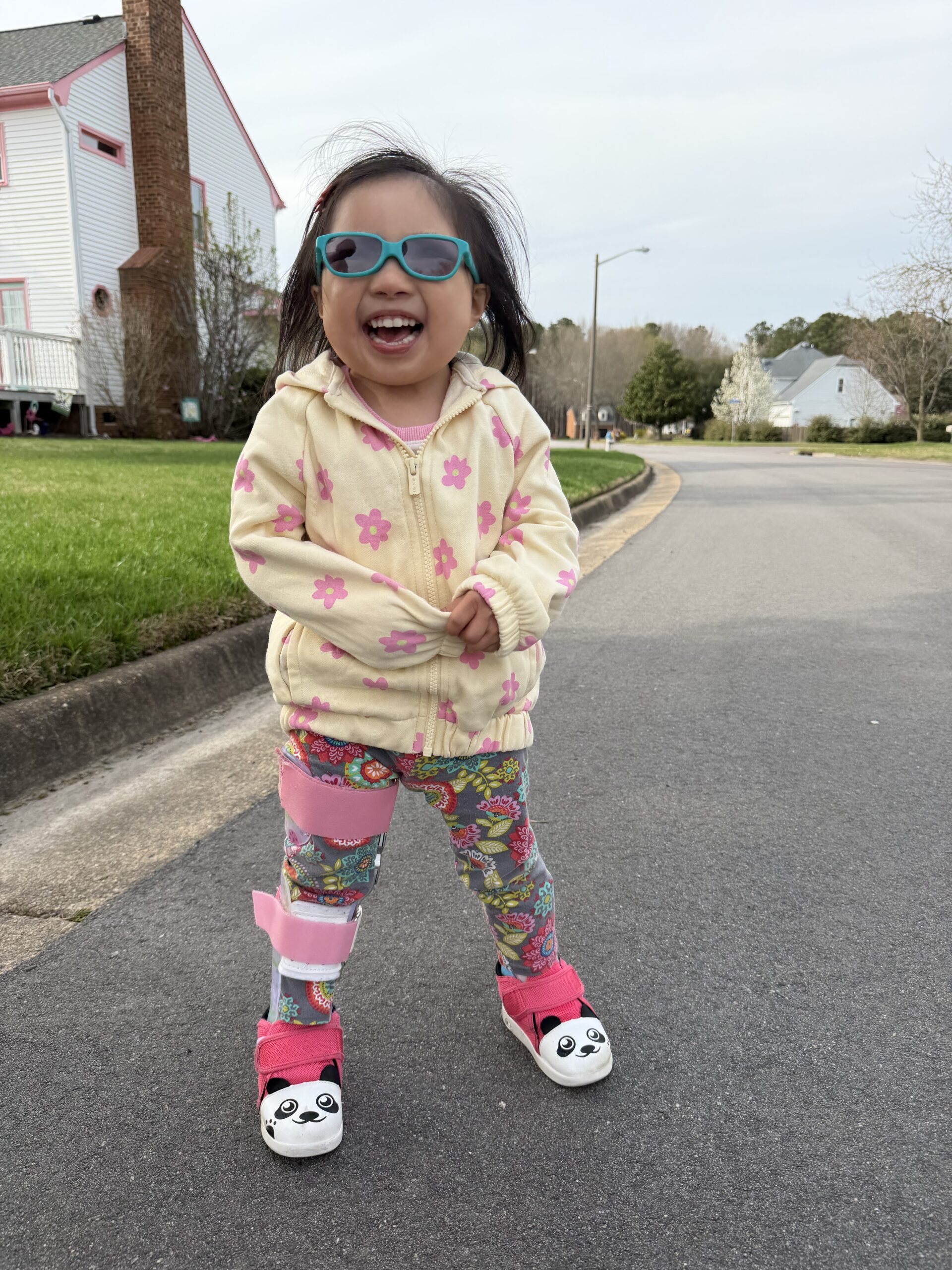
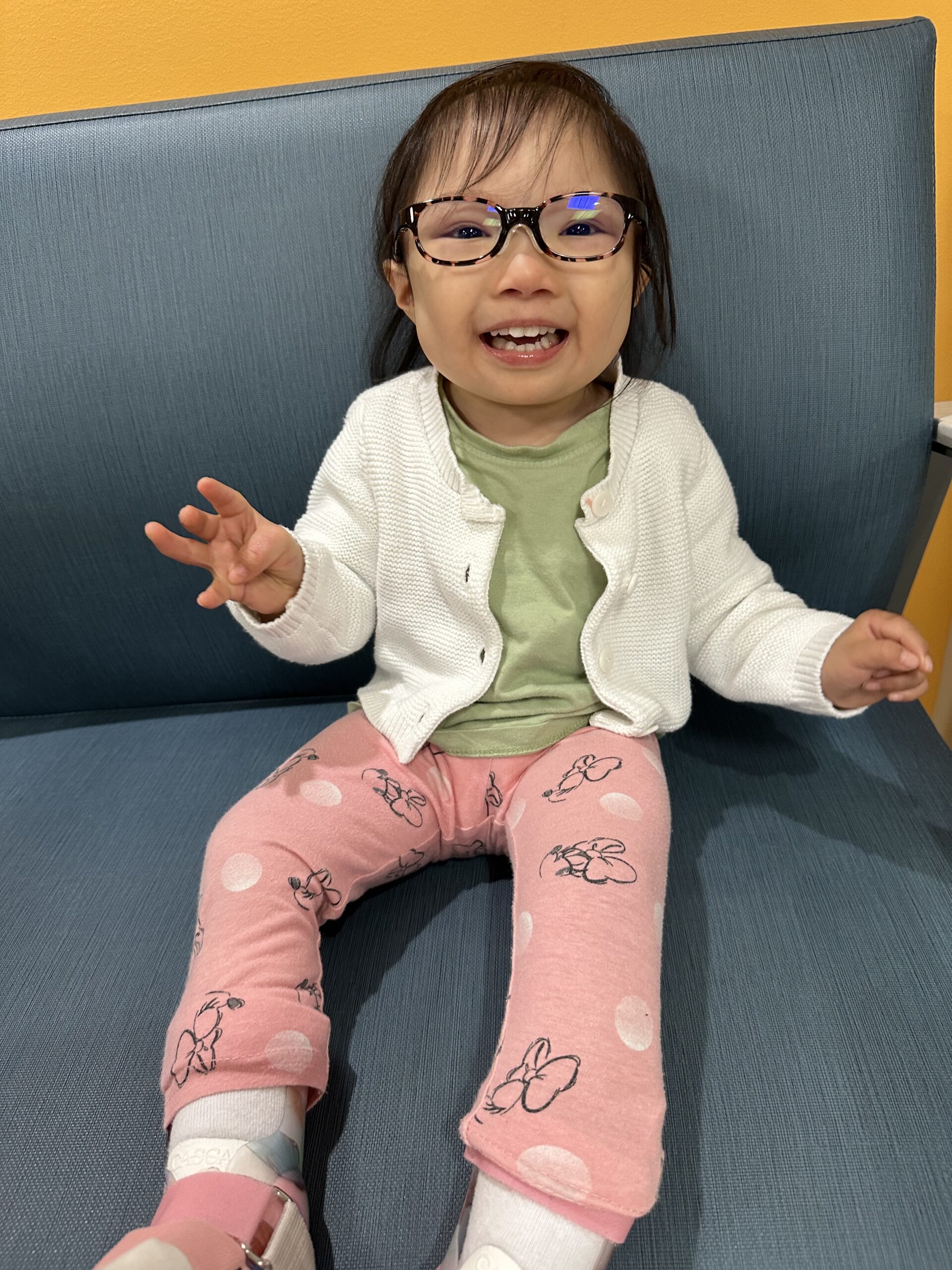
Aliana wears AFO braces and has used a crocodile walker to build strength and confidence. On her third birthday, during a physical therapy session, she took her first independent steps. She is now working on speech therapy twice a week and has started using an AAC communication device to help reduce the frustration that comes with being nonverbal.
Growth Charts and Feeding
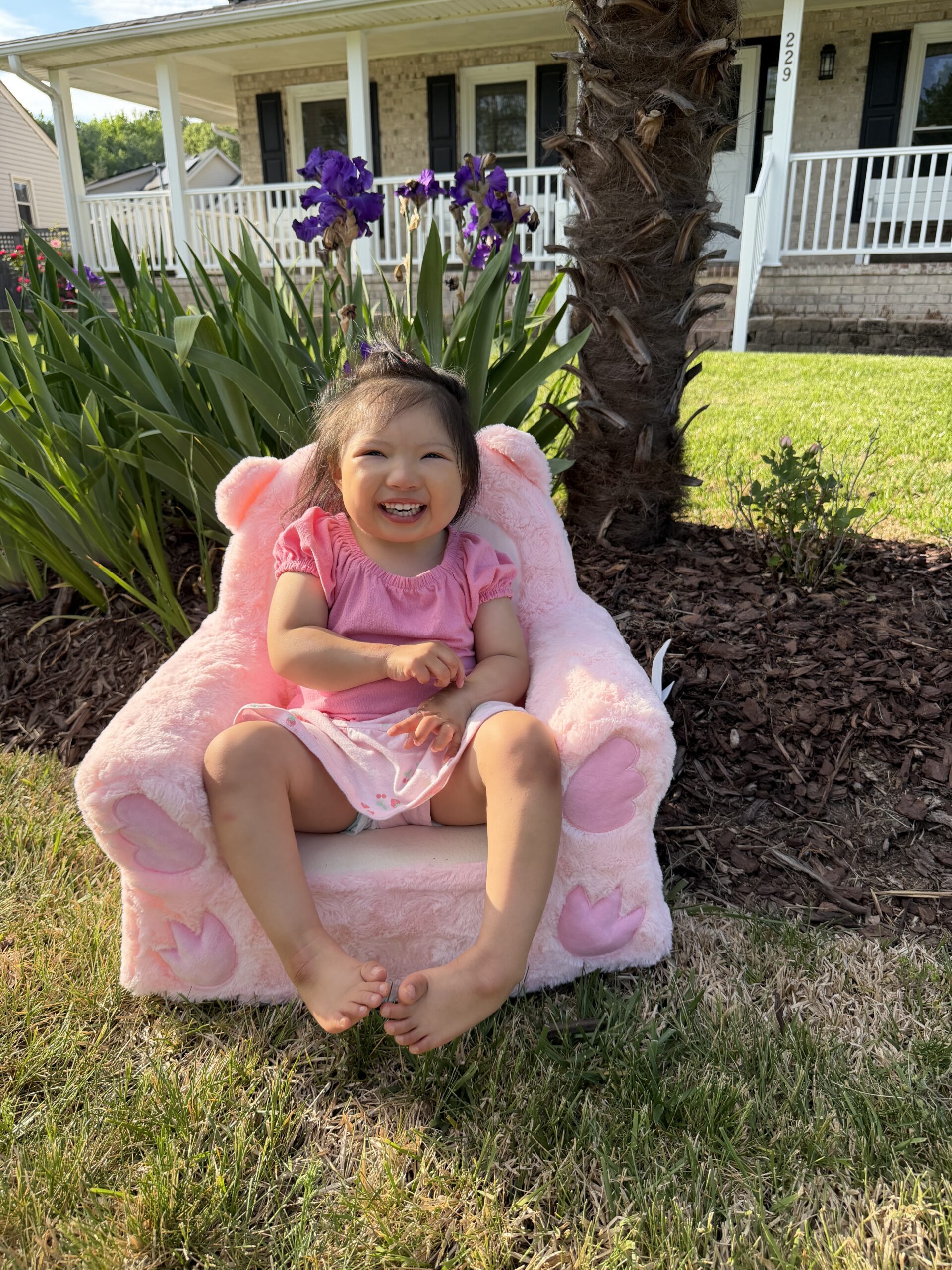
One of the hardest balances for the Sibals has been nutrition. Doctors initially pushed calorie intake through medication and supplements, but Ashley and Alex worked with their care team to prioritize teaching Aliana to feed herself over hitting standard growth chart numbers that were never built with Trisomy 9 in mind. Aliana now takes a high calorie shake blended with peanut butter, avocado, and frozen fruit, and continues to grow along her own curve.
The family has also found that everyday outings, from a Fever basketball game to a lap around the Indianapolis Motor Speedway, have become some of Aliana's favorite memories, proof that a Trisomy 9q diagnosis has not kept their family from doing the things they love.
Advice for Other Trisomy 9 Families
Ashley's advice for parents who are new to a Trisomy 9 diagnosis, whether prenatal or after birth, is to give themselves permission to grieve the expectations they had while still showing up for the child in front of them.
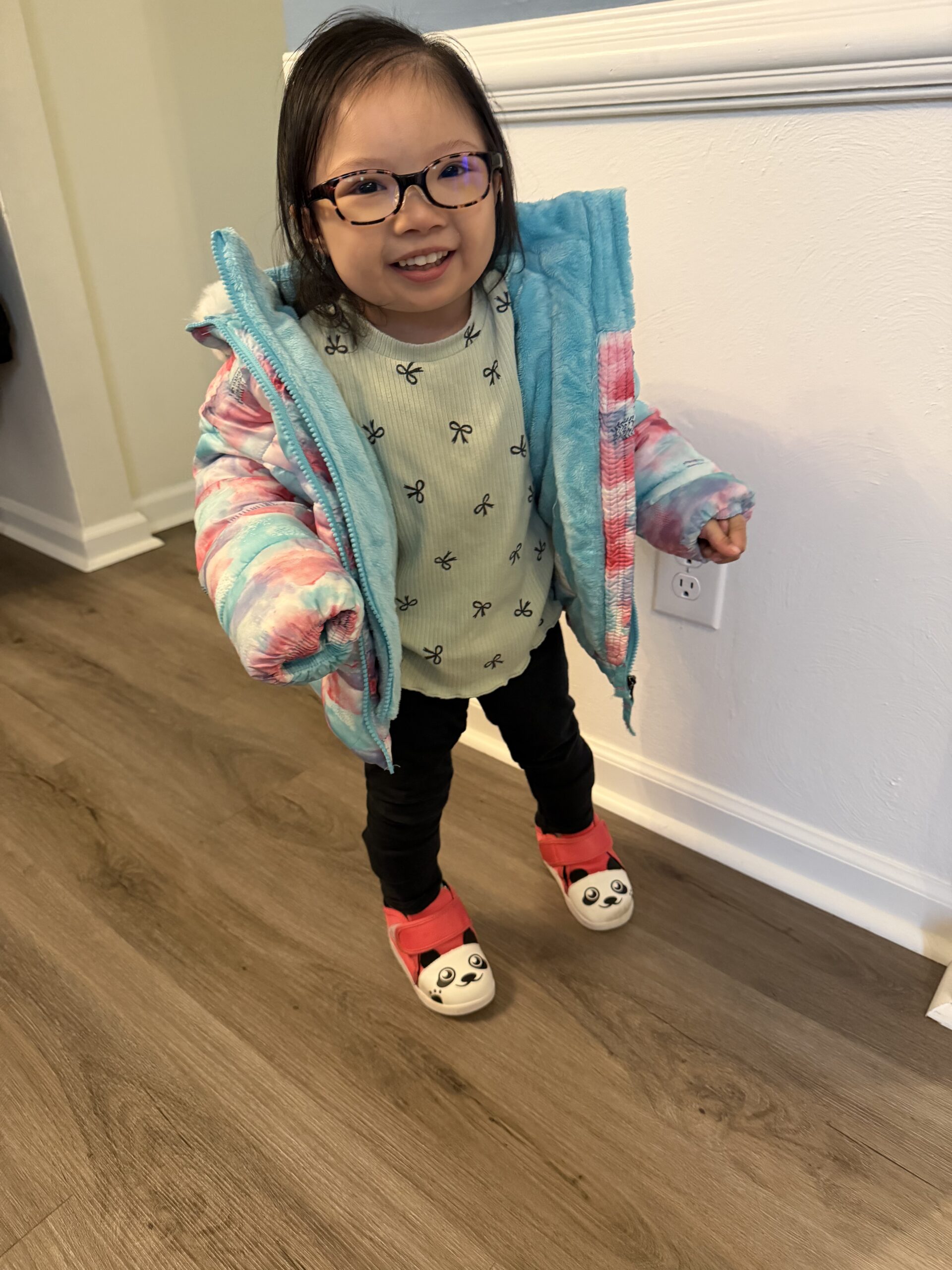
Three years in, Aliana is walking with support, working toward speech, and, according to her mom, bouncing along to every song she hears in church. Her story is one more example of why SOFT continues to say that every child with a trisomy diagnosis deserves to be treated as an individual, not a statistic.
Trisomy 9 New & Expectant Parent Book
Diagnosis specific, family centered information for parents navigating a new Trisomy 9 diagnosis, including partial and mosaic forms.
Get the Book →For Medical Professionals
Resources for genetic counselors, neonatologists, and clinicians supporting families with a new Trisomy 13, Trisomy 18, or Trisomy 9 diagnosis.
Visit the Page →More Episodes
Hear more family stories and clinical conversations on the Talking Trisomy podcast.
Listen Now →



Recent Comments