
Talking Trisomy Podcast
Trisomy 18 vs Edwards Syndrome, Trisomy 13 vs Patau Syndrome: What's the Real Difference
SOFT co-founders Kris Holladay and Dr. John Carey explain why Trisomy 18 and Edwards syndrome, and Trisomy 13 and Patau syndrome, are not always interchangeable, and why the distinction matters for families and medical teams alike.
Listen to the full conversation
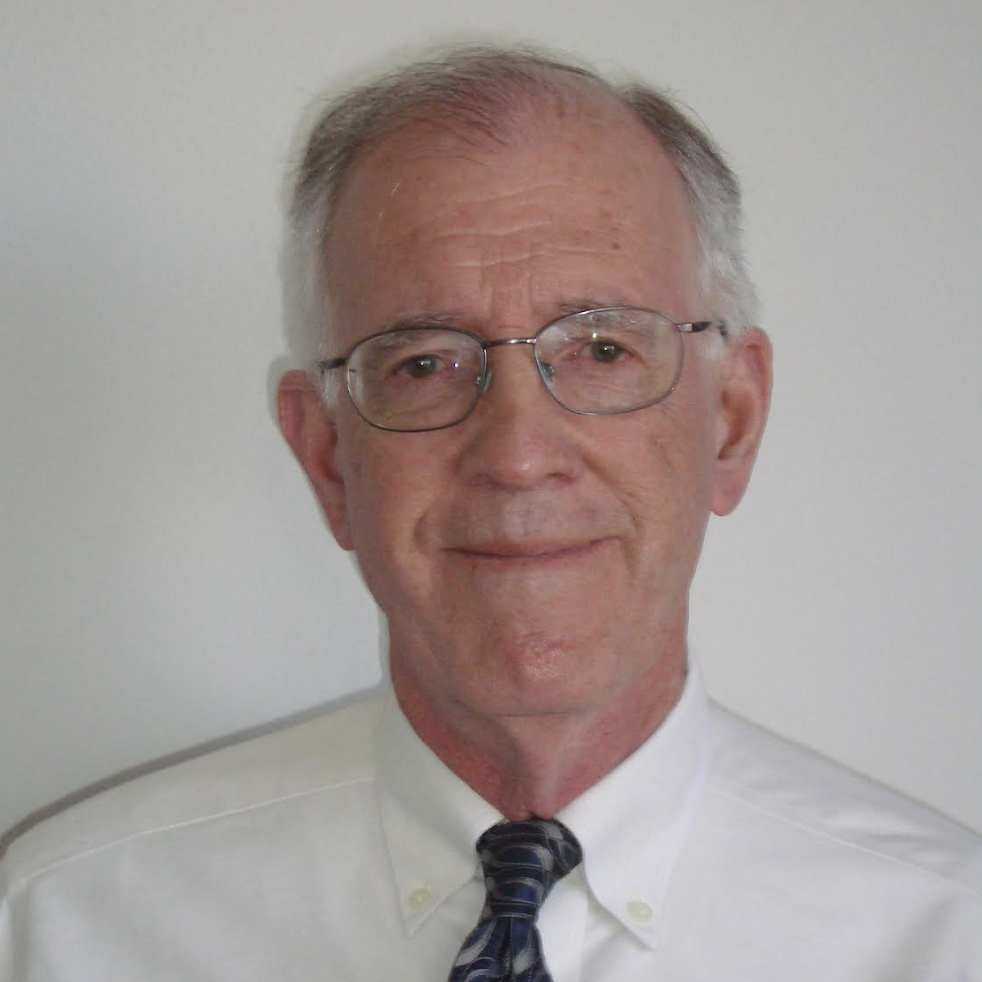
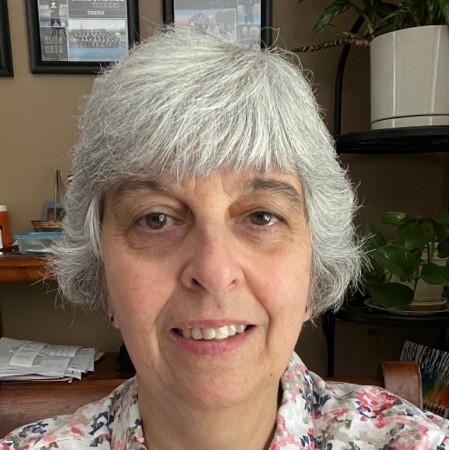
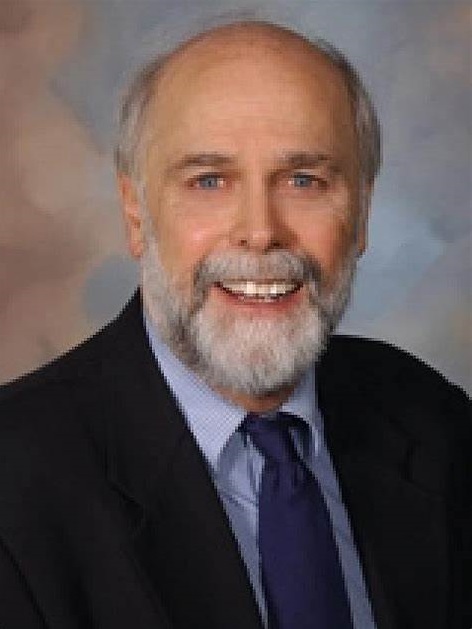
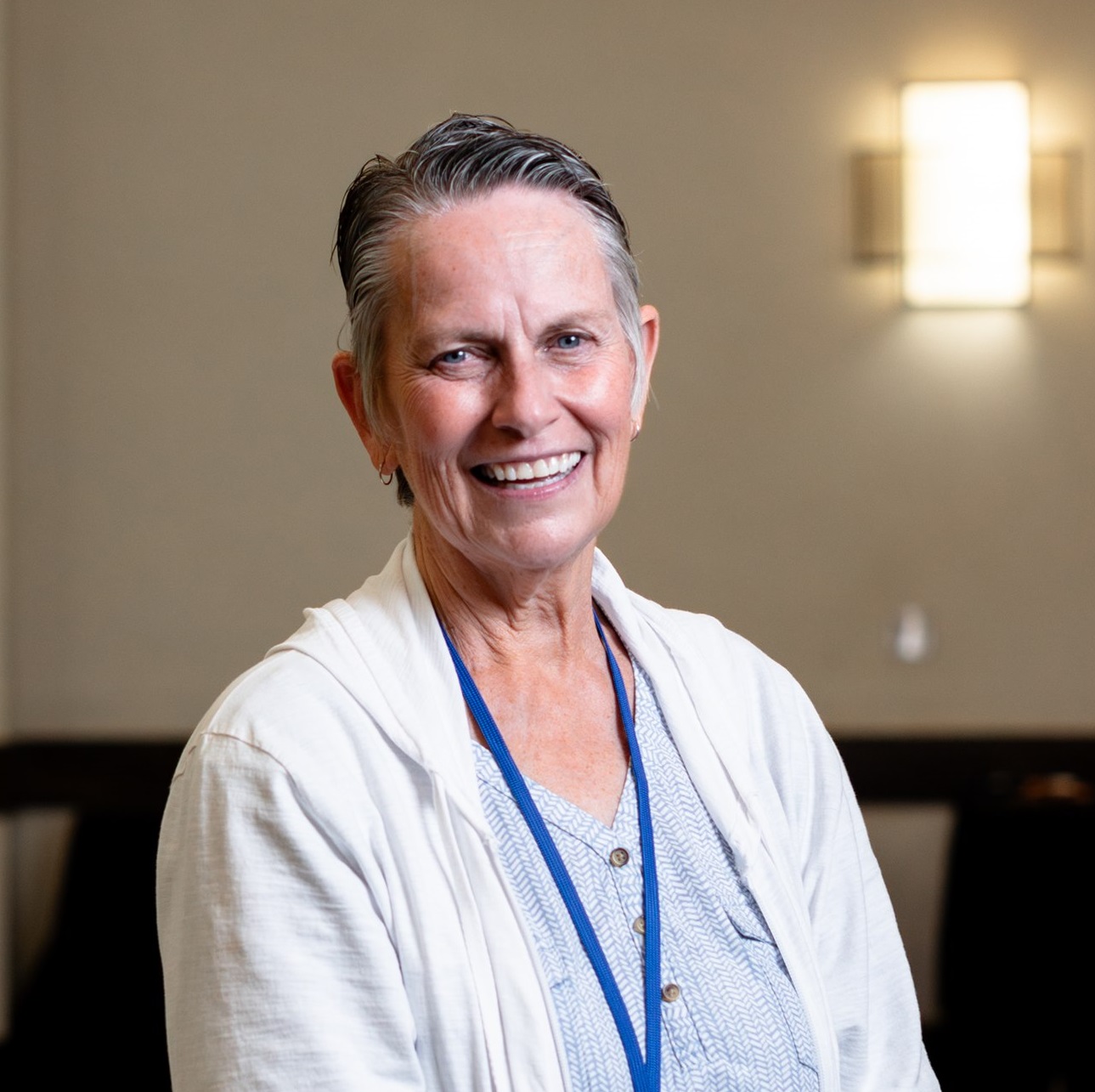
Most people use Trisomy 18 and Edwards syndrome interchangeably. Same for Trisomy 13 and Patau syndrome. In this episode of Talking Trisomy, host Nick Holladay sits down with two people uniquely positioned to explain why that is not quite accurate: Dr. John Carey, a founding medical professional of SOFT and one of the field's leading voices in trisomy genetics, and Kris Holladay, SOFT's founding parent, whose daughter Kari was born with Trisomy 18 in 1977.
The conversation started while a group of SOFT volunteers, including Kris, were finishing the Trisomy 18 New and Expectant Parent Book. They noticed the text sometimes said Trisomy 18 and sometimes said Edwards syndrome, seemingly at random. A call to Dr. Carey revealed there was an actual difference, one that after more than 40 years supporting families, Kris had never heard explained before.
Genotype vs Phenotype: Where the Confusion Starts
Dr. Carey breaks the distinction down into two words: genotype and phenotype. Trisomy 18 refers to the genotype, the genetic finding of an extra copy of chromosome 18 confirmed by a karyotype. Edwards syndrome refers to the phenotype, the specific pattern of physical traits and medical findings that Dr. John Edwards first described in 1960. The same distinction applies to Trisomy 13 and Patau syndrome.
Most of the time, the two terms line up. About 95 percent of people diagnosed with any type of Trisomy 18 have full, complete Trisomy 18, so calling it Edwards syndrome is usually accurate. But that leaves a meaningful gap. A child with partial Trisomy 18, where only part of the chromosome is extra, may not have Edwards syndrome at all, even though their genetic finding is still called Trisomy 18. The same is true for Trisomy 13 and Patau syndrome, and for the mosaic and partial forms of Trisomy 9 that many SOFT families navigate.
Why Mosaicism Makes This More Than Semantics
Dr. Carey shares real examples from decades of clinical practice. Some babies are born looking, on physical exam, like they have full Edwards syndrome, only for a chromosome study to later reveal mosaicism, a mix of typical and Trisomy 18 cells. Others are diagnosed with mosaic Trisomy 18 months or years later, after developmental delays prompt genetic testing, with no physical signs anyone would have associated with Trisomy 18 at birth.
This is not just an academic distinction. Dr. Carey notes that a mosaicism finding can influence prognosis for both development and survival, and in some cases, has influenced whether doctors recommended surgical intervention for a newborn. Getting the terminology right, and understanding what a diagnosis does and does not tell you, has real consequences for how a child is treated.
Why Every Child Is Different
A child with only part of chromosome 13 duplicated may have an extra finger or toe, a feature associated with Patau syndrome, without having the full syndrome itself. Dr. Carey's point: the genetic label should never stand in for looking at the individual child in front of you.
Where the Names Actually Came From
Dr. Carey walks through the history. John Edwards published the first description of Edwards syndrome in 1960 after examining a baby near Oxford University, then confirmed the extra chromosome finding with cell biologists who had just learned to identify Down syndrome's extra chromosome 21 the year before. Patau syndrome traces back to Dr. Klaus Patau, a cell biologist who left Germany before the Nazi regime, and Dr. David Smith, considered the father of dysmorphology, who together documented the first child known to have both Trisomy 13 and Trisomy 18.
Dr. Carey also shares the almost accidental way the names became attached to individual doctors rather than research teams, a naming pattern common throughout the history of genetic medicine before genotype based naming, like today's gene plus phenotype conventions, became standard practice.
Meeting Dr. Edwards
Kris shares a SOFT history moment: in 1990, Dr. John Edwards and his wife attended the SOFT conference in St. Louis, where he met dozens of children and families living with the condition that carried his name, and personally released the conference's traditional balloon bouquet honoring children with Trisomy 18, 13, and related disorders.
Balanced Information, Not Just Hopeful Information
The conversation closes on a theme central to SOFT's mission. Dr. Carey explains that when the Trisomy 18 book's photos were being selected, he intentionally asked for only full Trisomy 18 pictures, since most families receiving a prenatal diagnosis are dealing with the full form and deserve accurate, balanced expectations rather than the outlier cases skewing what they should anticipate.
Kris pushes back gently on a longstanding criticism that SOFT has sometimes been seen as overly hopeful. Her answer: SOFT does not offer hope, it offers accurate information, and lets families interpret that information according to their own values.
Both Kris and Dr. Carey point to resources like the Trisomy Care Collaborative at Lurie Children's Hospital as a model for what balanced information can look like in practice, medical realities presented alongside a clear picture of what these children can do, not just the challenges they may face.
New & Expectant Parent Books
Diagnosis specific, family centered guides for Trisomy 18, Trisomy 13, and Trisomy 9, available in English and Spanish.
Get the Books →For Medical Professionals
Resources for genetic counselors, neonatologists, and clinicians supporting families with a new trisomy diagnosis.
Visit the Page →More Episodes
Hear more family stories and clinical conversations on the Talking Trisomy podcast.
Listen Now →

Recent Comments