
Raising Ivy: Life with Trisomy 9 Mosaic
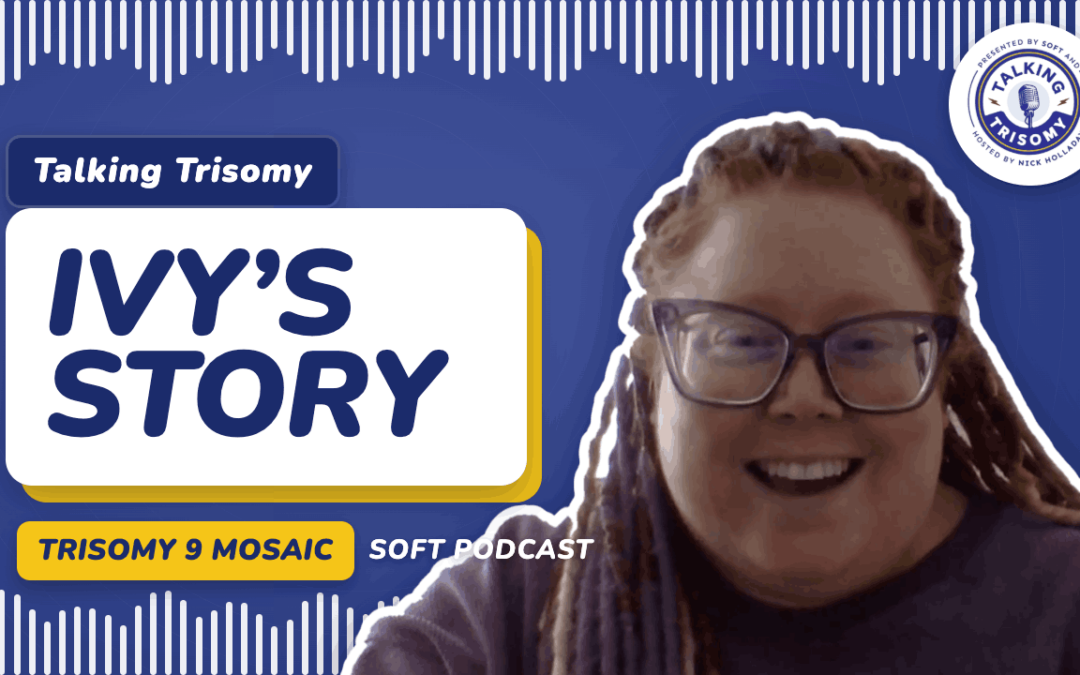
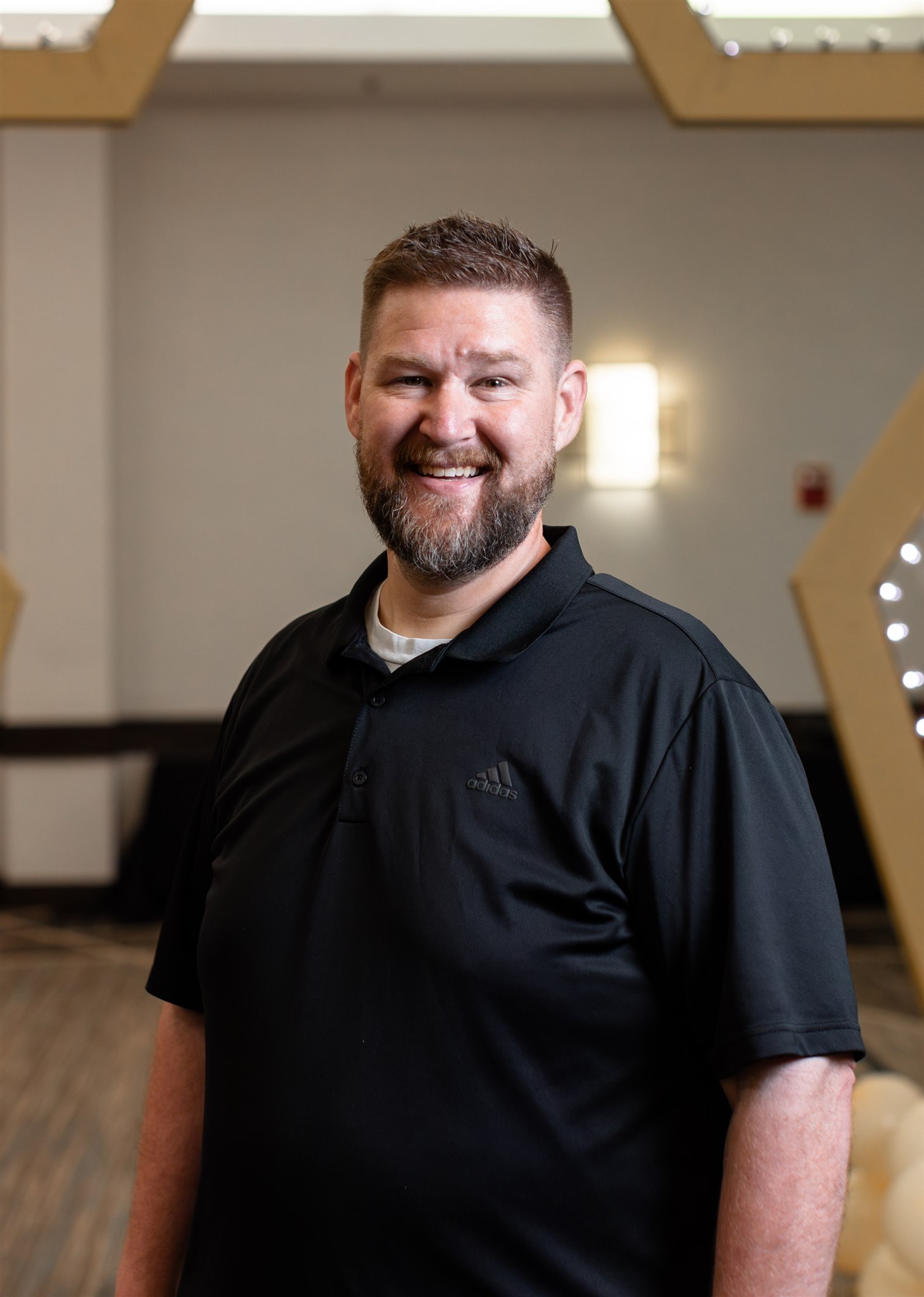
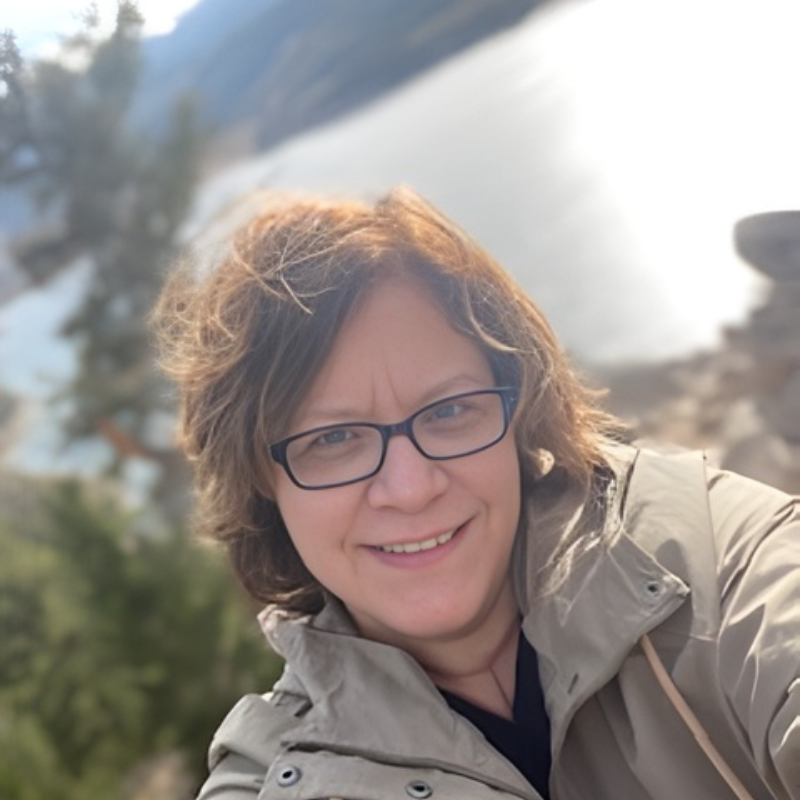
Renee Case adopted her daughter Ivy at three months old, knowing only three things: Ivy had Trisomy 9 Mosaic (T9M), bilateral dislocated hips, and a G-tube. Eight years later, Renee sits down with SOFT President Nick Holladay to tell the full story.
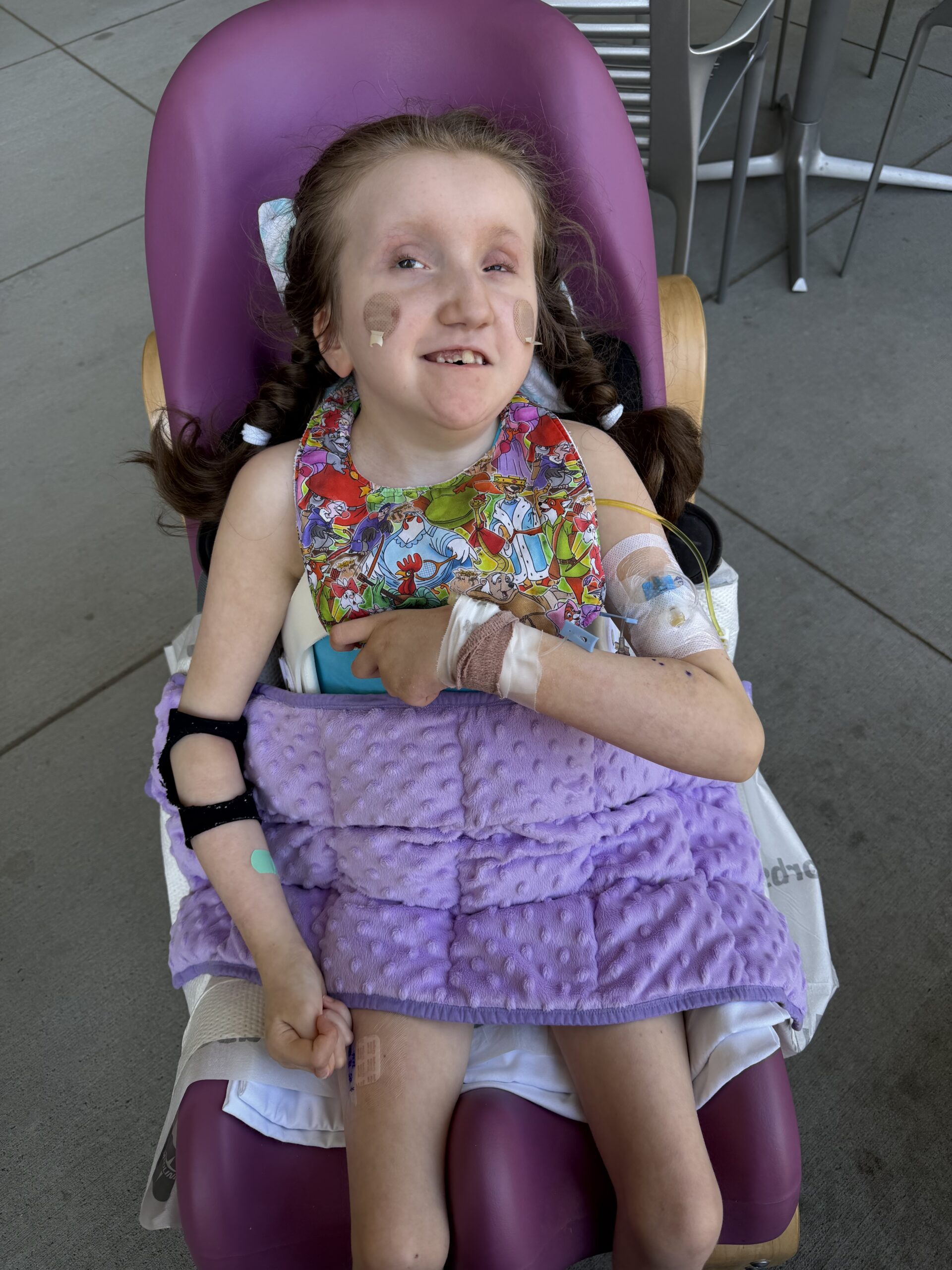
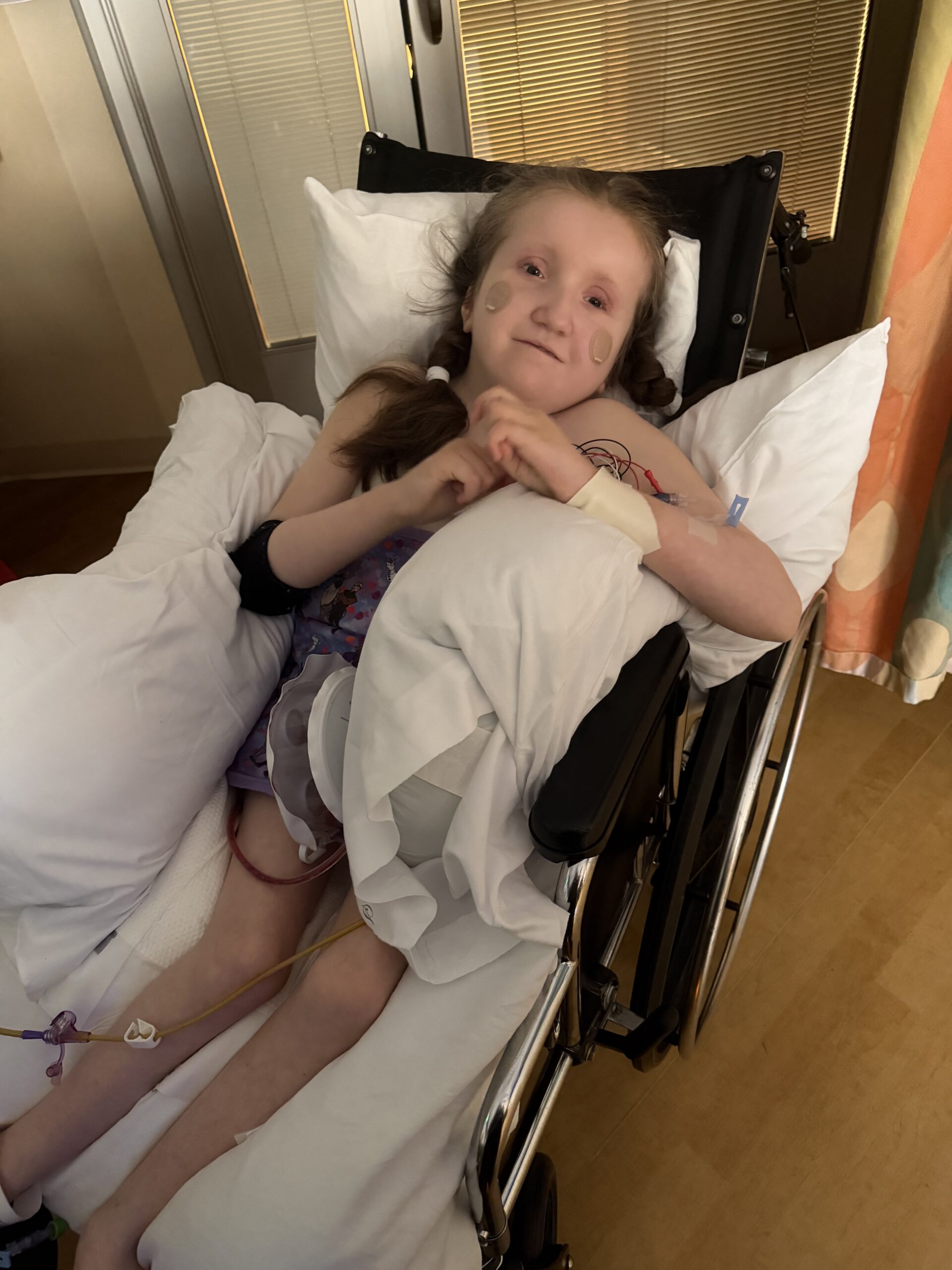
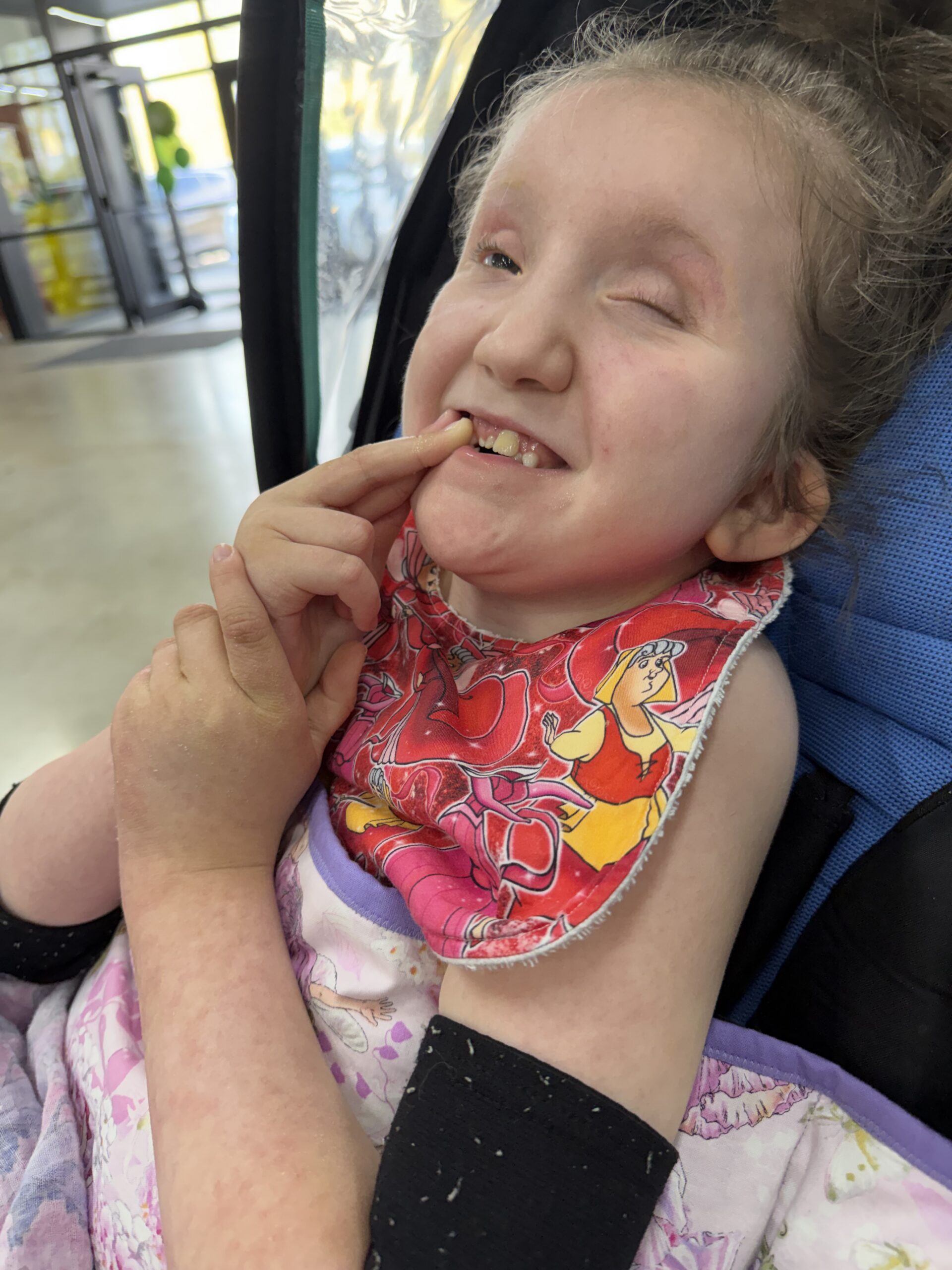
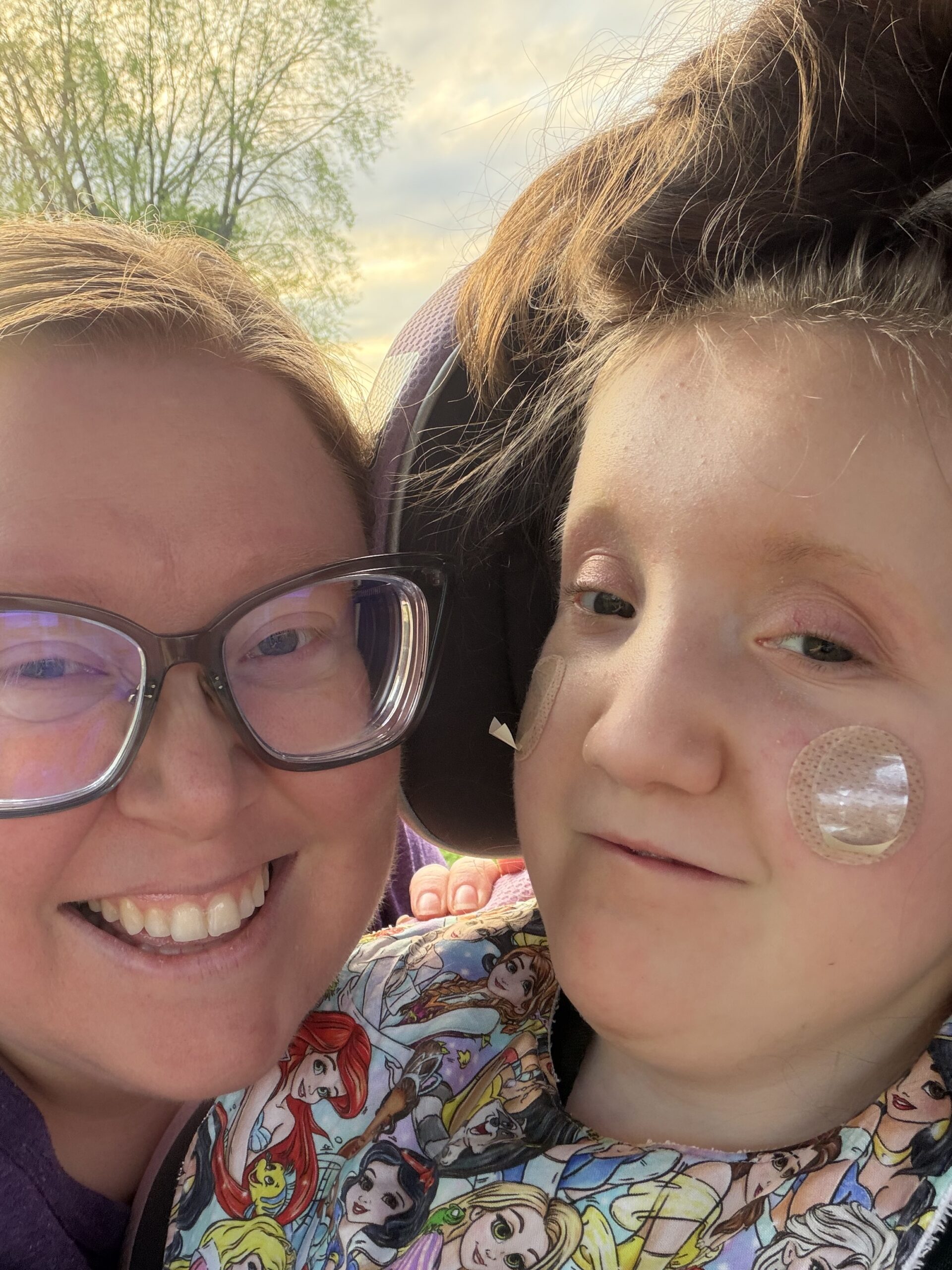
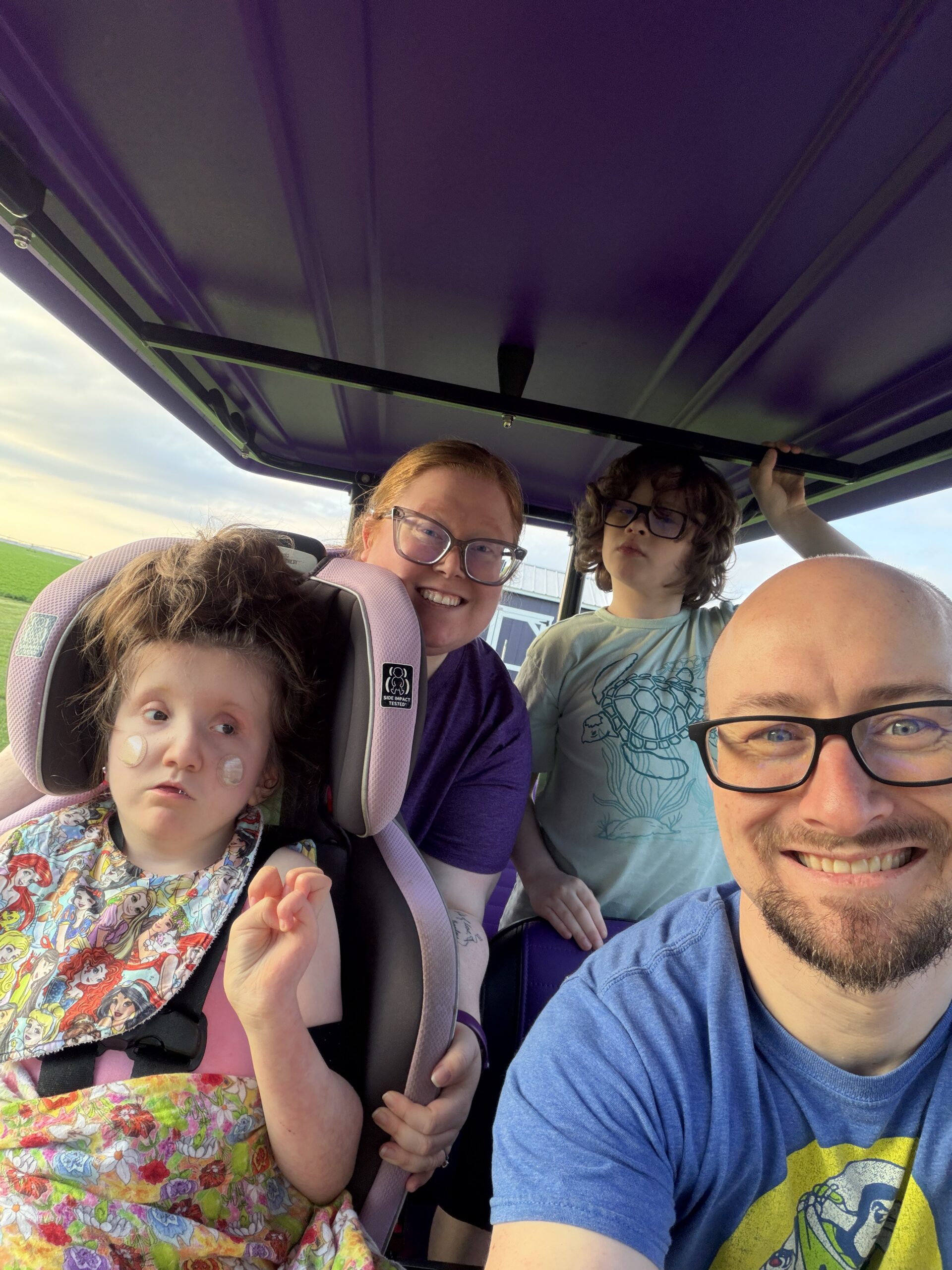
Trisomy 9 is a rare chromosome disorder in which there are three copies of chromosome 9 instead of two. In Trisomy 9 Mosaic (T9M), the extra chromosome is not present in every cell. Only certain cells carry it, which means the condition affects each child differently. Common areas of impact include the brain, heart, lungs, and kidneys. Some children with T9M are ambulatory and communicate verbally. Others, like Ivy, have more significant needs and require full-time care.
Renee and her husband Josh already had one medically complex child when Ivy entered their lives. Their son Jacoby, who has a rare chromosome 16 microdeletion syndrome, fetal alcohol syndrome, and autism, had prepared them for the reality of complex care in ways most families never experience. When an adoption agency reached out about a five-week-old baby in Texas with an incomplete diagnosis and significant medical needs, they did not hesitate.
The Adoption Story
Ivy was born on May 4th in San Antonio. Her birth mother had no prenatal care, and it was not until Ivy's birth that doctors noticed characteristic features that prompted genetic testing. At five weeks old, Ivy was placed in an adoption pool. Renee and Josh had 48 hours to decide if they wanted to pursue her.
They said yes. They flew to Texas, received custody, and spent two weeks in San Antonio waiting on interstate paperwork before they could bring Ivy home. A church connection found them a host family, and the host family's wife happened to be a nurse at the very hospital where Ivy was born. Renee calls it a God thing.
They had no training on how to manage a feeding tube. They learned on the fly. Ivy came home to northern Indiana, to a house Renee and Josh later rebuilt from the ground up to be fully wheelchair accessible.
Understanding Trisomy 9 Mosaic
In the episode, Renee explains T9M in plain terms for families who may be hearing the diagnosis for the first time. Full Trisomy 9 means every cell in the body carries the extra chromosome. In Trisomy 9 Mosaic, only some do. When genetic testing is done, parents often receive a mosaicism percentage, like 50 percent or 67 percent affected.
Renee knows a child who is 67 percent affected and is ambulatory, eats by mouth, and uses a communication device with relative ease. Ivy is 50 percent affected and is on the more severe end. The number tells only part of the story. What it cannot tell you is who your child will be.
Daily Life with Ivy
Ivy is eight years old and requires full care. She cannot sit, stand, or walk independently, and she cannot dress, feed, or bathe herself. She sleeps in a crib, wears oxygen at night, eats via feeding tube through the night, and wears a pulse oximetry sensor. Each morning begins with disconnecting equipment and transferring her to her custom Special Tomato sitter, the chair she spends most of her day in.
She goes where the family goes. If Renee is doing laundry, Ivy is in the laundry room. If Renee is cutting hair at her home salon, Ivy is there too. She does not like to be alone. She wants the action.
For the last year and a half, the family has focused their therapeutic energy on speech and feeding. Ivy uses an eye gaze device, a tablet mounted with a bar that tracks her eye movement so she can make selections on screen. Every Friday at feeding therapy, two food options appear on the device. Ivy picks one. Then her therapist feeds it to her.
Right now, those options are pickles or apple blueberry puree. She usually picks pickles.
Spinal Surgeries and Medical Complexity
Many children with Trisomy 9 Mosaic develop scoliosis, kyphosis, or both. Ivy has both. At age four, Renee and Josh decided it was time to pursue surgery. They found Dr. Tanner Guillaume at Gillette Children's Hospital in Minnesota, a specialist who has taken on Trisomy 9 kids and is regarded as an expert in this specific population.
Ivy has now had multiple spinal surgeries. She had rods placed in her back, a neck fusion, and a tethered spinal cord clipped. After one surgery, rapid weight loss caused her rod to become exposed through the skin, requiring an emergency revision. Kidney stones complicated her recovery. Respiratory illness has become a yearly challenge.
Ivy's next surgery is scheduled for May.
DNRs, Palliative Care, and Hard Conversations
When Ivy was six, a sleep specialist told Renee and Josh that it would not be a bad idea to get DNRs in place. Not because Ivy was dying, but because families who have those conversations early are better able to focus on living when the time actually comes.
Renee sat with that recommendation for a long four-and-a-half-hour drive home. Eventually, she acted on it. Ivy now has cardiac DNRs filed in five states. Palliative care is on board. The end of life paperwork sat in Renee's email, unopened, for nine months before she could bring herself to print it.
Renee speaks about this openly because she believes other families with medically complex children need permission to have this conversation. It is hard. It is one of the hardest things a parent can do. And she says doing it early is an act of love.
What Ivy Has Taught Her Family
Ivy does not know life any other way. She wakes up happy. She laughs at Disney movies. She picks pickles. She is in Disney World in her mind every single day.
Renee has stopped setting timelines. She has stopped chasing milestones that may or may not come. What she focuses on is keeping Ivy happy, comfortable, and present. When Ivy laughs, Renee knows she is not in pain.
Key Advice from Renee for T9M Families
- Do not fixate on the mosaicism percentage from genetic testing. It only reflects the cells sampled, not the whole picture.
- Stop putting timelines on your child. They will do things on their own schedule, or they won't, and either is okay.
- Have the hard conversations with your care team early. Palliative care is not giving up. It is planning.
- Find your community. Facebook groups, SOFT membership, and peer connections make the hard days survivable.
- Let your child show you what they need. Ivy made clear when therapy was too much. Listen.
- Focus on joy. When Ivy is happy, everything else settles.
Advocacy Beyond Home
In addition to caring for Ivy and homeschooling Jacoby, Renee has spent the last two years working with a grassroots advocacy group made up of mothers of medically complex children across Indiana. Indiana's family services system has gaps that put children like Ivy at risk, and Renee is working to close them.
She is also a connector. When friends reach out asking if she can talk to a family who just received a rare chromosome diagnosis, she always says yes. She did not have anyone to walk beside her family in the early days with Jacoby. She refuses to let other families feel that same isolation.
Renee calls it being a beacon. SOFT calls it exactly what the community is built on.
Free Trisomy 9 Resource Guide
Download or request a free copy of the SOFT New and Expectant Parent Book for Trisomy 9. Available digitally at trisomy.org or in print through Amazon.
Connect with SOFT
SOFT (Support Organization for Trisomy 18, 13, and Related Disorders) has served families navigating Trisomy 18 (Edwards syndrome), Trisomy 13 (Patau syndrome), Trisomy 9, and related rare chromosome disorders since 1980. Our community includes nearly 4,000 registered member families across the country.
If you or someone you know has recently received a Trisomy 9 diagnosis, you do not have to figure it out alone. Peer support, educational resources, quarterly digital support meetings, and our annual conference are all available to you.






Recent Comments