
- How John and Scott met at UC Berkeley in 1975
- Cross country skiing in Lake Tahoe and a friendship that lasted 50 years
- Patrick Showalter, born February 1987 with Trisomy 18 (Edwards syndrome)
- Vivian finding John Carey's name on a SOFT pamphlet
- Scott as the on call physician at SOFT conferences for decades
- The 2012 bioethics conference and the landmark 2016 paper
- Shared decision making and how it changed trisomy care
- What Vivian heard on a radio show that still haunts her
- The starfish story and a movement that keeps growing
- Where these two families hope the trisomy community goes next
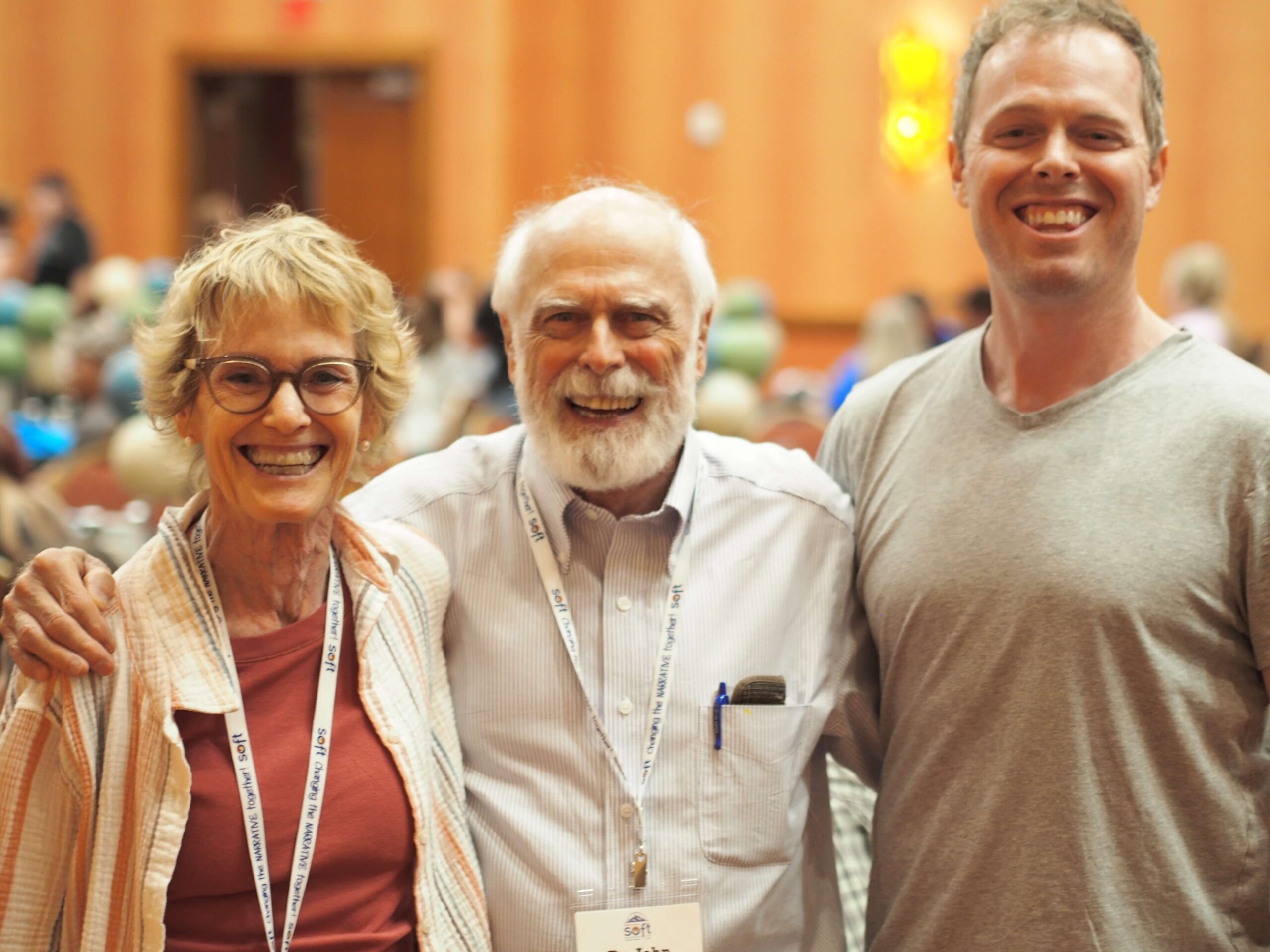
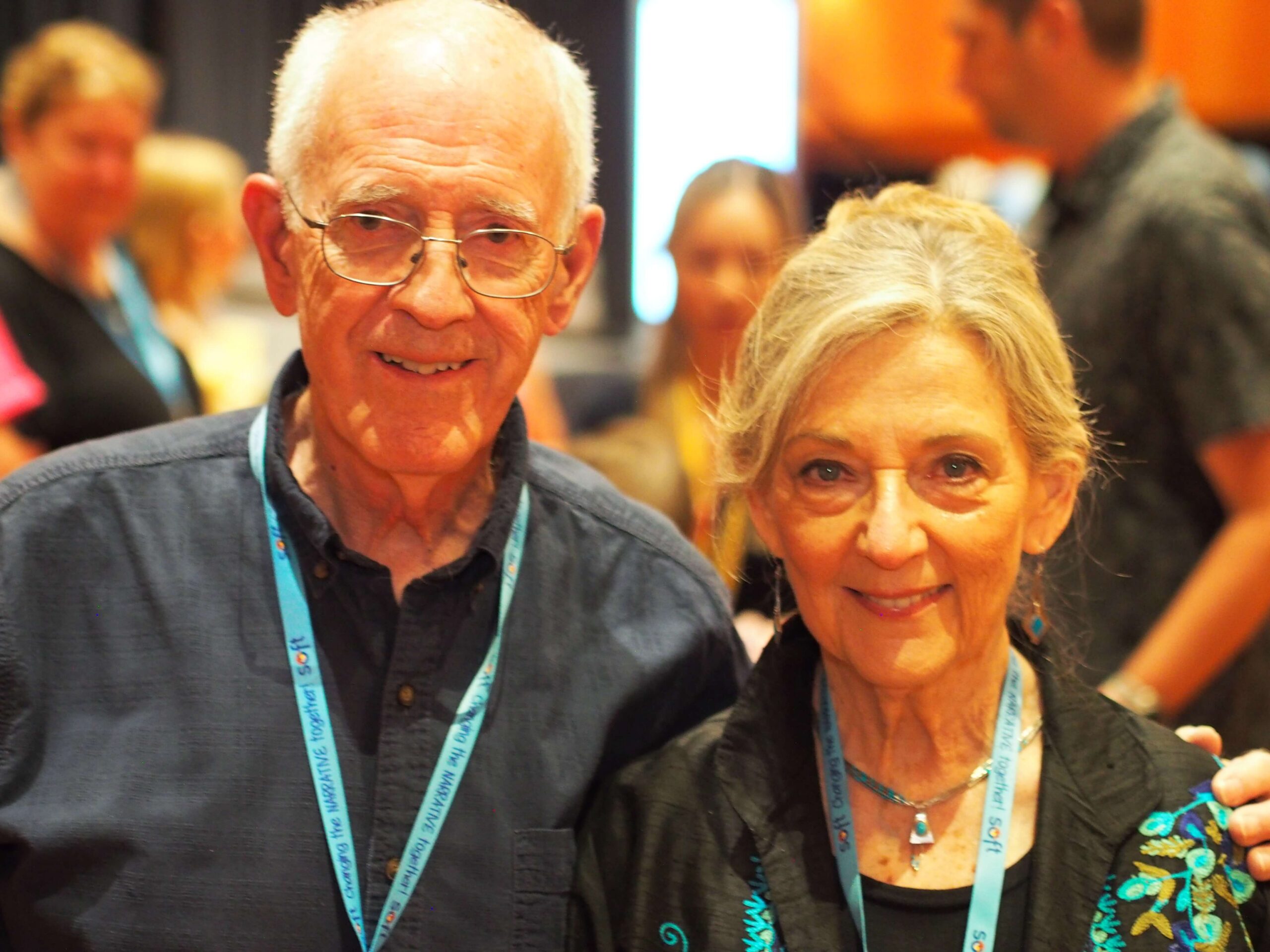
They Met on the Slopes of Lake Tahoe. They Had No Idea What Was Coming.
In September of 1975, two young men enrolled in a master of public health program at the University of California, Berkeley. One had just finished his pediatric residency at UCSF. The other had completed two years of residency in St. Louis and was figuring out what kind of medicine he wanted to practice. Within a few weeks they had clicked, and by October they were introducing their wives over dinner.
John Carey, who would go on to become one of the most important voices in trisomy care in the world, and Scott Showalter, a general pediatrician who would quietly serve the trisomy community for five decades, spent that year taking biostatistics and epidemiology together, riding the new BART trains from Berkeley into San Francisco, and cross country skiing in the mountains above Lake Tahoe. Leslie Carey and Vivian Showalter were along for all of it.
None of them had any idea where it was going.
"We probably weren't looking past the next year. Residency. Fellowship. Maybe we'll get a job. That kind of thing."
Dr. John Carey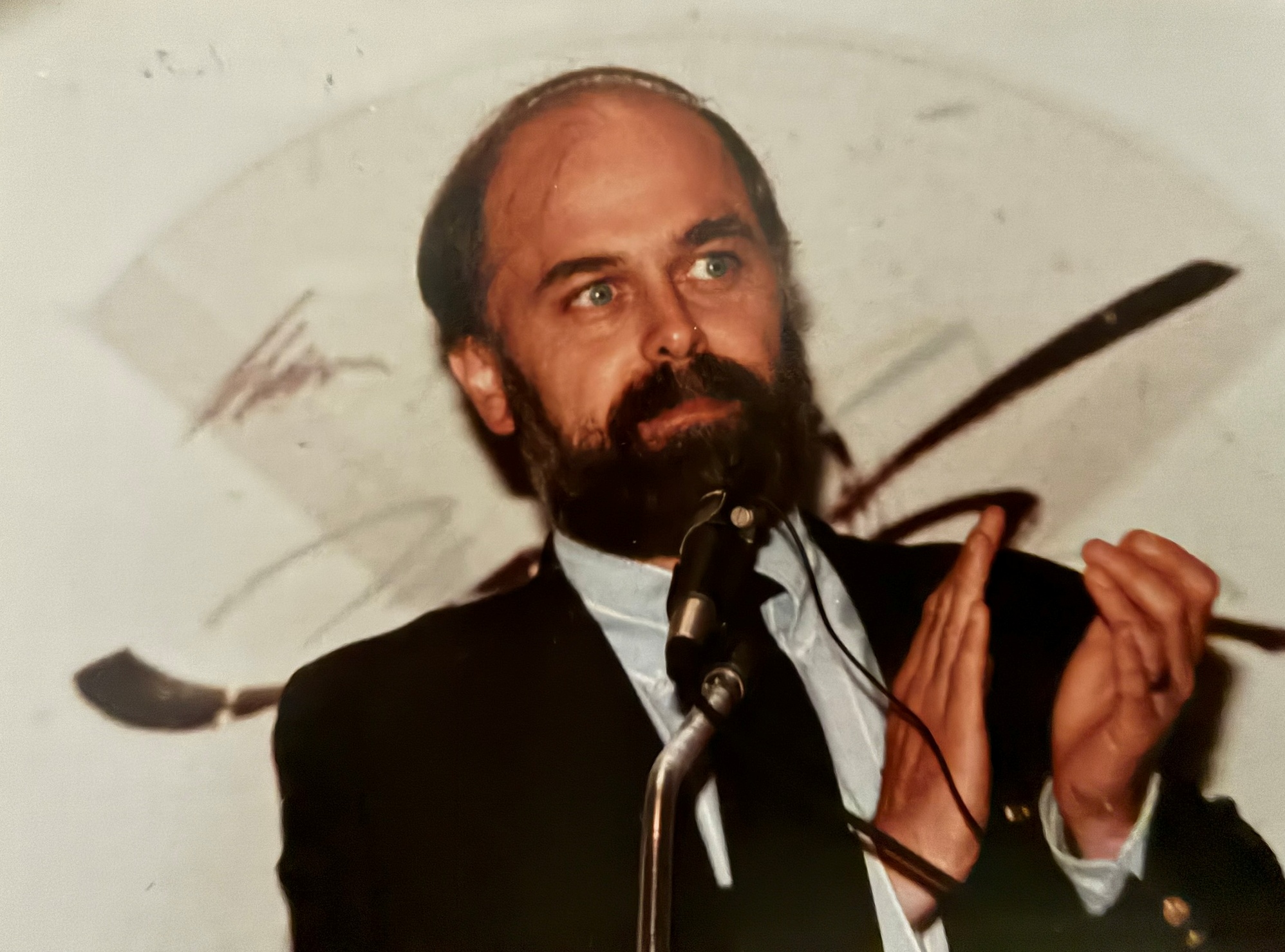
Two Cities, One Friendship
After their year at Berkeley, the two couples went in different directions. John began a genetics fellowship at UCSF in July of 1976, training in a field that was not yet even formally accredited. Scott finished his third year of pediatric residency in Denver through an ambulatory program, which is how the Showalters came to put down roots in Colorado.
The friendship could have faded the way friendships from graduate school often do. But in the early 1980s, Leslie Carey came to Denver for a nursing rotation as part of her nurse midwifery training. The Showalters were there. Their daughter Sarah had just been born.
"We got to spend time together. We went out to dinner. I think Sarah was a baby and you came and held her."
Vivian Showalter, to Leslie CareyJohn had moved the family to Salt Lake City in 1979, buying the house at the University of Utah where he still sits today and going camping while they waited for the furniture to arrive. The Showalters stayed in Denver. But that visit in the early eighties kept the connection alive.
Patrick. February 1987.
Scott and Vivian Showalter's son Patrick was born in February of 1987 with Trisomy 18 (Edwards syndrome). In the hospital, a genetic counselor came by Vivian's room with a small stack of papers. She was warm and thoughtful. She said there was not a lot of information but there was a little, and that at the bottom there was a reference to a small parent group. She suggested Vivian read it when she was ready.
About a week later at home, Vivian was going through the papers. She came to the last page. At the bottom it listed a parent advisor and a medical advisor.
The medical advisor was Dr. John Carey.
"I was lying on the bed and I came to find Scott. I said, look at this. Is that our John Carey? And he said, Vivian, how many pediatric geneticists named John Carey are there in Utah?"
Vivian ShowalterIt was their John Carey. Phone calls followed. And the Showalter family's connection to SOFT began.
The Radical Organization
Vivian wanted to call the number on the SOFT paper. But she had been warned. Someone had told her it was a radical organization, not worth getting involved with.
She called anyway. The person who answered was Kris Holladay.
"She said, Hello, how are you, what's your name? And we went into the story. From then on it was like, wow. SOFT was some papers in a box under Chris's bed. And look where it is now."
Vivian ShowalterPatrick lived two and a half months. When the first SOFT conference was announced just weeks later, Vivian's first thought was that there was no way she could do it. She had just lost her son. The emotional weight alone seemed impossible.
But something kept pulling her toward it. She pictured what the other children might look like. She wondered about the other parents. Before she knew it she had made up her mind. She told Scott she was going. He said she had just said she would never go. She said she knew. And then he said he was coming too, and they would bring their daughter Sarah.
The three of them went to that first conference. It has been a driving force ever since.
The Physician on Call at 3 a.m.
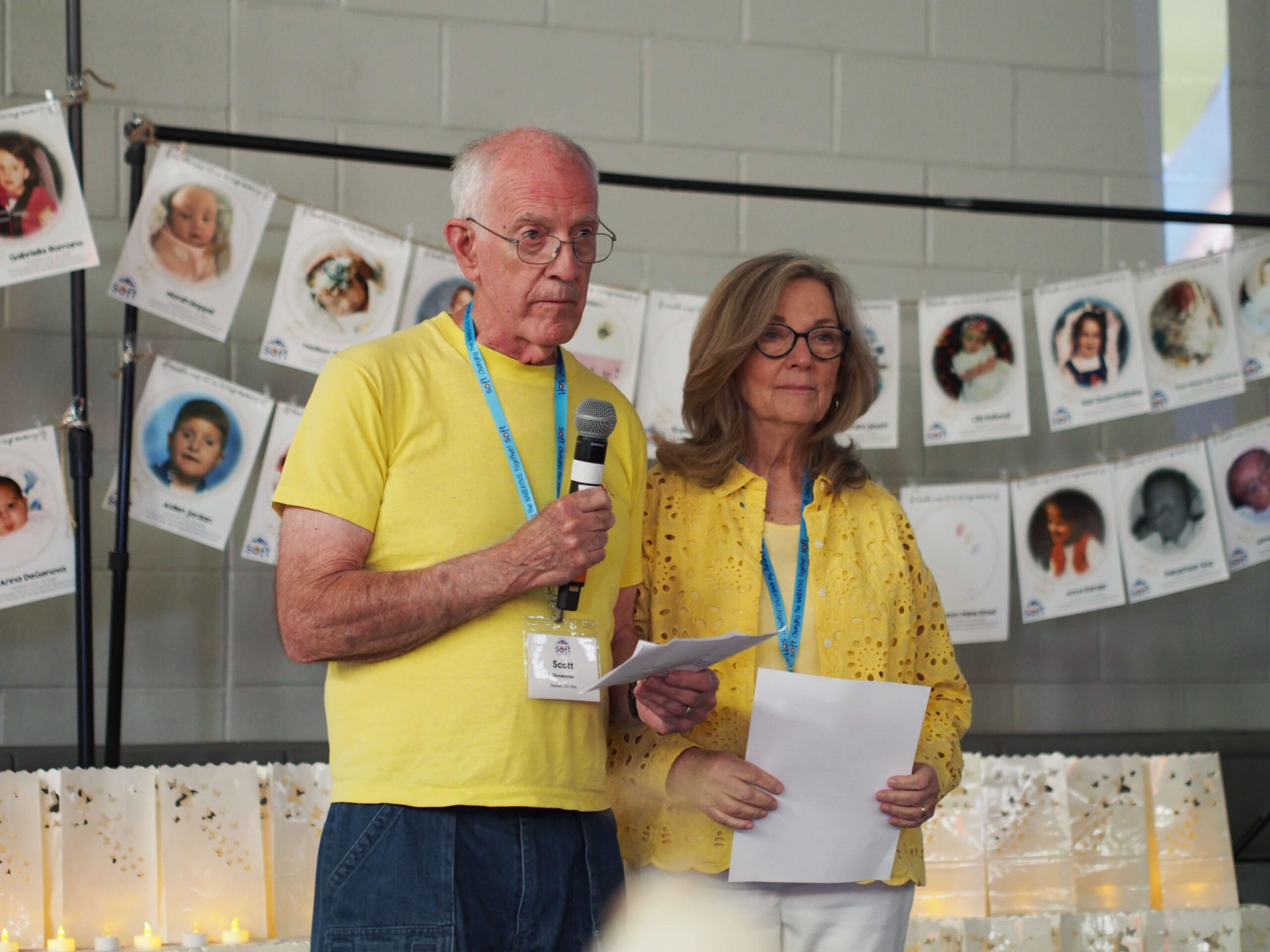
From essentially the first SOFT conference, Scott Showalter became the house physician. Not formally. Not with a title. Just a pediatrician who showed up, brought what he needed, and was available when families needed him most.
Before every conference he would call John with the same questions. Have they set things up with the nearby emergency room? Do they know we might be sending medically complex children their way? In Loveland in 2026, he spent hours lining up the hospital connections before the first family arrived.
He took calls at 3 a.m. He went with families to emergency rooms in the middle of the night. One evening a child needed to be transported home by ambulance, and Scott went with them for hours. While he was gone, another family had an unrelated emergency, knocked on Vivian's door, and asked if she could take their four-year-old daughter for the night. She said yes. The little girl crawled into bed with her. Everything worked out.
"I don't know if it was ever more than four or five children who actually had to be hospitalized during a conference over all those years. But when we were in the middle of those situations, it was really scary. We didn't want any baby to have serious problems. It was just a little intense at times."
Vivian ShowalterScott always deflects the credit. In this episode he says he feels like he does not even come close to Robin in the Batman and Robin metaphor when he compares himself to John. John pushes back immediately. Scott was always his first call. COVID protocols. High altitude guidelines for Salt Lake. Vaccine recommendations. Conference logistics. For all of it, Scott was the right hand.
The Paper That Changed Everything
In 2012, Scott Showalter helped organize a bioethics conference in Denver at the brand new Center for Bioethics and Humanities at University of Colorado. The room was designed in a circle so there was no head of the table. Peter Hulak, the neonatologist who had cared for Patrick twenty-five years earlier, was the chief organizer. John Carey came and stayed with the Showalters. SOFT helped fund it.
The conversations from that conference eventually became a paper. Vivian, the only non-medical person in the writing group, offered to step aside. The physicians told her no. They needed her voice. She would share something she thought was unremarkable and watch the doctors around the table say it was the most helpful thing they had heard.
The paper was published in September of 2016 in a special issue of the American Journal of Medical Genetics on Trisomy 18 and 13, which John Carey edited. Its title: Shared Decision Making and the Pathways Approach in the Prenatal and Postnatal Management of the Trisomy 13 and Trisomy 18 Syndromes.
"Shared decision making is now in nearly every paper's final conclusions and recommendations. I think I can say that the concept was first laid out in that paper."
Dr. John CareyIn 2016, the same year the paper was published, two landmark studies showed improved survival rates to six months, one year, and beyond for children with Trisomy 18 and Trisomy 13. The timing was not coincidental. The field was moving. And SOFT families had helped push it there.
What Makes a Life Worth Fighting For
Years before the bioethics conference, Vivian Showalter sat at a radio table with parents of premature babies and a physician who was interested in how families experienced the NICU. The other parents in the room had children who were fighting for their lives simply because they had been born too early. Their doctors were pushing hard. Their families sometimes wished the medical team would back off just a little.
Vivian was the only parent at the table whose child had a trisomy diagnosis. And as she listened, she realized something. Nobody had pushed for Patrick. Not in that way. The underlying message around his care had not been that he should die, but it also had not been that he should live.
She brought this up later at the ethics conference. She asked one of the physicians directly: what is the thing beneath the thing? What makes a child with trisomy not fought for in the way these other NICU babies were fought for?
A woman in the room was honest with her. It is about mental ability, she said. These children are not going to be contributing members of society in the way we think of it. So therefore.
"I appreciated her honesty so much. And I think I see that attitude changing all across the board. Of course not everywhere. But it is better than it used to be. And the understanding of what life and its meaning is all about, I did not have it until I had Patrick."
Vivian ShowalterThis is the work that is still unfinished. The medicine has improved. The studies are there. The survival data is real. But the attitude beneath the attitude, the assumption about which lives are worth the fight, is still present in some rooms. And it is why conversations like this one matter.
The Starfish and the Chain Reaction
Near the end of the conversation Scott Showalter shares a story he has been thinking about. After a storm, a young boy stands on a beach covered in thousands of stranded starfish and begins throwing them one by one back into the sea. A passerby tells him it will not make a difference. The boy throws another one in and says: made a difference for that one.
Scott pictures John Carey and Kris Holladay on that beach in 1979, the year SOFT was incorporated, throwing starfish. He looked up the story and found that one of the lessons it carries is that actions like that create a chain reaction. Before long there are a hundred people on the beach doing the same thing.
"Those papers were all in a box under Chris's bed. And look where it is now."
Vivian ShowalterThe Barnes. The Holladays. The VanHerreweghes. The Cantrell family and Steve bringing sunglasses to kids with light sensitivity. The Trisomy 9 families who built a community within a community. Mothers who drove two hours to speak to medical students. Fathers who gave up trucking routes. Siblings who just wanted their brother or sister at the football game.
The starfish on the beach now number in the thousands. And every one of them was thrown by someone who showed up.
What They Hope For Next
John Carey hopes for the day when the stigma around Trisomy 18 (Edwards syndrome) and Trisomy 13 (Patau syndrome) is simply gone. Not managed. Not improved. Gone. Where the challenges facing families are the medical complexities of the conditions themselves, not an attitude about whether those conditions deserve care.
Scott echoes that and adds something specific. He recently heard Dr. Natasha Henner make the point that when physicians talk to families about a trisomy diagnosis, they too often lead with what the child will not be able to do. He wants that to change. Start with what the child may be able to do. Start with the value of the life being discussed, not just the limitations of the condition.
Both couples are clear that the community has come a long way. They are also clear that there is still real work ahead. And they are still here to do it.
"Chills run up my spine on a regular basis now when someone is genuinely interested in topics that I have been interested in for forty years."
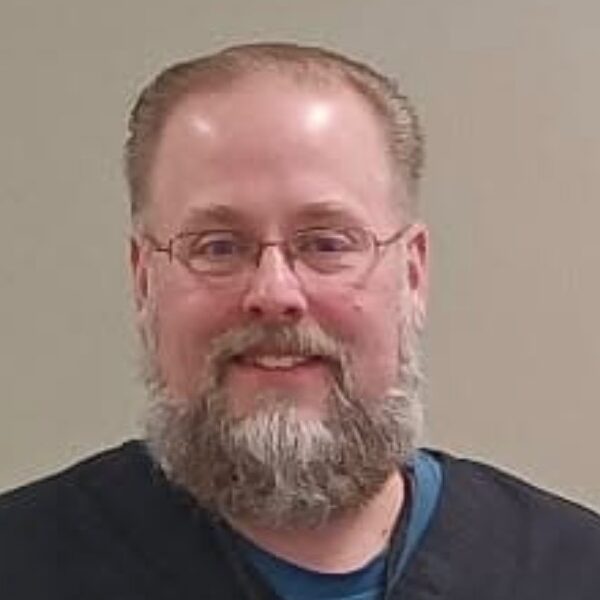
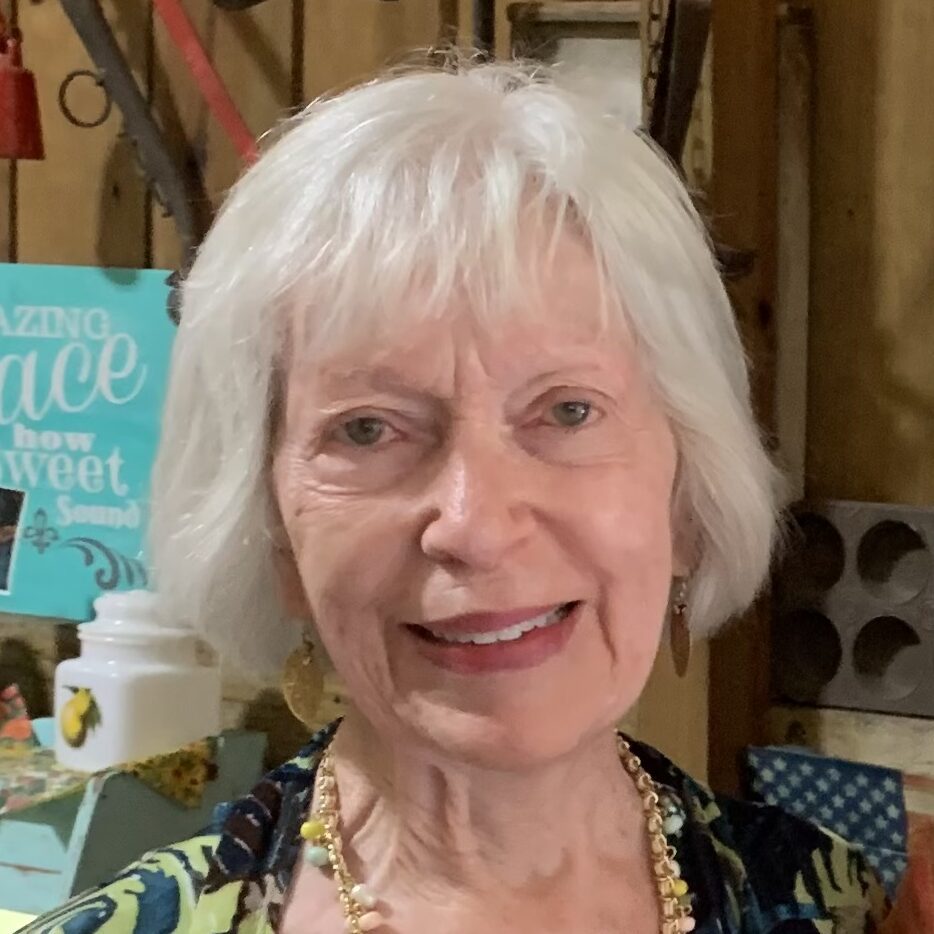
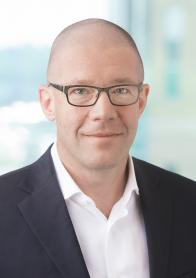
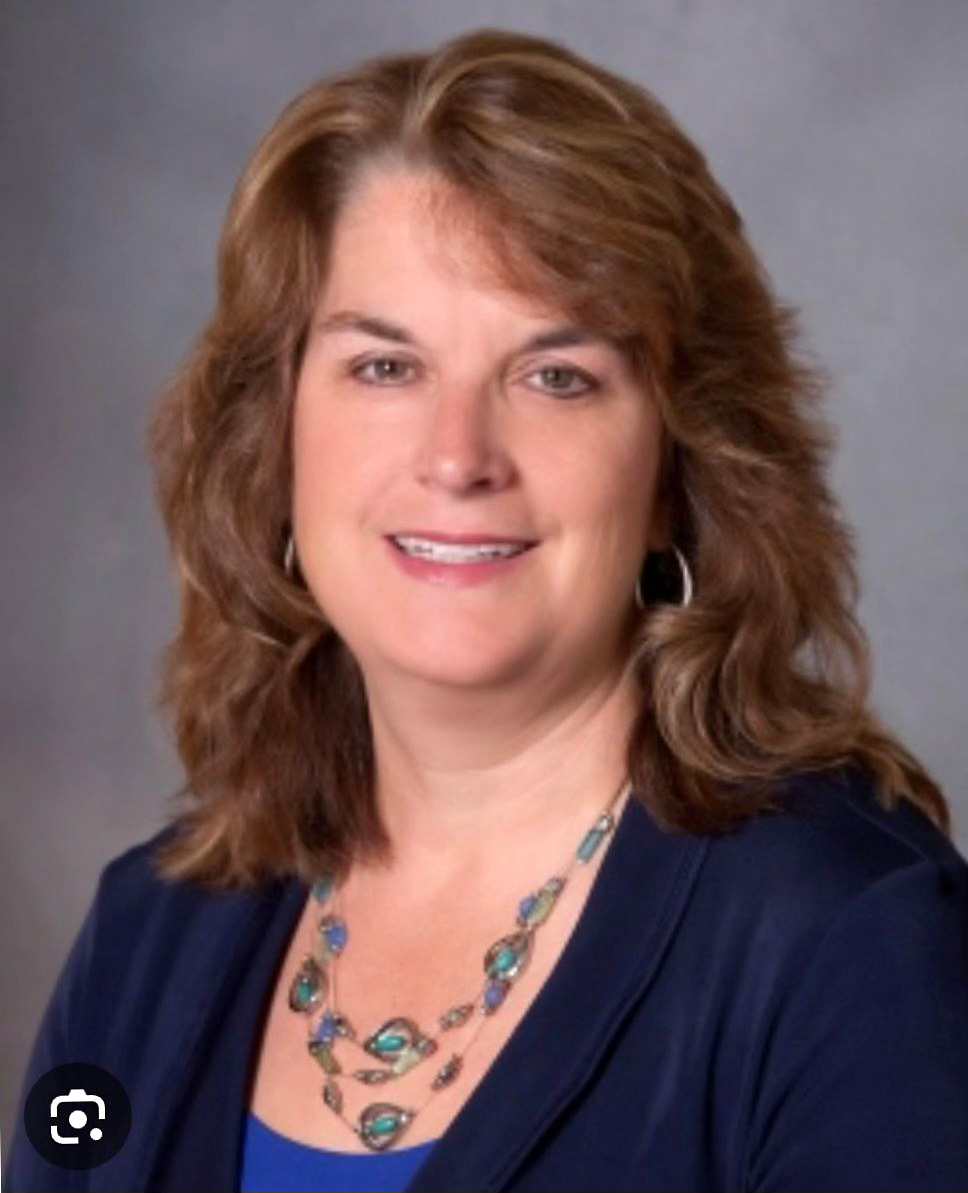
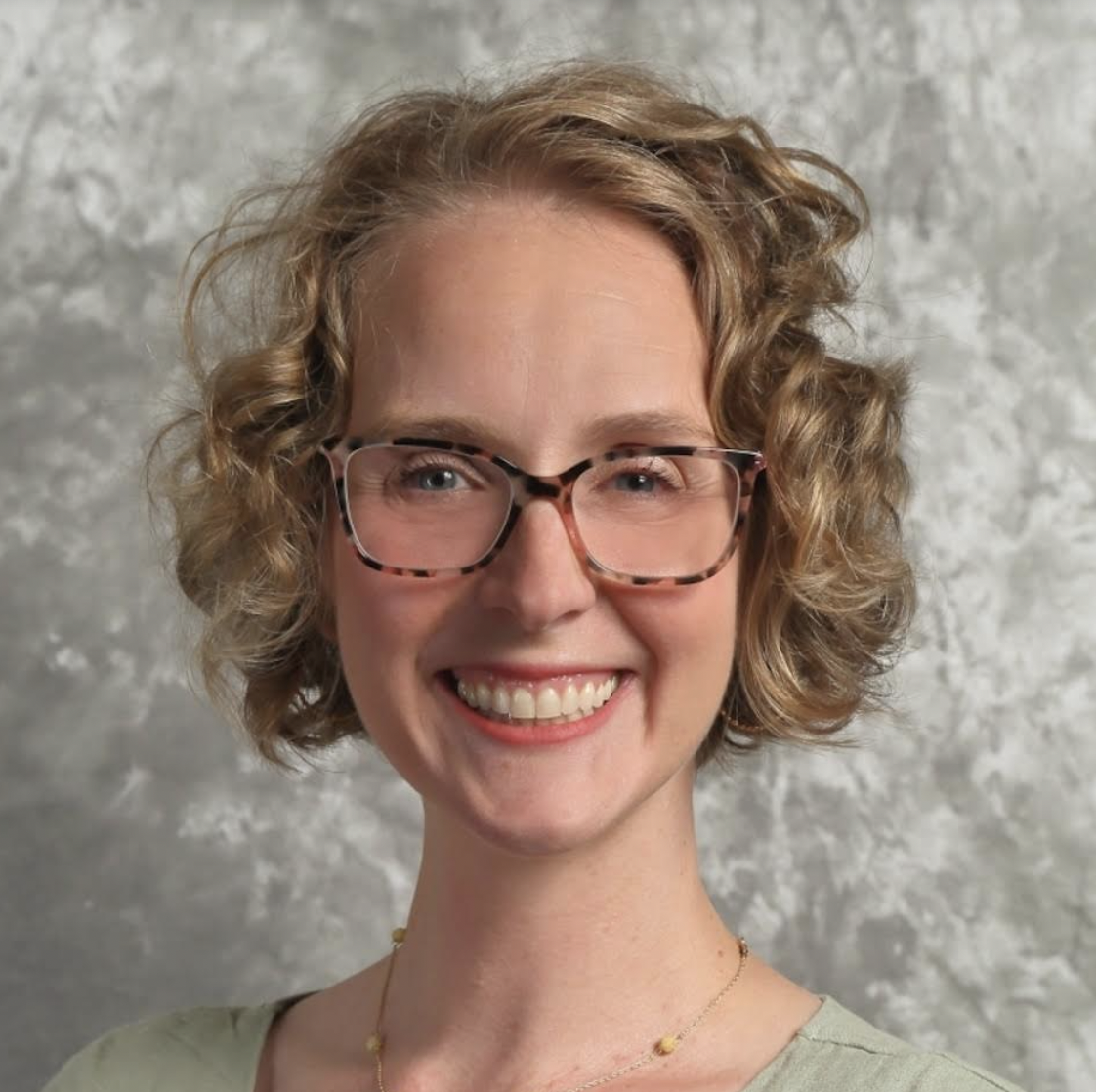
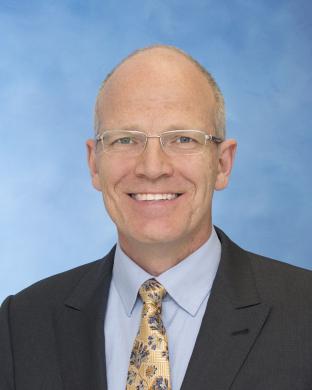
Dr. John CareyDr. John Carey and Leslie Carey
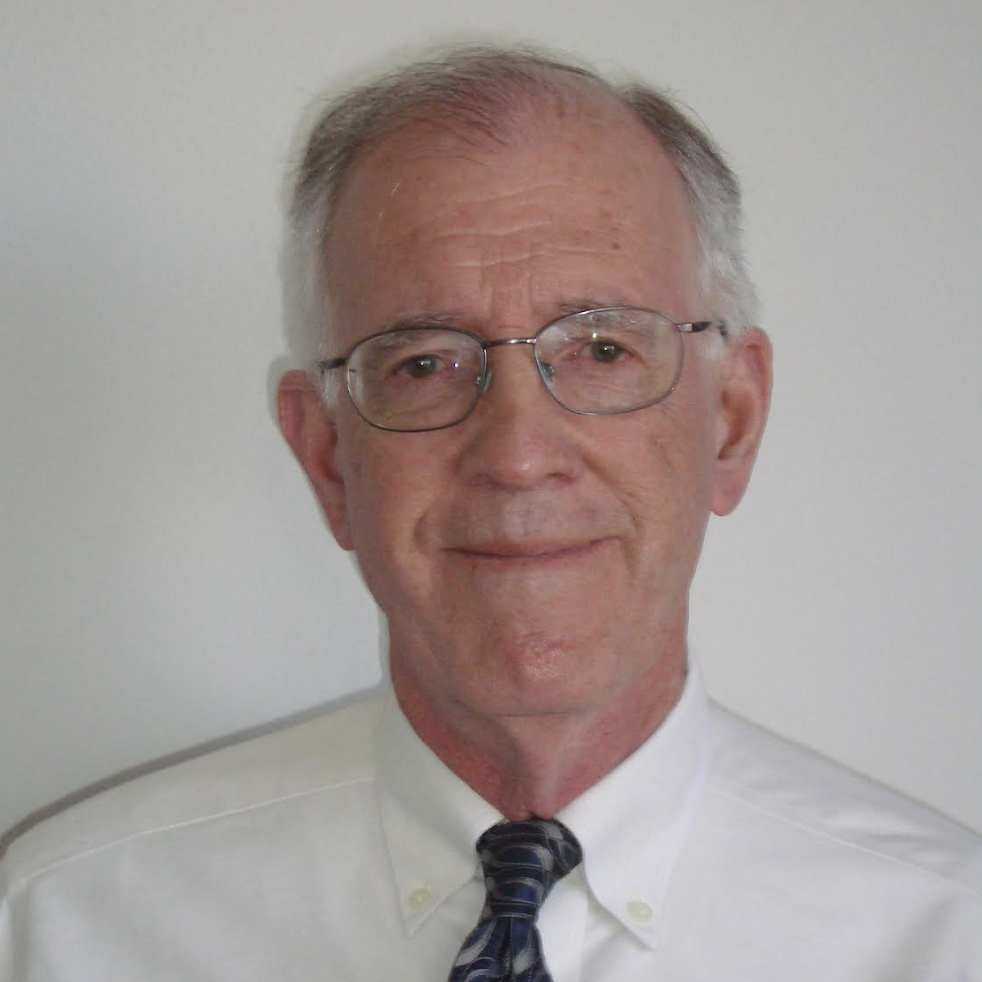
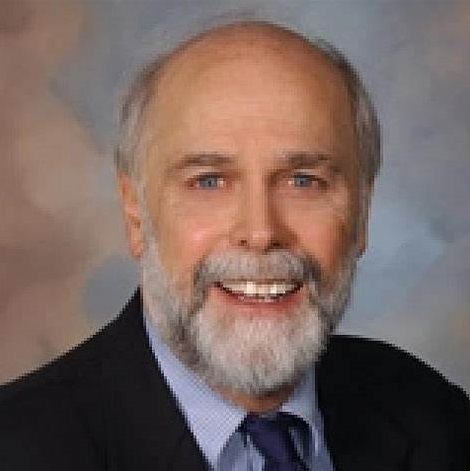
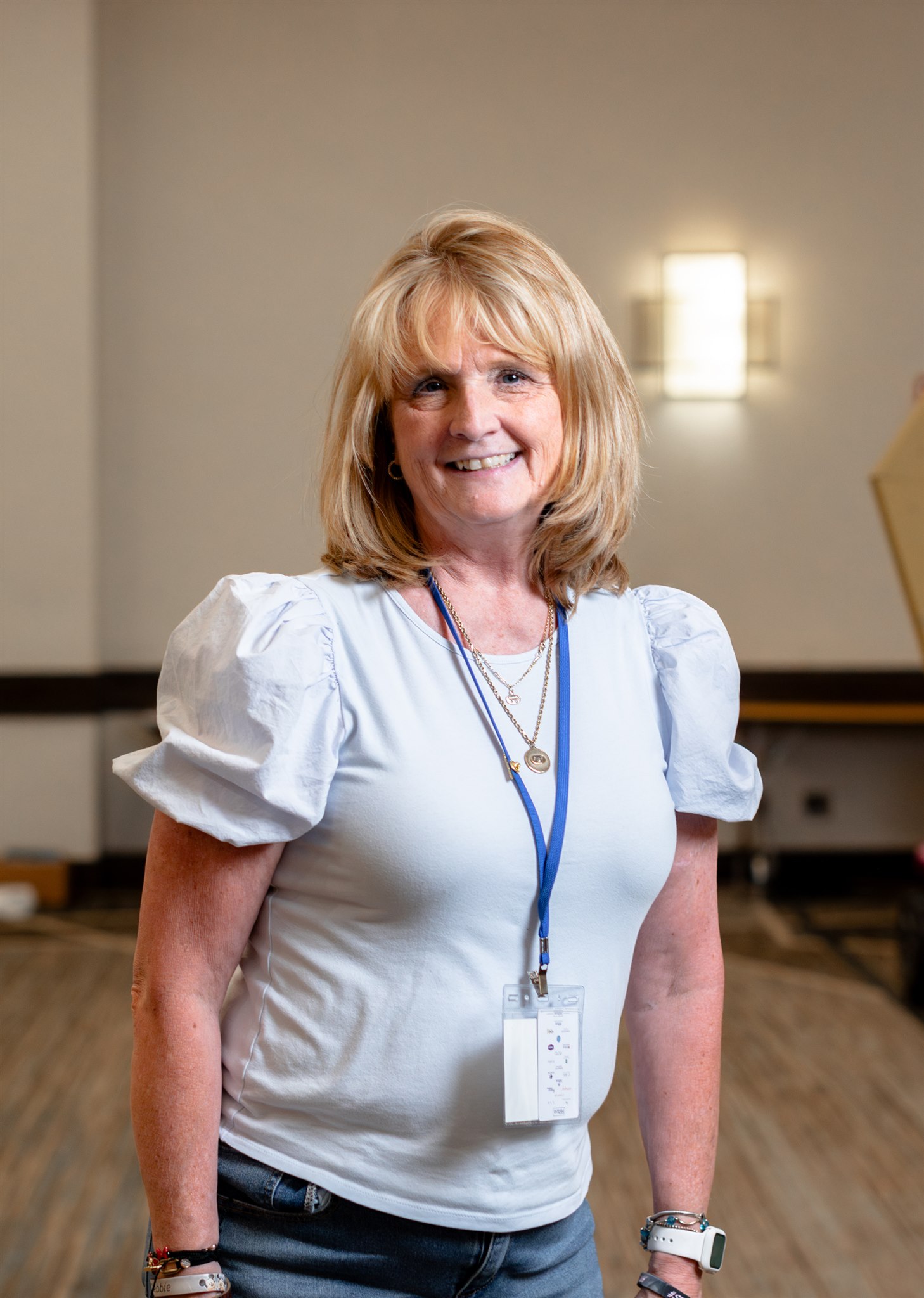
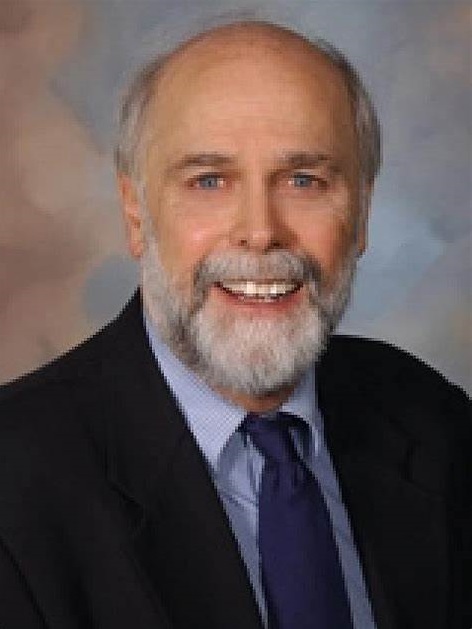
Dr. John Carey is a professor emeritus of pediatrics at the University of Utah and one of the founding voices of SOFT. He has served as medical advisor since the organization's earliest days and has been a central figure in nearly every major advancement in trisomy care over the past four decades. Leslie Carey has supported the SOFT community for just as long, most visibly through her longtime leadership of the conference auction and her presence at every annual gathering.
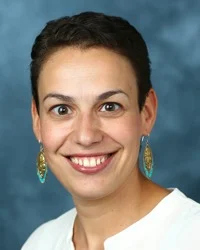
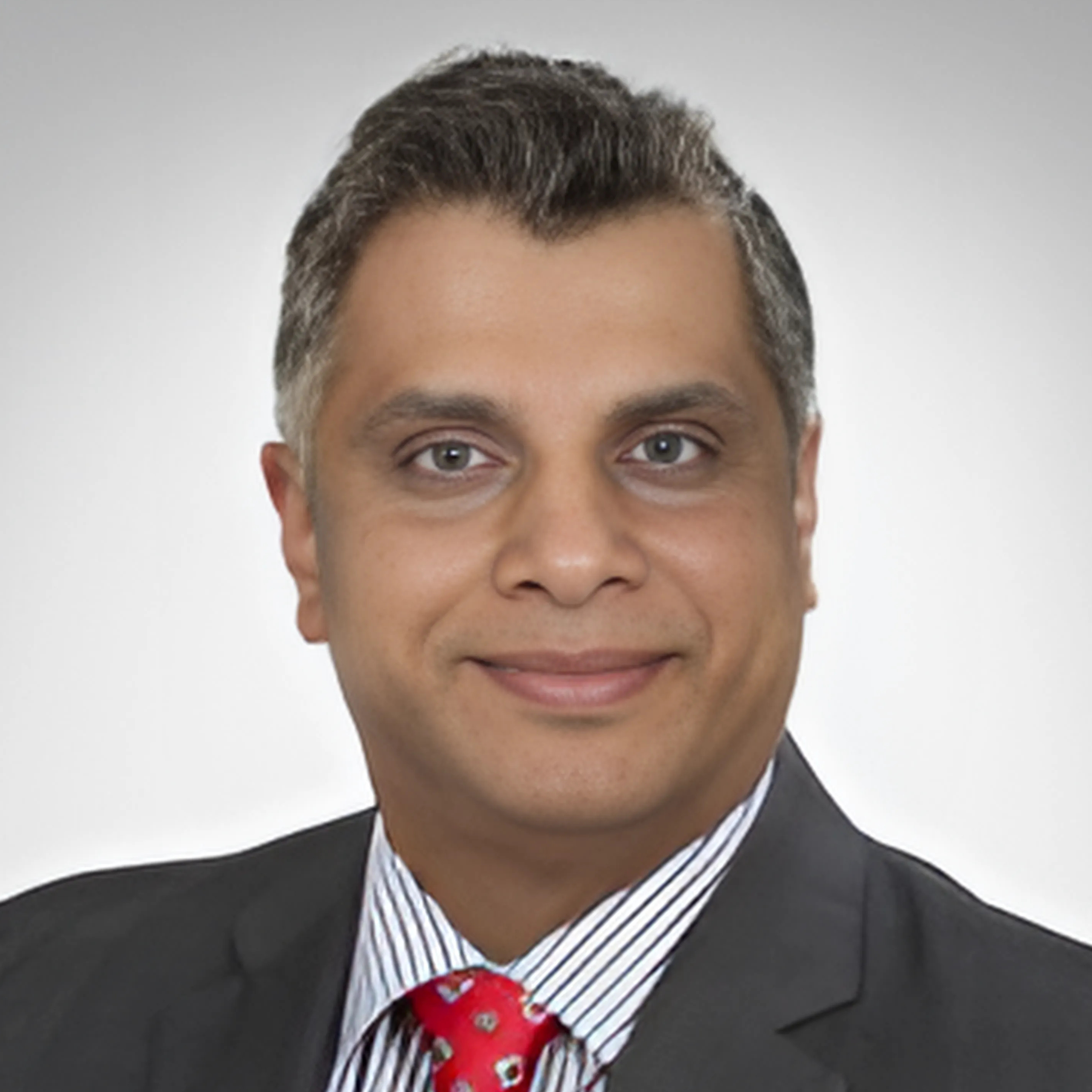
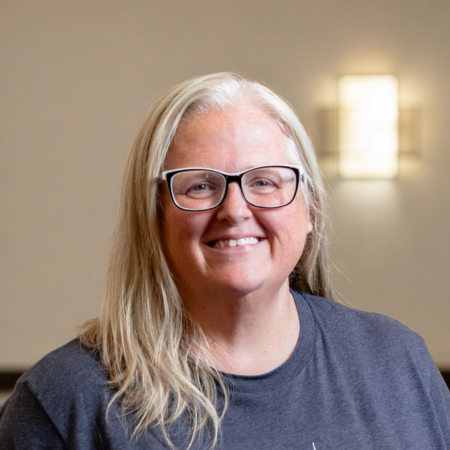
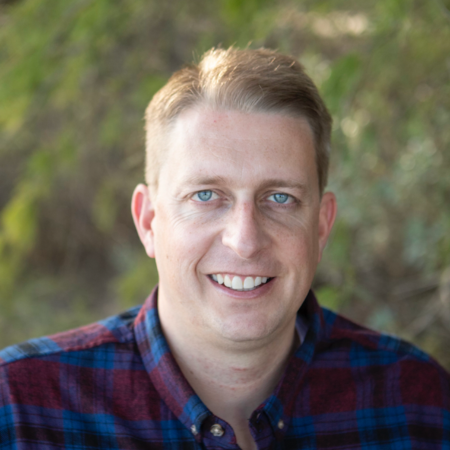
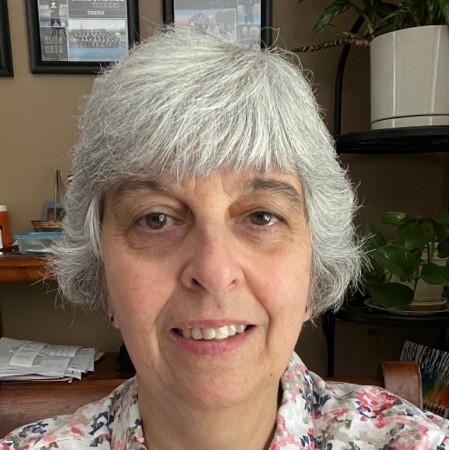
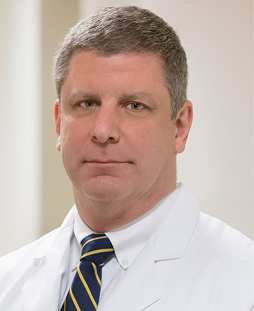
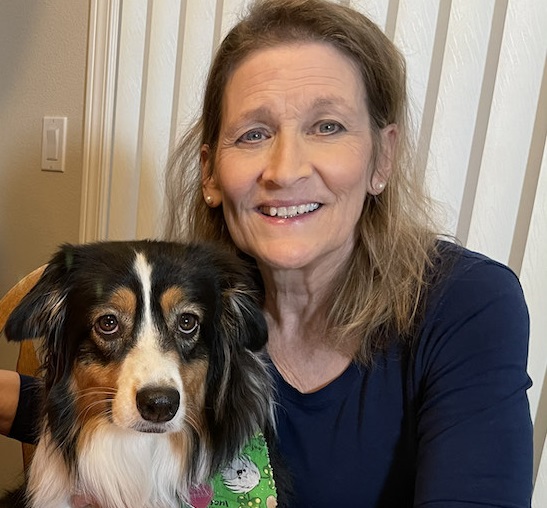
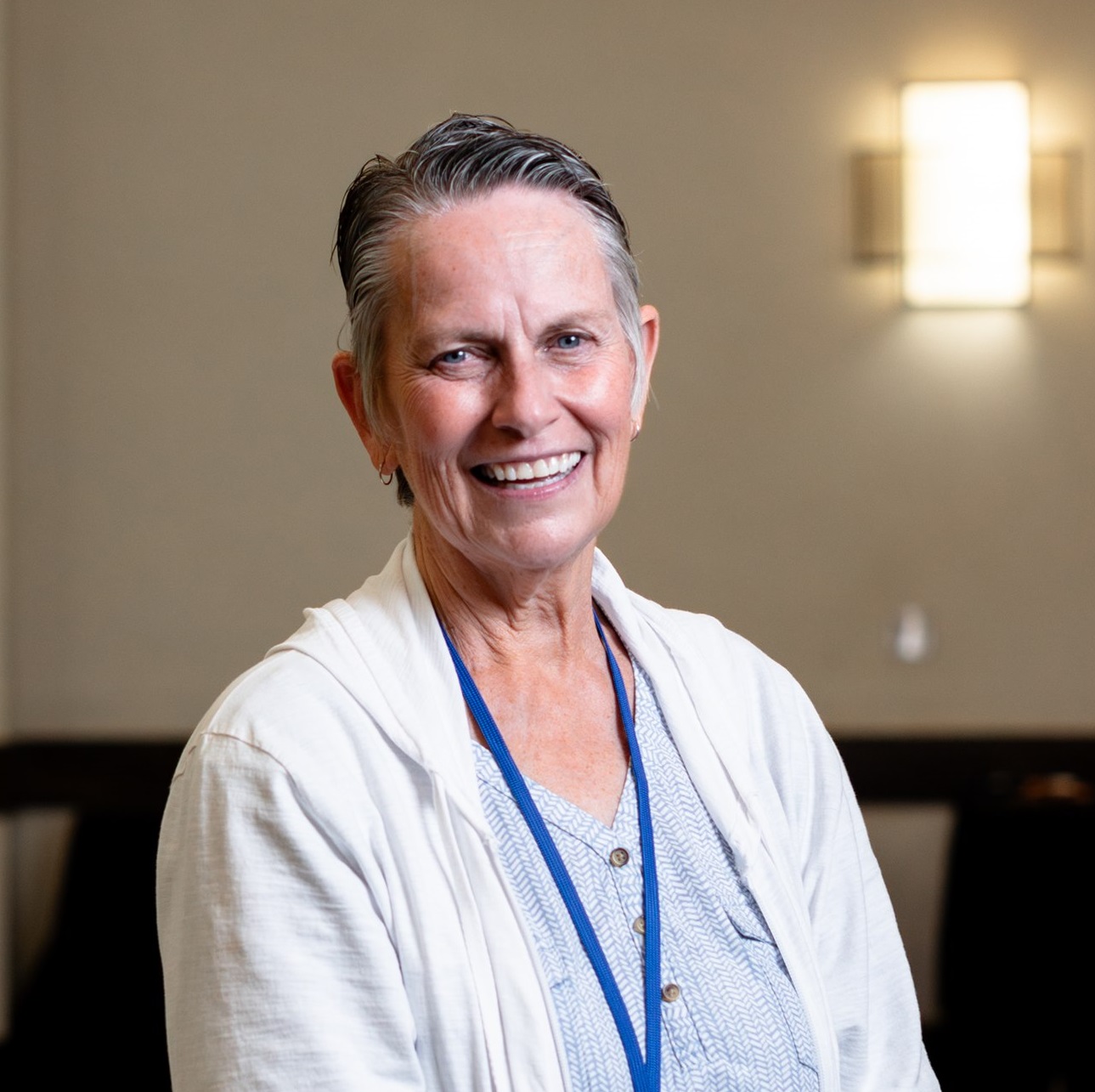
Dr. Scott Showalter and Vivian Showalter
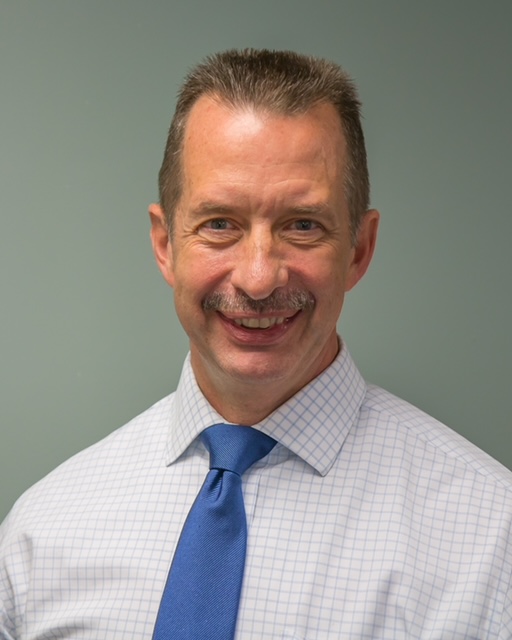
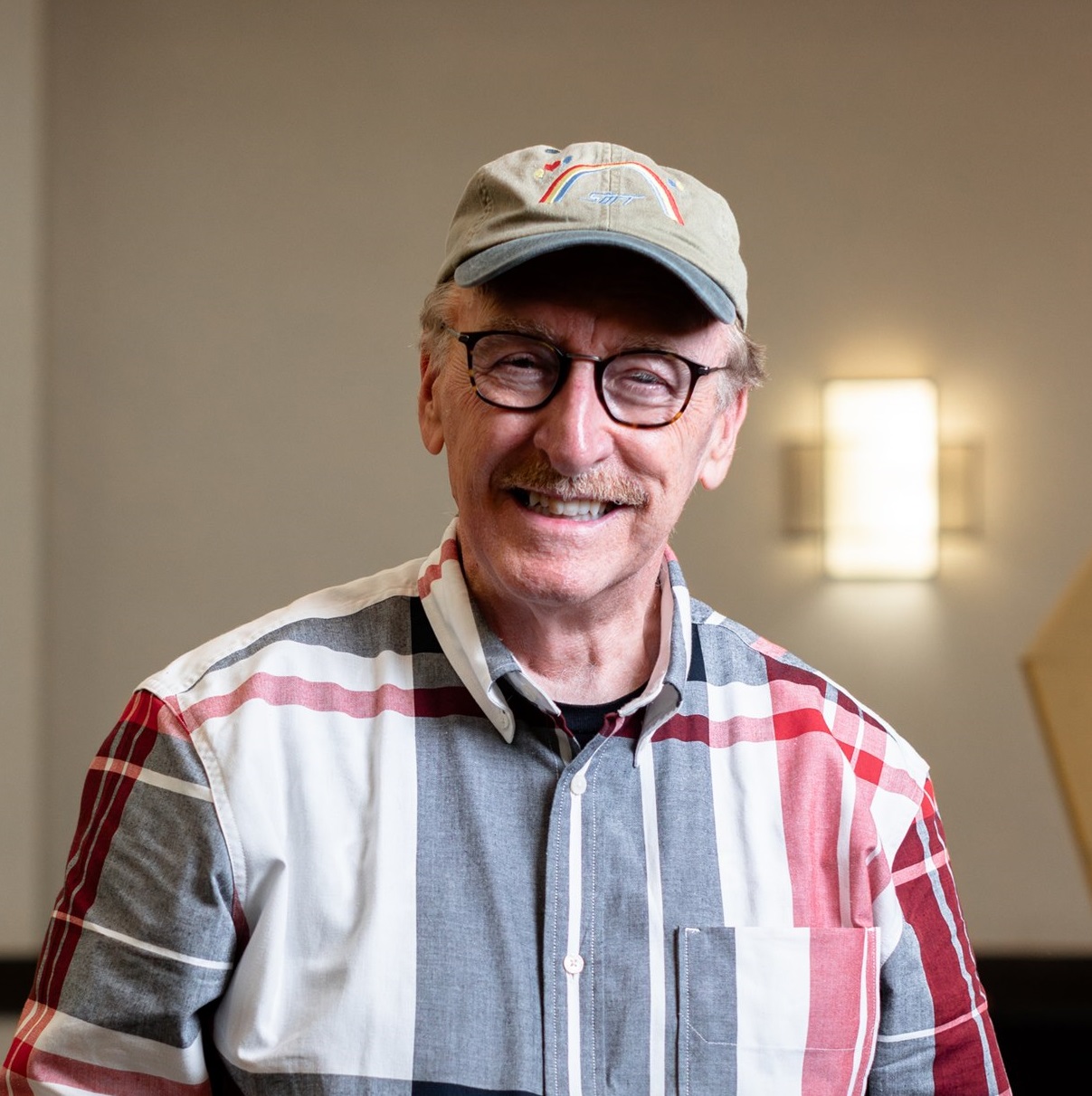
Dr. Scott Showalter is a general pediatrician in Denver who has served as the on call physician at SOFT conferences for decades. He and Vivian co-chaired the Colorado SOFT chapter, helped organize the 2008 SOFT conference in Denver, co-authored the landmark 2016 paper on shared decision making in Trisomy 18 and Trisomy 13 management, and received the Carey Deanne Holiday SOFT Friend Award in 1994. Their son Patrick was born in February 1987 with Trisomy 18 (Edwards syndrome) and lived two and a half months.
Resources Referenced in This Episode
Liked this episode? Browse all Talking Trisomy conversations covering Trisomy 18 (Edwards syndrome), Trisomy 13 (Patau syndrome), Trisomy 9, and related rare chromosome conditions.
All Episodes


Recent Comments