
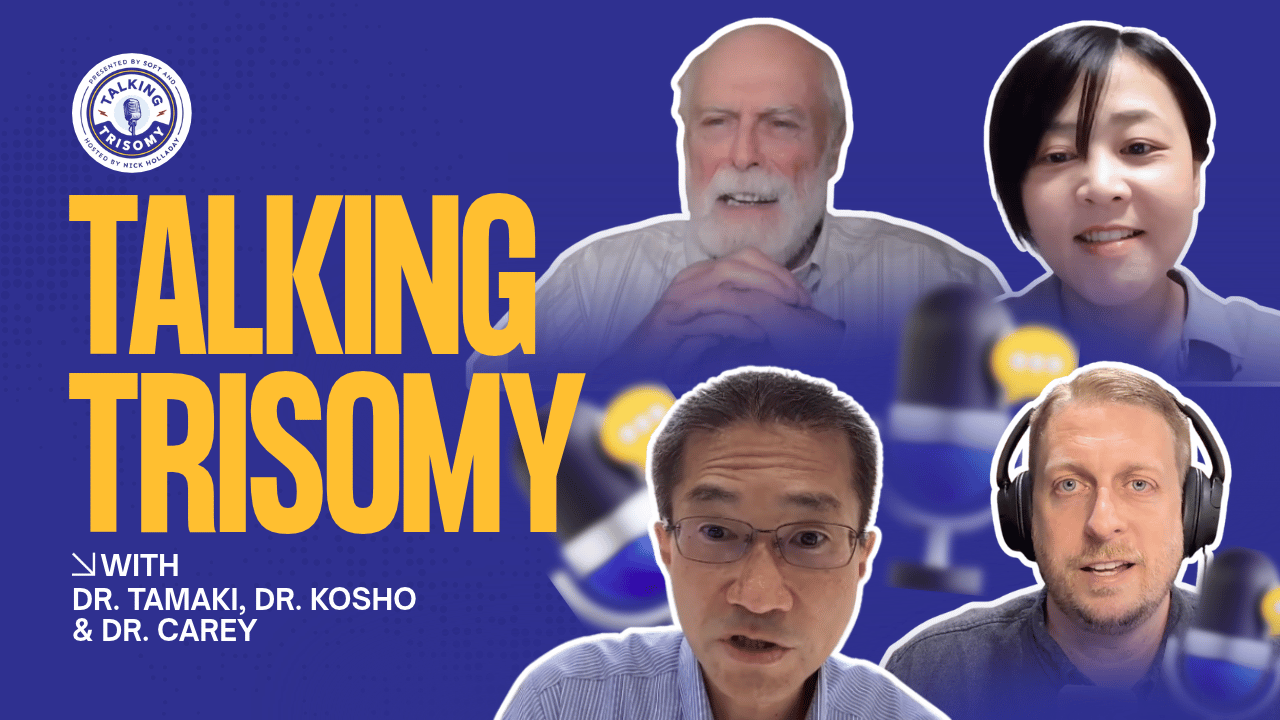
This episode of Talking Trisomy explores the latest advances in Trisomy 18 (Edwards syndrome) and Trisomy 13 (Patau syndrome) care, featuring Dr. Tomoki Kosho and Dr. Shoko Tamaki from Japan alongside co-host Dr. John Carey. Together they discuss their landmark 2026 review paper and what the current evidence now means for families and clinicians making decisions about Trisomy 18 care today.
- The landmark 2006 paper by Dr. Kosho that changed how the world understood survival in Trisomy 18 (Edwards syndrome)
- The new 2026 review paper by Tamaki, Carey, and Kosho on advances in Trisomy 18 and Trisomy 13 (Patau syndrome) care
- Why cardiac surgery is now an option for selected children with Trisomy 18 and Trisomy 13
- The management checklist designed to help pediatricians who may have less experience with these conditions
- How care differs between hospitals in Japan and why that is confusing for families
- How families in Japan can request transfer to a hospital willing to offer cardiac surgery
- The Japanese Trisomy 18 family support group and how it connects families
- What Dr. Carey experienced meeting Japanese trisomy families and why it moved him
- What SOFT's new and expectant parent books offer families in this moment
Advances in Care and Management of Infants and Children with Trisomy 13 and Trisomy 18: A Paradigm Shift
Published in March 2026 in Translational Science of Rare Diseases. Authors: Dr. Shoko Tamaki, Dr. John C. Carey, Dr. Tomoki Kosho. Free and fully accessible — no subscription required. Also linked from the Medical Professionals section of trisomy.org.
Read the Full PaperThe First International Episode of Talking Trisomy
This episode of Talking Trisomy crossed more than an ocean. Nick Holladay and Dr. John Carey were joined by two Japanese researchers who have spent decades building the clinical evidence base that is changing how physicians everywhere approach Trisomy 18 (Edwards syndrome) and Trisomy 13 (Patau syndrome). It was the first time Talking Trisomy has connected live with guests in Japan, and it will not be the last.
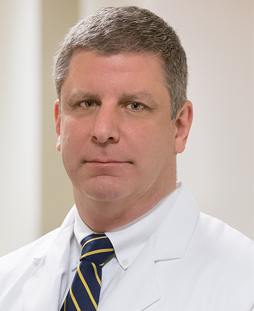
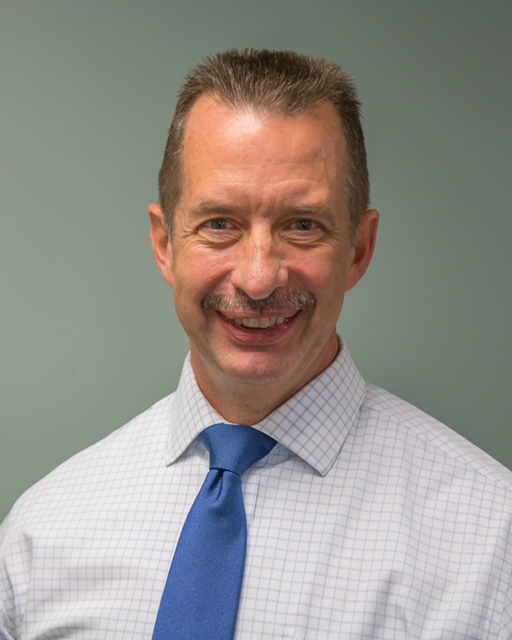
Dr. Tomoki Kosho is a professor and clinical geneticist at Shinshi University School of Medicine in Japan, and one of Dr. Carey's closest international colleagues of the past 25 years. Dr. Shoko Tamaki is a neonatologist now working at Saitama Children's Medical Center in Japan, where she has cared for many infants with Trisomy 18 and Trisomy 13 across some of Japan's leading tertiary care centers.
Together with Dr. Carey, they authored a paper published in 2026 that does something no single paper had done before: pull together the current evidence on survival, cardiac surgery, management, development, and shared decision making into one comprehensive review, with a practical checklist for clinicians, and make it freely available to anyone in the world.
The Baby Who Was Not Supposed to Live a Year
Dr. Kosho's first encounter with Trisomy 18 happened about three years after he finished medical school. He was a resident. A baby came in and he cared for her. He was happy with how it was going. His supervisor pulled him aside and told him something that stopped him cold: what he was doing was probably not good for this child.
"I was very shocked to know that there is a disease for which we cannot rescue or help. But the baby finally lived over about one year. And I recognized that the baby is not incompatible with life and the baby grew up and developed gradually. This is my first encounter."
Dr. Tomoki KoshoThat baby changed the direction of his career. He kept going back to those families. He kept asking what was actually happening to these children when someone decided to try. And in 2006, he published a paper that Dr. Carey describes as a landmark — one that he featured in an editorial in the American Journal of Medical Genetics and has shown in nearly every talk he has given since.
The 2006 Paper That Shifted Everything
What Dr. Kosho and his team did was simple and radical at the same time. They offered 24 families at Nagano Children's Hospital the opportunity for full intensive intervention — not cardiac surgery, but full respiratory support and up-to-date feeding therapies. All 24 families agreed. And then they watched what happened.
Twenty-two of the 24 children survived their first week of life. At the time, less than half would have been expected to. The median age of survival was around five months, compared to about 10 days at that time in the broader literature. And six of the 24 — 25% — survived to one year. At a time when physicians were expecting one or two at most.
"I saw this paper and I realized it really was the very first paper that showed and demonstrated that intensive intervention of this nature, not even counting cardiac surgery, improves survival."
Dr. John CareyDr. Carey called it a landmark then and calls it a landmark now. Papers from Japan on cardiac surgery followed over the next five years. And the field has not been the same since.
Dr. Tamaki's Contribution: What Happens When You Change Your Approach
Dr. Shoko Tamaki has cared for infants with Trisomy 18 and Trisomy 13 across multiple tertiary care hospitals in Japan. In 2022 she published a paper in the American Journal of Medical Genetics examining what happened at her hospital when the approach to care changed over time. She compared two groups of about 30 children each — one group from an earlier period, one from a later period when more cardiac surgery and intervention were offered.
The later group had a one-year survival rate above 50%. The earlier group had 35%, which was itself better than what most of the literature was showing at the time. The message was direct: more intervention, done thoughtfully, produced better outcomes. Not perfect outcomes. But markedly better ones.
"Both of these papers — one in 2006 and one just four years ago — really showed us, really underlined, that intervention made a difference. So that for families to know that."
Dr. John CareyThe 2026 Paper: A Practical Resource for the World
About a year and a half ago, a colleague at Boston Children's invited Dr. Carey to contribute to an open-access journal series on rare diseases. He had an idea. He wrote to Dr. Kosho. Dr. Kosho brought in Dr. Tamaki. And the three of them built something new.
The paper, published in March 2026, is called Advances in Care and Management of Infants and Children with Trisomy 13 and Trisomy 18: A Paradigm Shift. It covers epidemiology, genetics, diagnosis, cardiovascular care, respiratory care, neurology, feeding, development, hearing, and shared decision making. It includes a comprehensive management checklist organized by age — from prenatal through adolescence — that any pediatrician picking up a Trisomy 18 or Trisomy 13 patient for the first time can actually use.
"I worked in several NICUs in Japan and I have seen large differences in treatment practices between hospitals. I think these differences can sometimes be confusing for families. The main goal of our review was to provide updated and balanced information."
Dr. Shoko TamakiThe checklist was built specifically for general pediatricians in the community who may have far less experience with these conditions than the neonatologists who cared for the child in the NICU. When a child is discharged at five or six months, that community pediatrician needs to know what to look for, what to check, and when to refer. The checklist tells them.
The full paper is freely available — no subscription, no paywall. It is linked from the Medical Professionals section of trisomy.org and in the description of this episode.
Cardiac Surgery: What the Evidence Now Shows
One of the most significant sections of the paper is the summary of cardiac surgery outcomes. Dr. Tamaki walked through what the data shows: for selected children with Trisomy 18 and Trisomy 13, cardiac surgery is associated with markedly improved survival. In-hospital mortality after cardiac surgery in large recent studies is below 15%. For children with mild to moderate heart disease, the outcomes in carefully selected patients are real and meaningful.
There are still unanswered questions. The optimal timing for complete repair is not established. Which children benefit most from palliative surgery versus definitive repair is still being studied. And the evidence base for Trisomy 13 remains thinner than for Trisomy 18. But the old blanket assumption — that cardiac surgery is never appropriate for these children — is no longer supported by the evidence.
In Japan, as in America, some hospitals still do not present cardiac surgery as an option at all. Families in both countries sometimes have to search for a hospital willing to perform it and pursue a transfer. Dr. Kosho described a patient in Nagano Prefecture whose family wanted cardiac surgery, was referred to a surgeon in Osaka, had the surgery performed, and came back. That experience helped persuade the surgeons and neonatologists at Nagano Children's to begin offering cardiac surgery themselves in 2024.
"In Japan it can be difficult for families to find out which hospitals are willing to offer cardiac surgery."
Dr. Shoko TamakiIn Japan, the national health insurance system covers all treatment for any child. There is no coverage fight, no insurance company making the decision. In America, the insurance question is real and adds a layer of complication that Japanese families do not face. It is worth knowing as a family that transfer to a hospital willing to perform cardiac surgery is an option in both countries — but that the path to get there looks different.
The Japanese Trisomy 18 Family Support Group
Nick asked Dr. Kosho about the family support network in Japan. The Trisomy 18 Support Group in Japan was established in 2001 by Professor Hiroko Sakurai, who still serves as its president. Dr. Kosho has been involved since its founding. In 2013 the group published a comprehensive survey of its members on the natural history of Trisomy 18 and parental experiences — also in the American Journal of Medical Genetics.
The conclusion of that paper: parents appeared to be positive about caring for their children. The children interacted with parents and siblings as long as they lived. And what the Japanese families reported was essentially identical to what SOFT families in North America report.
"Through the interpreter, they were reflecting exactly the same feelings — the pride in their baby or their child and the fact that they had gotten the care they had. Exactly the same way I hear parents talk at a SOFT meeting. Parents were the same in both countries."
Dr. John Carey, on meeting Japanese trisomy families in NaganoThe Japanese group connects primarily through digital channels — mailing lists, social networks — and has increasingly been reaching families who receive prenatal diagnoses. Dr. Kosho noted that families are connecting earlier now, in part because prenatal diagnosis through NIPS is more common. The parallel to what SOFT is seeing with its new and expectant parent books is exact.
What This Means for Families Right Now
Every family who receives a Trisomy 18 or Trisomy 13 diagnosis deserves to know what the evidence now shows. Not the statistics from the 1970s. Not the assumptions that were built on a time when intervention was never offered. The current evidence.
Some children will benefit from cardiac surgery. Some will not. Some families will choose intensive care. Some will choose comfort care. Those are decisions that belong to families, made with accurate and complete information, in partnership with a clinical team that treats each child as an individual. That is what shared decision making means, and it is what this paper advocates for, clearly and directly.
Nick put it simply at the end of the episode: what families want is to have their child honored and respected, not as a diagnosis, but as a person. What these three physicians have spent their careers building is the evidence base that makes that possible.
"What I am hearing from both of you is something that a lot of parents have told me personally — we hope to have each individual child treated not by a condition or some presumed incompatibility, but to support and to treat that child based on what they need."
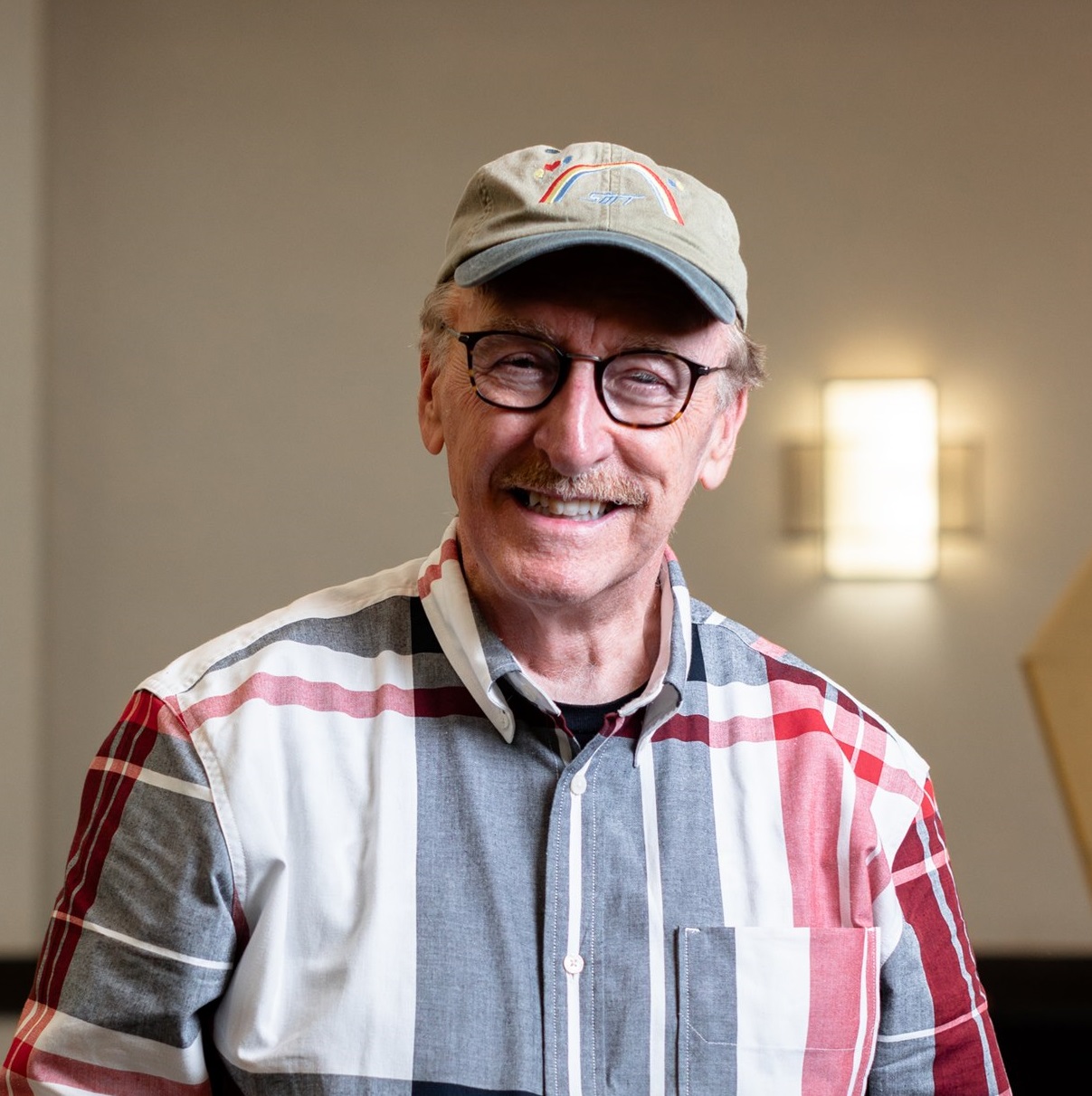
Nick HolladayDr. Tomoki Kosho
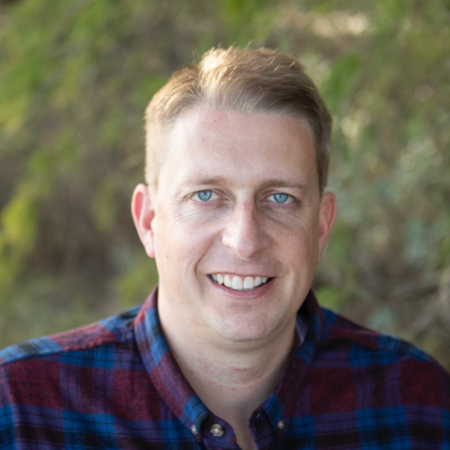
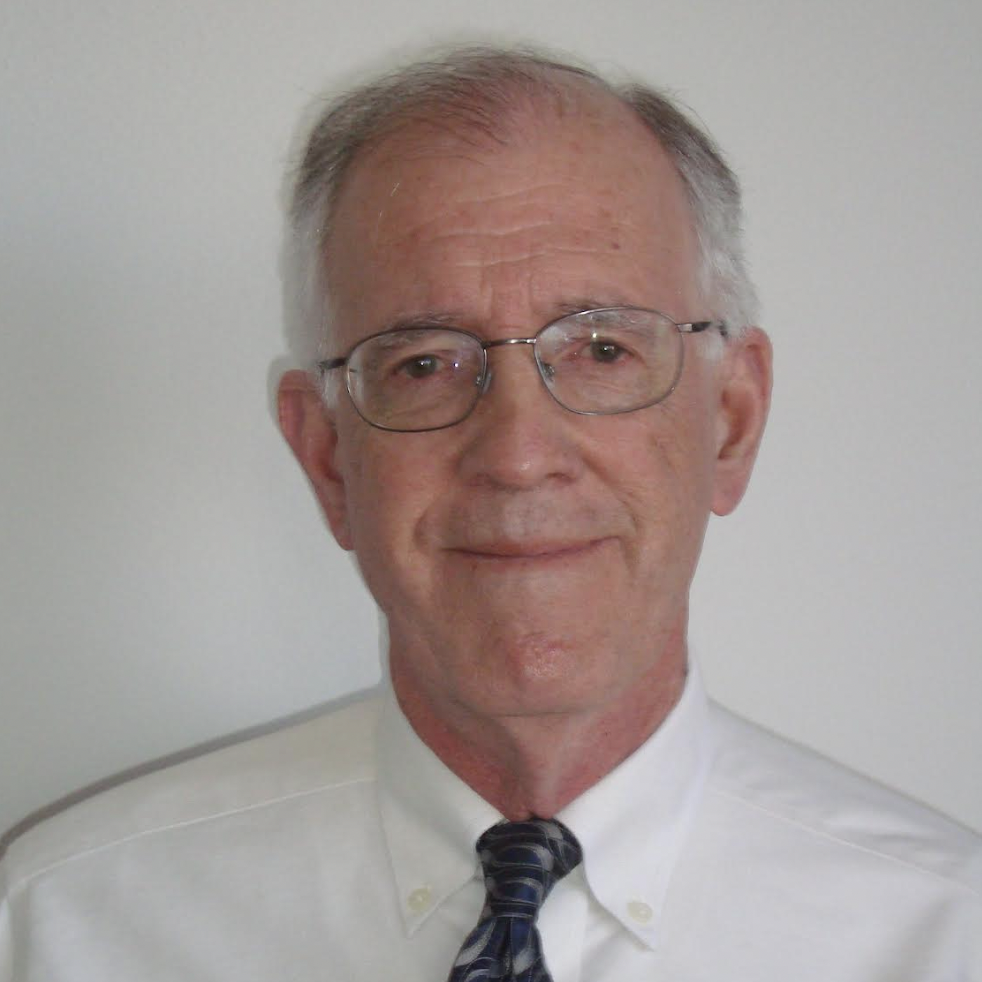
Dr. Kosho began his career as a general pediatrician and neonatologist before becoming a clinical geneticist. His 2006 paper on intensive management of Trisomy 18 at Nagano Children's Hospital is widely recognized as a landmark in the field. He has supported the Japanese Trisomy 18 family support group since its founding in 2001 and has collaborated with Dr. Carey for more than 25 years.
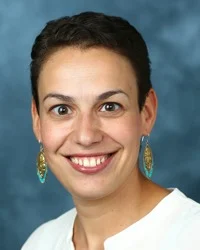
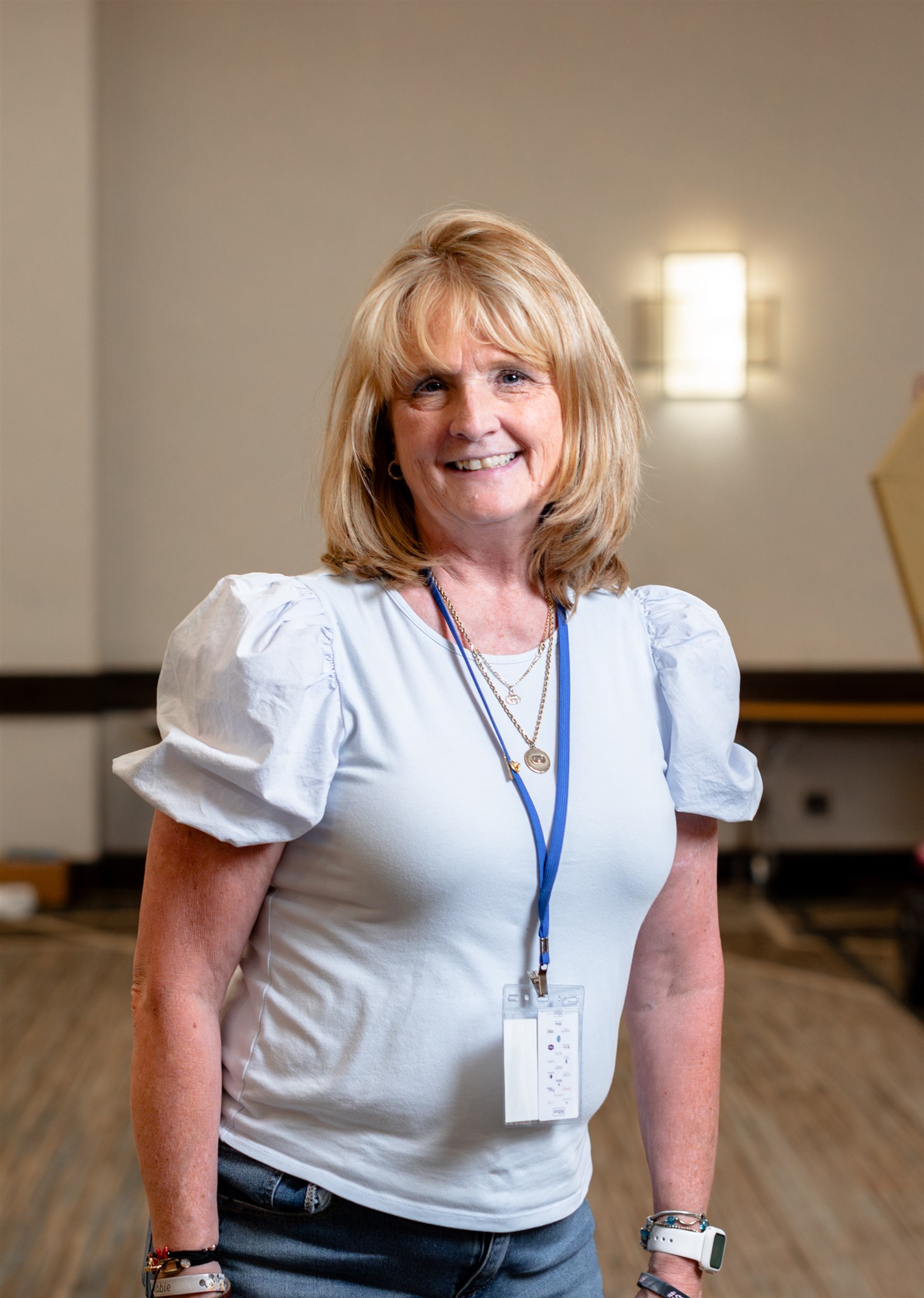
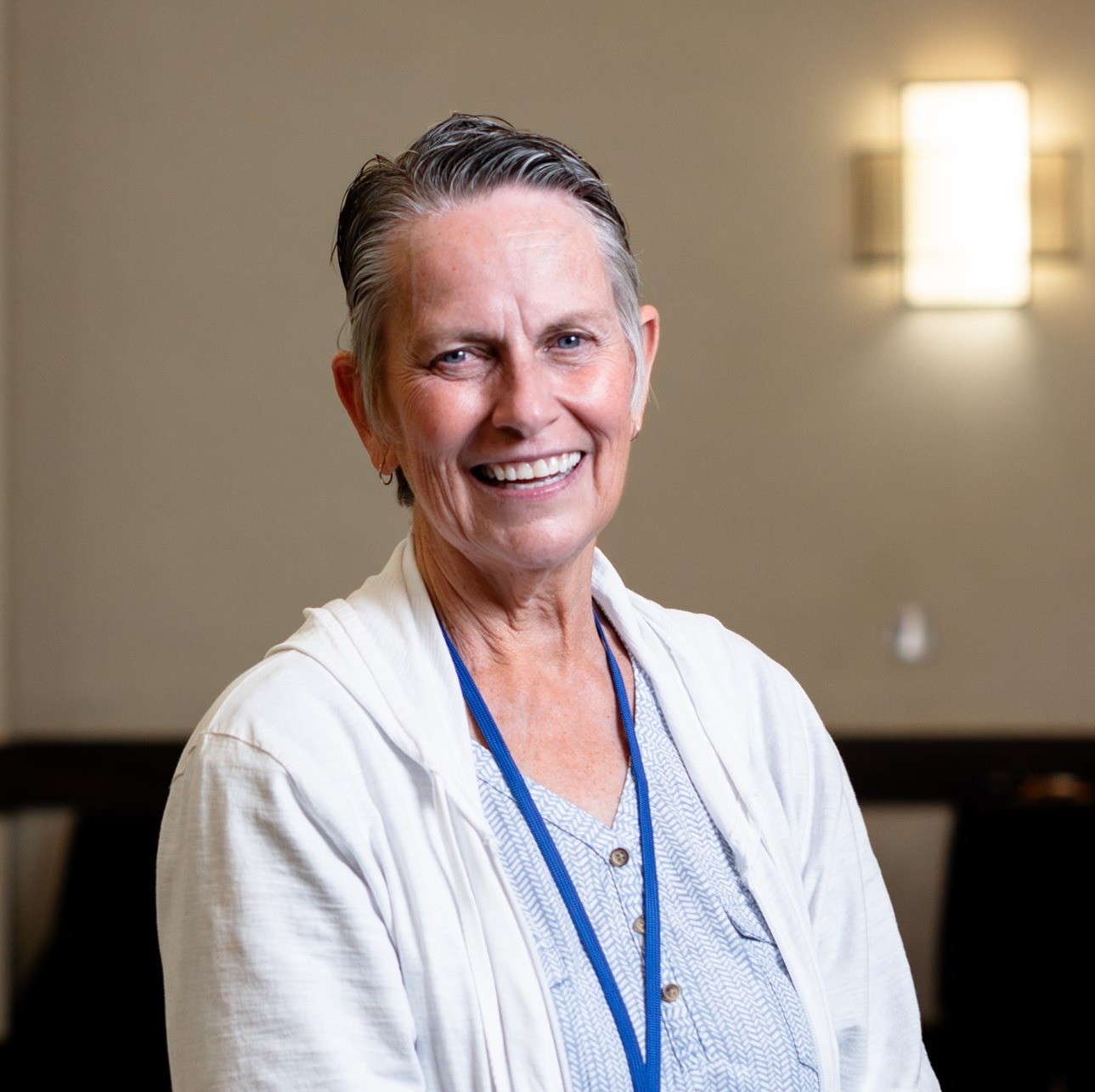
Dr. Shoko Tamaki
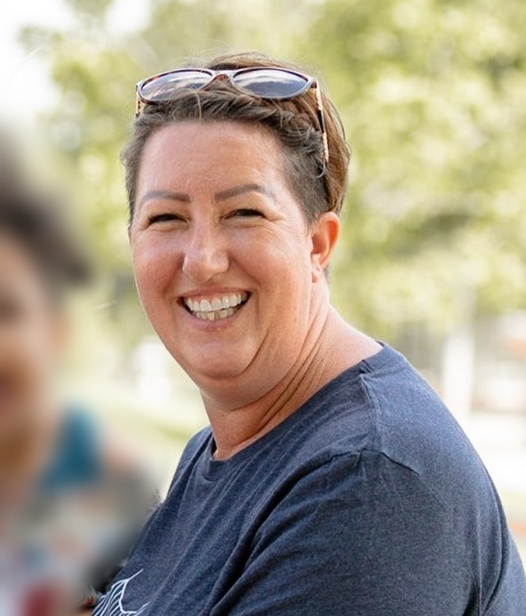
Dr. Tamaki has cared for infants with Trisomy 18 (Edwards syndrome) and Trisomy 13 (Patau syndrome) across several of Japan's leading tertiary care centers, including Kobe Children's Hospital and Saitama Children's Medical Center. Her 2022 paper demonstrating improved survival with increased intervention was the primary driver of the 2026 review. She is currently a PhD candidate at Xinji University where Dr. Kosho serves as her mentor.
Resources Mentioned in This Episode
Liked this episode? Browse all Talking Trisomy conversations covering Trisomy 18 (Edwards syndrome), Trisomy 13 (Patau syndrome), Trisomy 9, and related rare chromosome conditions.
All Episodes




Recent Comments