
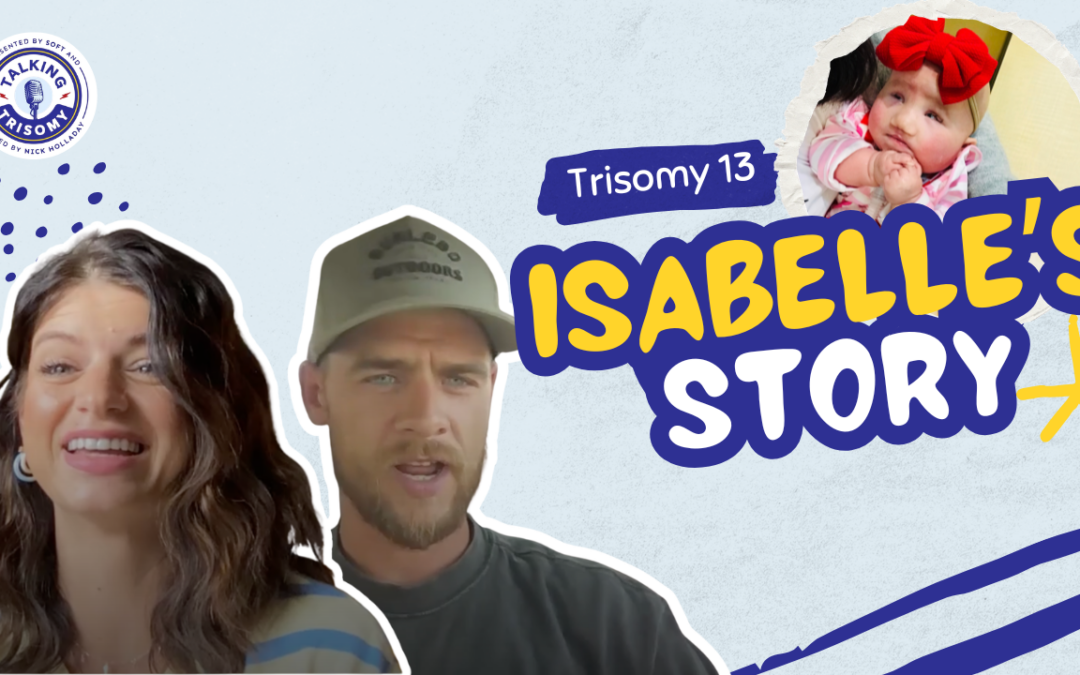
Talking Trisomy Podcast
Izzy's Story: Defying Every Expectation with Trisomy 13
Colton and Kailey Farmer share their daughter Izzy's journey with Trisomy 13 (Patau syndrome), from a difficult prenatal diagnosis to the thriving seven year old who lights up every room.
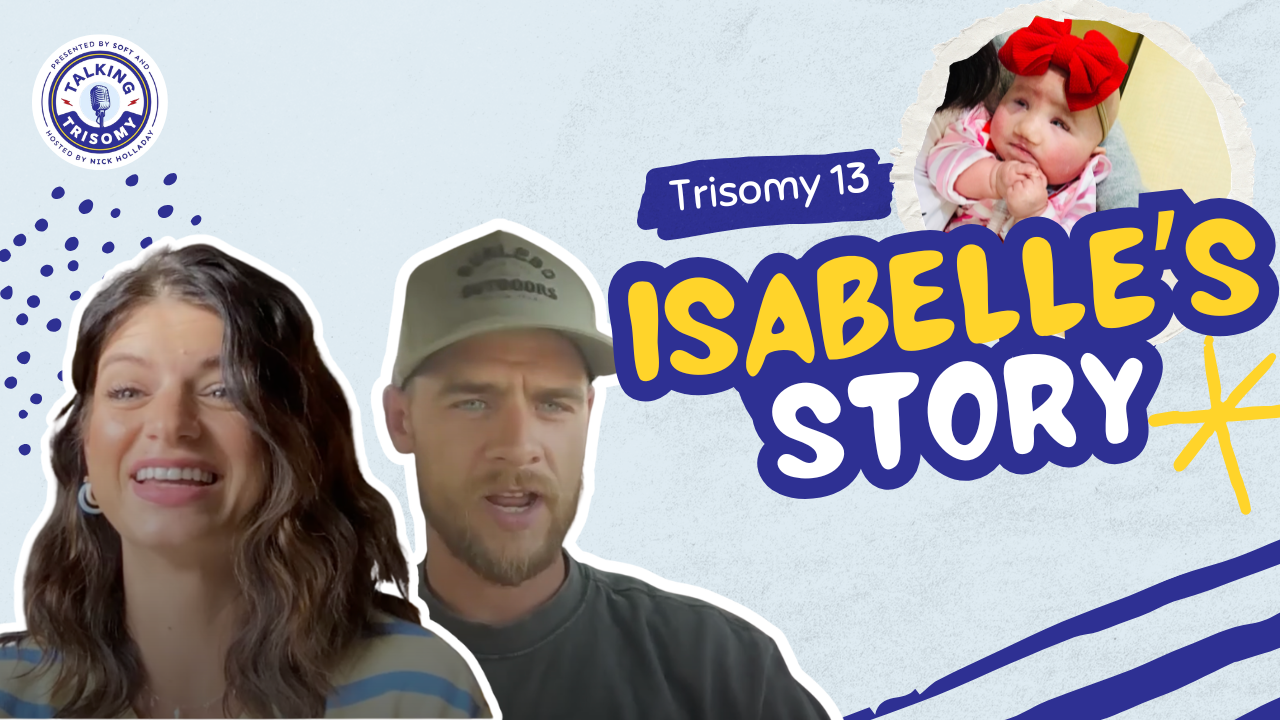
Listen to the full conversation
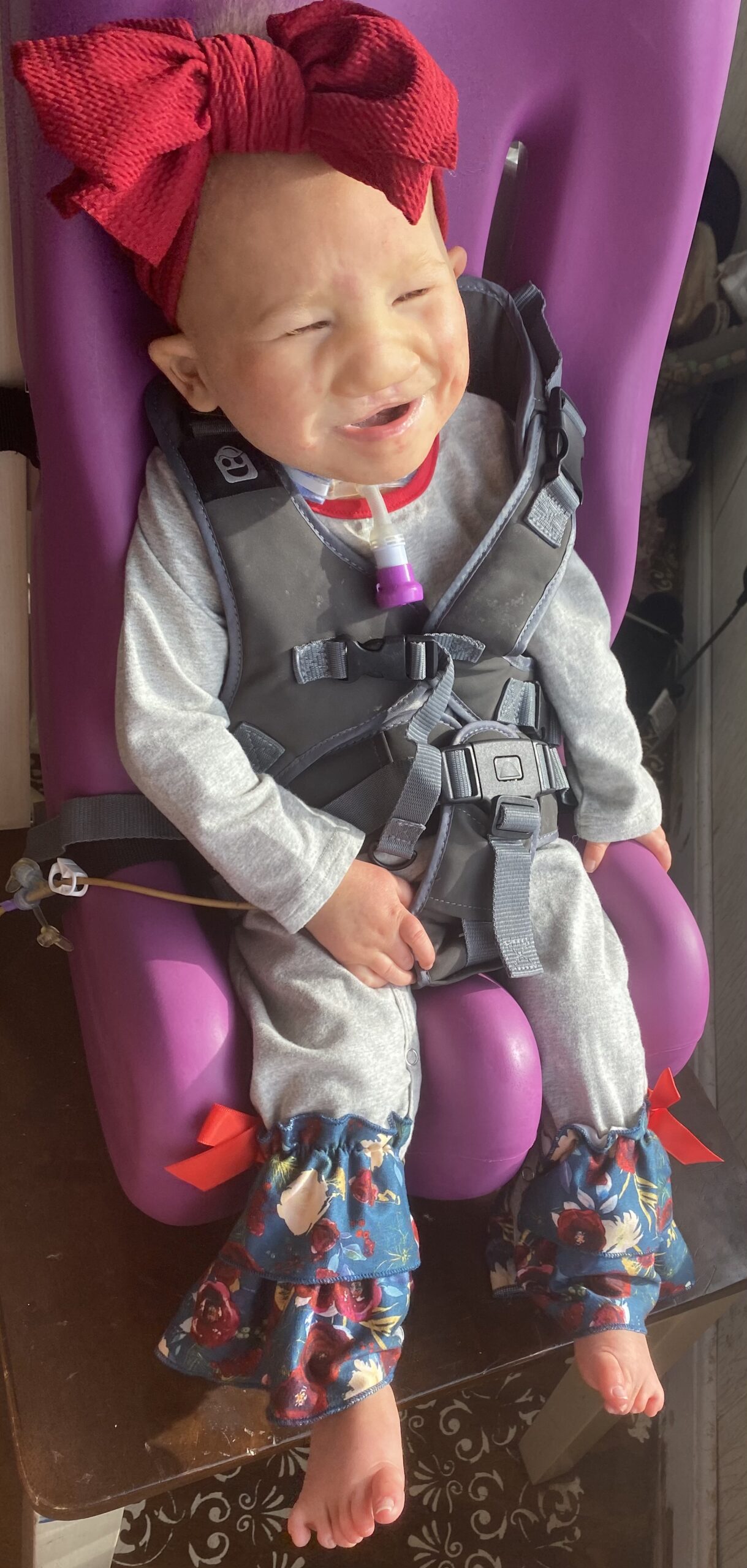
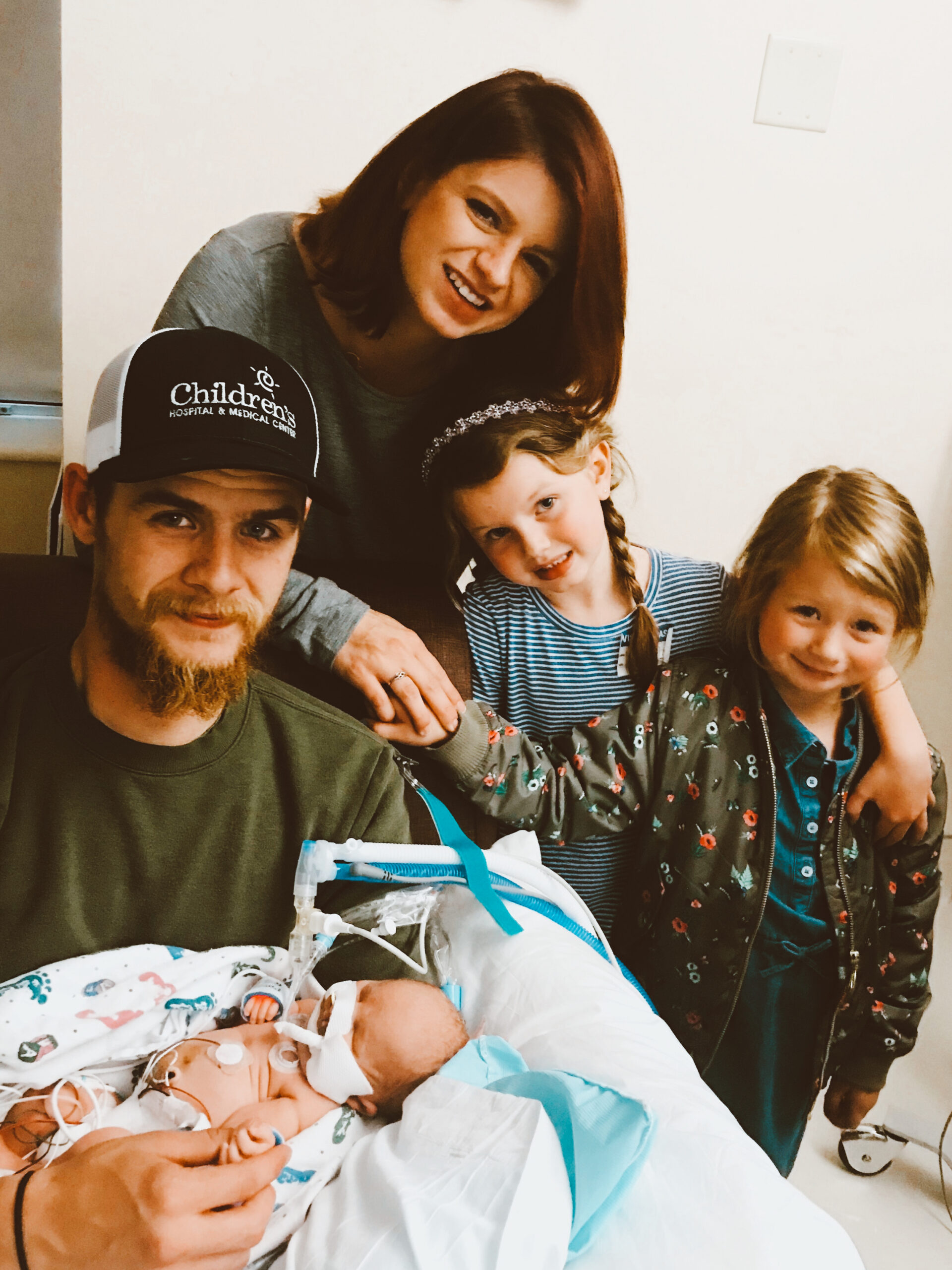
Colton and Kailey Farmer have three daughters. Emma is thirteen. Maddie is twelve. And Izzy, short for Isabelle, is seven and has Trisomy 13, also known as Patau syndrome. In this episode of Talking Trisomy, host Nick Holladay sits down with the Farmer family to talk about the twenty week ultrasound that changed everything, the doctors who told them their daughter was incompatible with life, and the seven years since that proved otherwise.
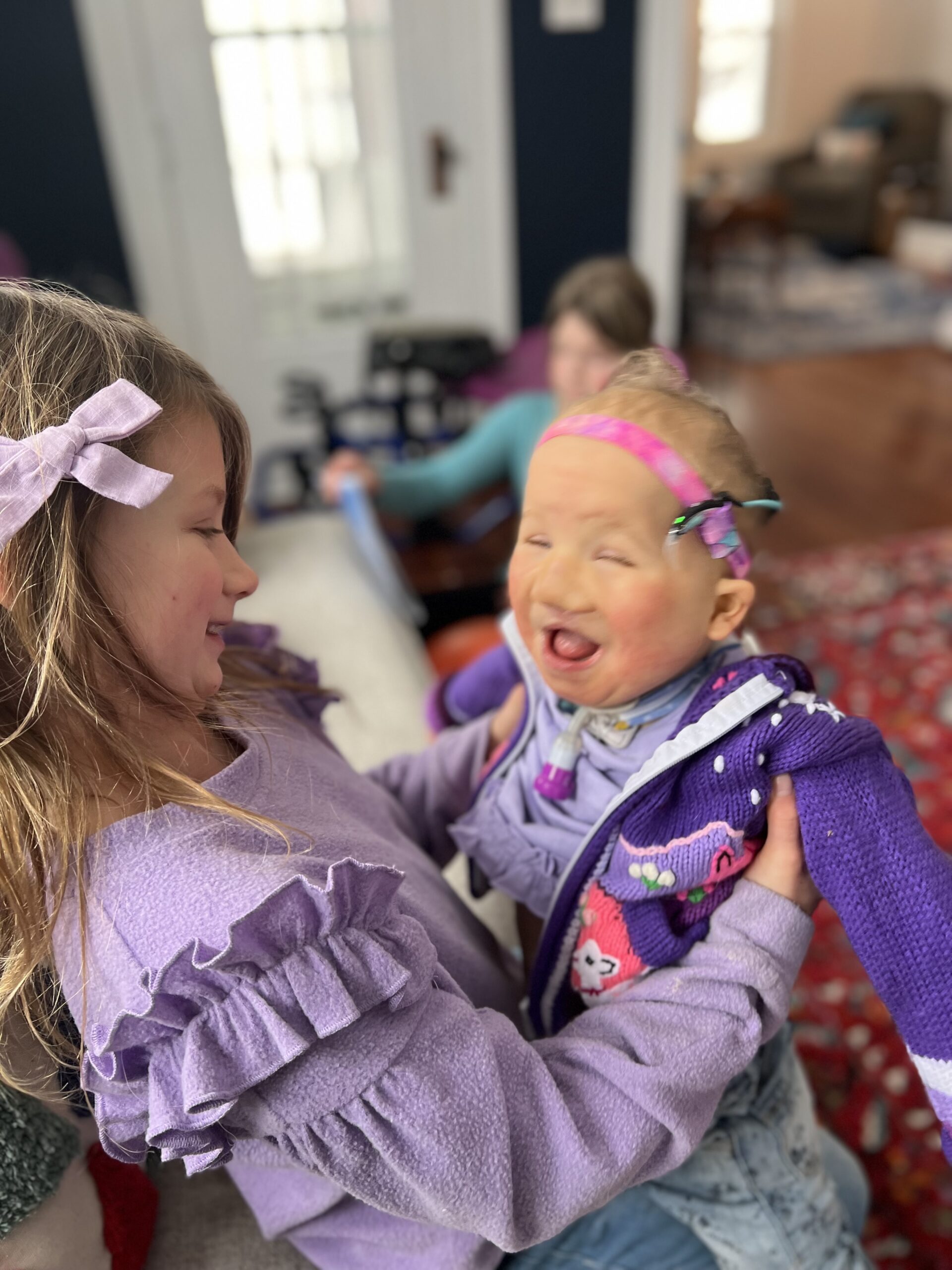
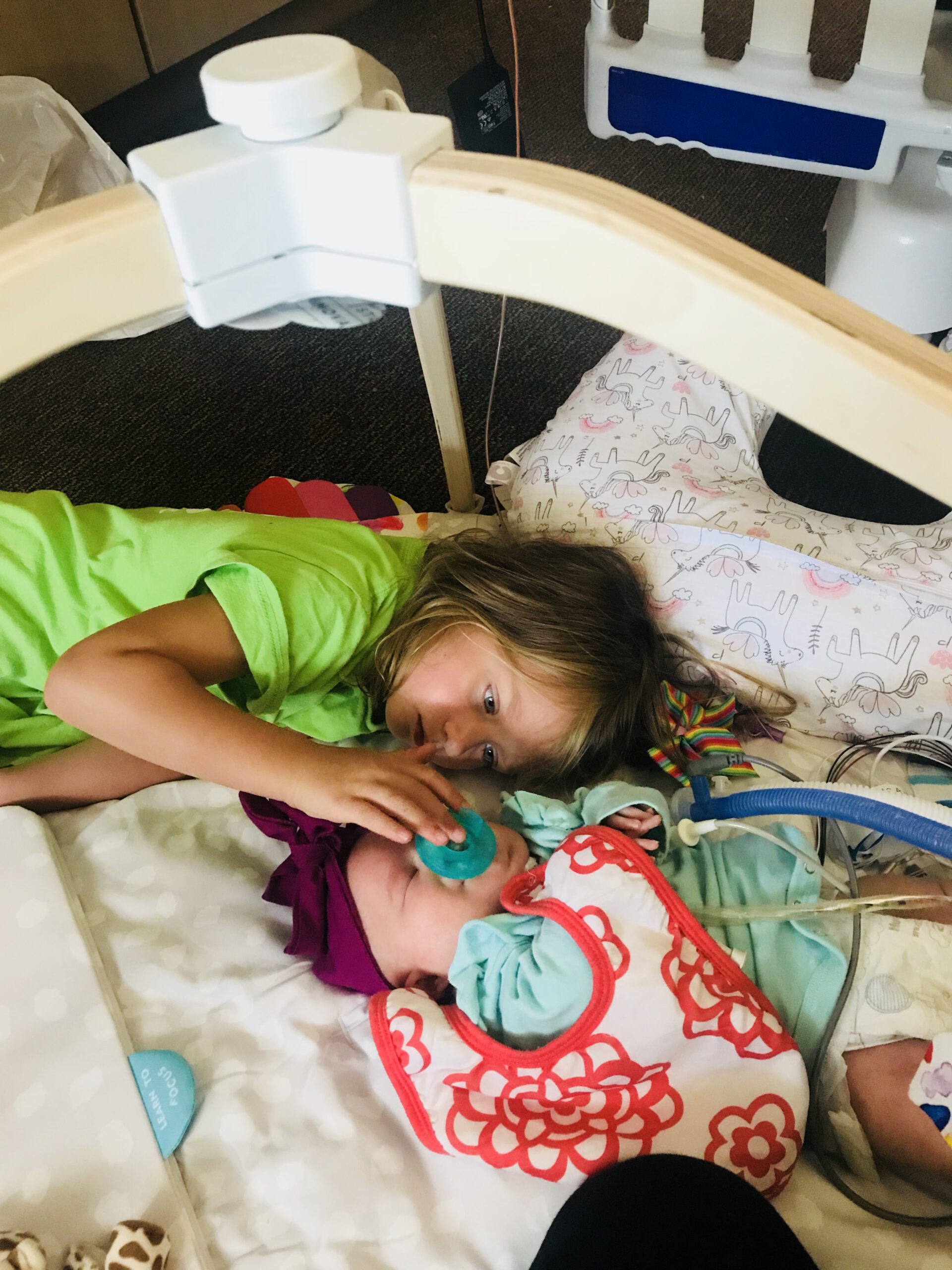
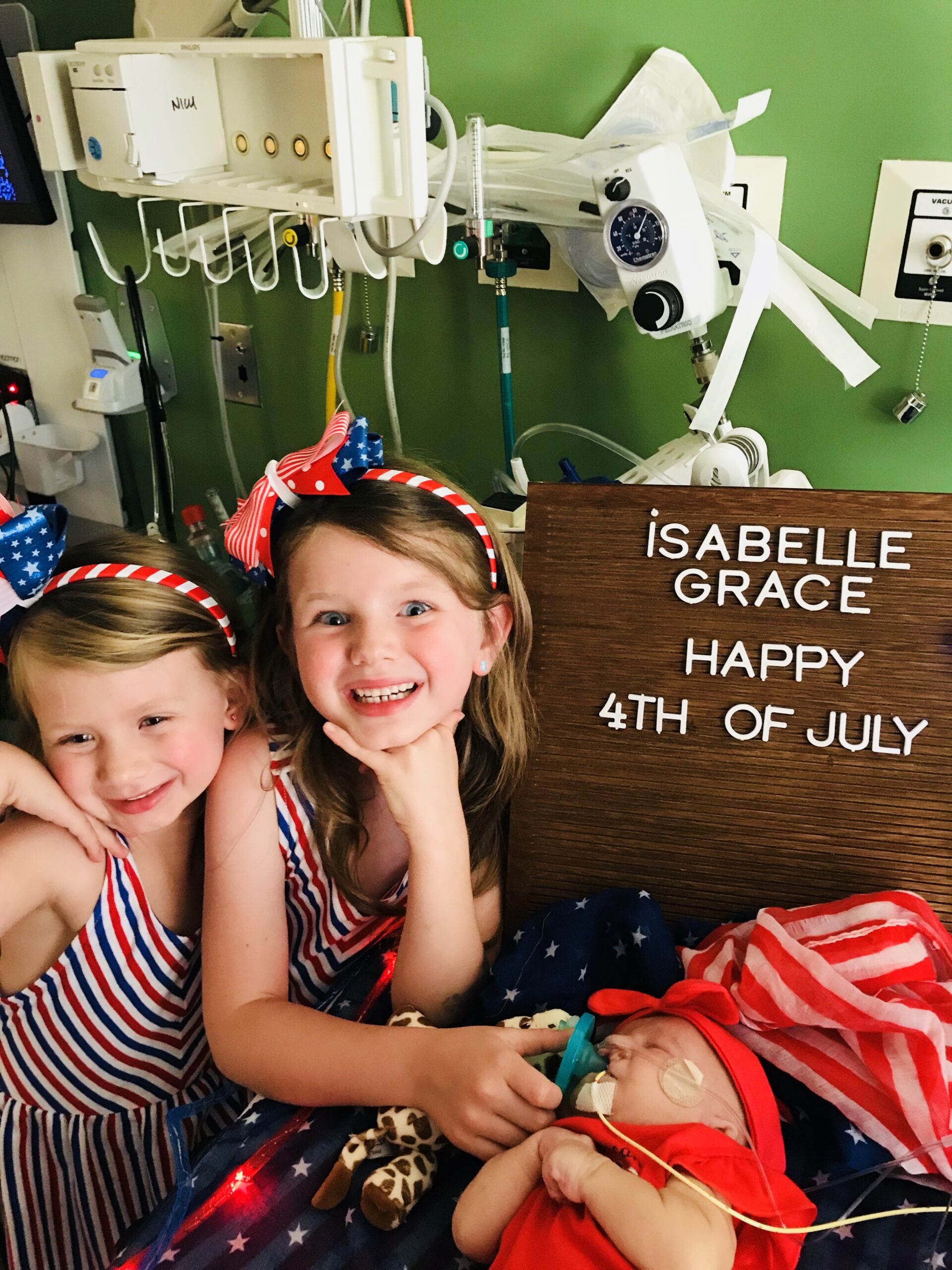
Before the interview began, Emma and Maddie were asked what they love most about their little sister. Maddie said it is when Izzy laughs and smiles, because it feels like she lights up the room. Emma said it is when she is sassy. Two sisters, two answers, one clear picture of a girl who is fully part of her family.
A Celebratory Ultrasound, Then Silence
Kailey was twenty weeks pregnant with her third child when she brought Emma and Maddie along to what was supposed to be a routine ultrasound. What followed was the longest ultrasound of her life. The tech went quiet. She left the room to get the physician. Emma and Maddie were asked to wait in the bathroom attached to the ultrasound room, and that is where Kailey and her mother in law first heard the words Patau syndrome and Trisomy 13.
The physician laid out the presumed diagnosis and, almost immediately, mentioned that families in their position often chose to terminate. An amniocentesis was scheduled before Kailey and Colton had any real information to process what they had just been told.
A Room With the Tissue Box Already Out
The Farmers sought a second opinion at a larger children's hospital. A cardiologist reviewed Izzy's heart defects, a common atrial and ventricular septal combination, and said plainly that it was repairable. For the first time, they felt a flicker of hope. Then the NIPT results came back showing a greater than ninety percent probability of full Trisomy 13, and the family was brought into a small room already set up with tissues for a group of specialists to deliver the news.
One by one, the team told them their daughter was not survivable. A maternal fetal medicine physician said it did not matter where she was born, she would die regardless. A neonatologist said he would never intubate a child with Trisomy 13. A neurologist told them that if Izzy survived, she would seize constantly and never know joy or smile.
Finding a Team That Said Yes
Rather than accept that verdict, the Farmers started searching, first on Facebook, where they found families raising children with full Trisomy 13 well past infancy, including one who was eighteen years old. That search led them to a hospital in Omaha, Nebraska, where every specialist they met approached Izzy's case differently.
Cardiothoracic surgeon Dr. Hamill, a name familiar to many families in the SOFT community, told Kailey something she has never forgotten: every living thing has a desire to live, and who was he to stand in the way of that. He asked only that Izzy reach a certain weight so he could operate.
At thirty six weeks, back at their local hospital for what should have been routine care, an OB looked at the ultrasound and asked Kailey if it was her intention to meet her child alive, then left the room without explaining what he had seen. Unable to get answers from anyone at the practice, Colton made the call to drive straight to Omaha. Six days later, Izzy was born by emergency C-section due to excess amniotic fluid, a decision the delivering surgeon later said may have saved both Izzy's life and Kailey's.
Six Months in Omaha, Then Chicago
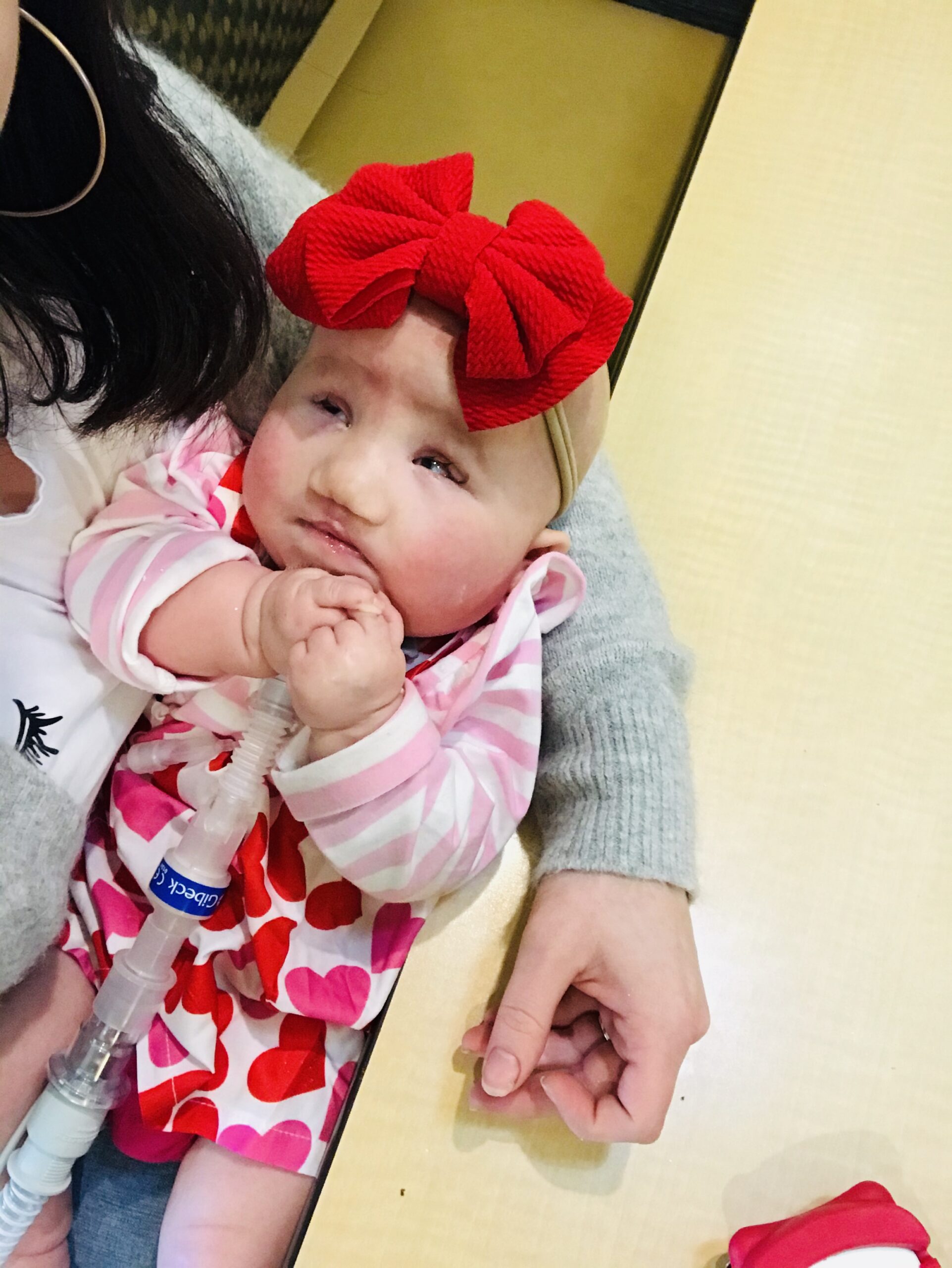
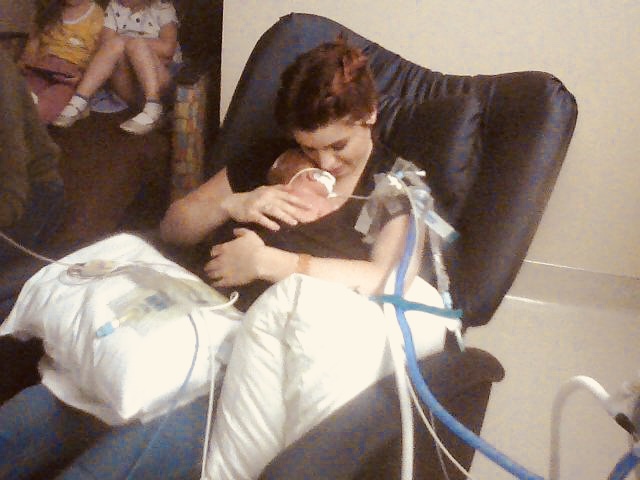
Izzy spent the next six months in Omaha, where she underwent the bulk of her early surgeries, including heart repair, a G tube, and a tracheostomy. The Farmers were included in daily rounds and given full transparency from a team that, in their words, never hesitated to intervene, even during a frightening MRSA infection that put Izzy into septic shock.
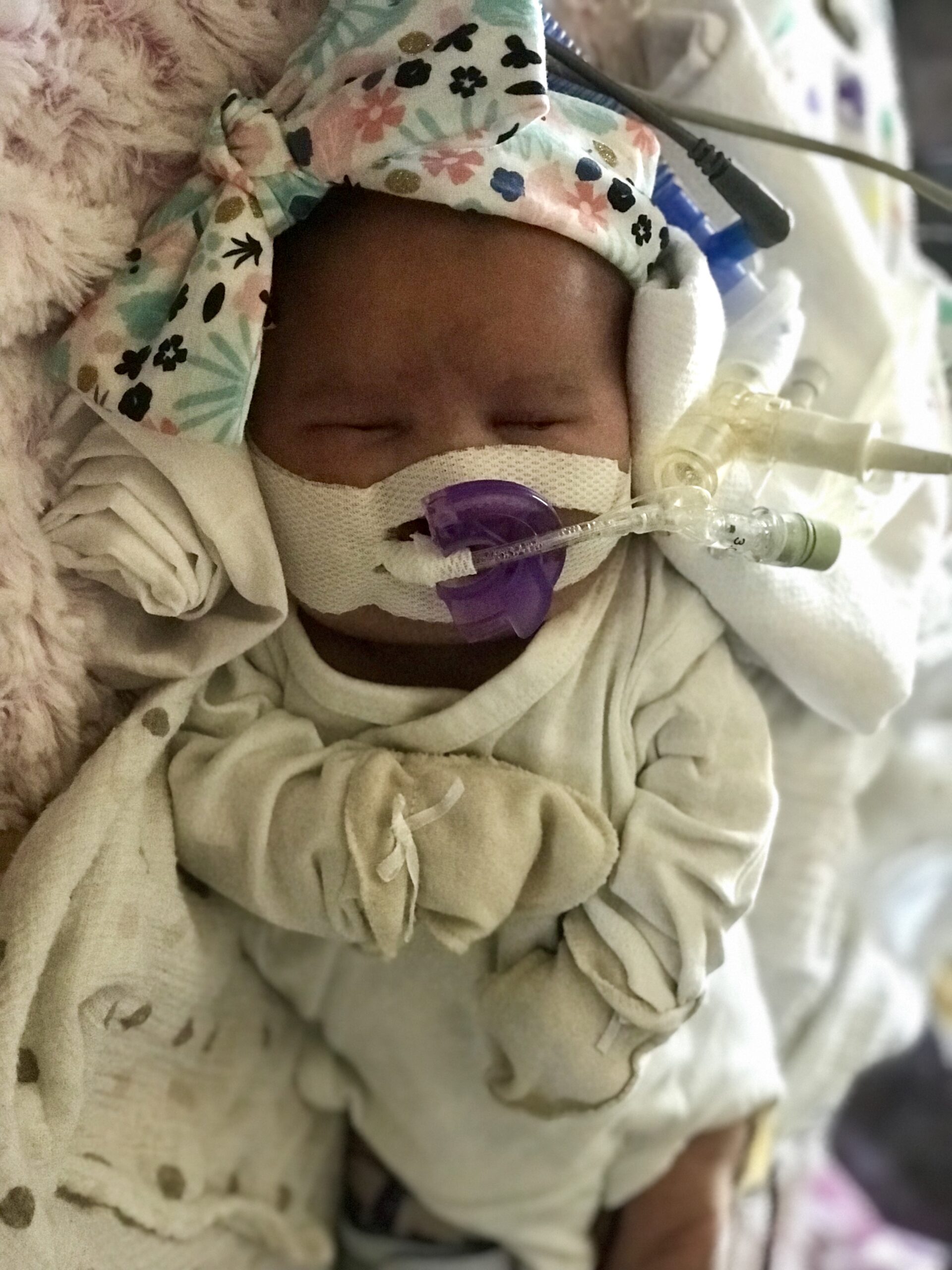
Izzy in the NICU during her early months of care in Omaha
A transfer to a Chicago area hospital for continued care brought a jarring shift in tone. The first team to greet them at the new hospital was palliative care, opening with a conversation about a DNR even though Izzy was stable. It was the same incompatible with life framing they had heard at the very beginning, despite everything Izzy had already overcome.
Standing Their Ground
Colton's advice to other families facing pushback from a medical team: ask what the plan would be if the diagnosis were removed from the conversation entirely. If your daughter's kidney is blocked, ask how they would unblock it, the same as they would for any other child. Separating the problem from the diagnosis changes the conversation.
Life With Izzy Today
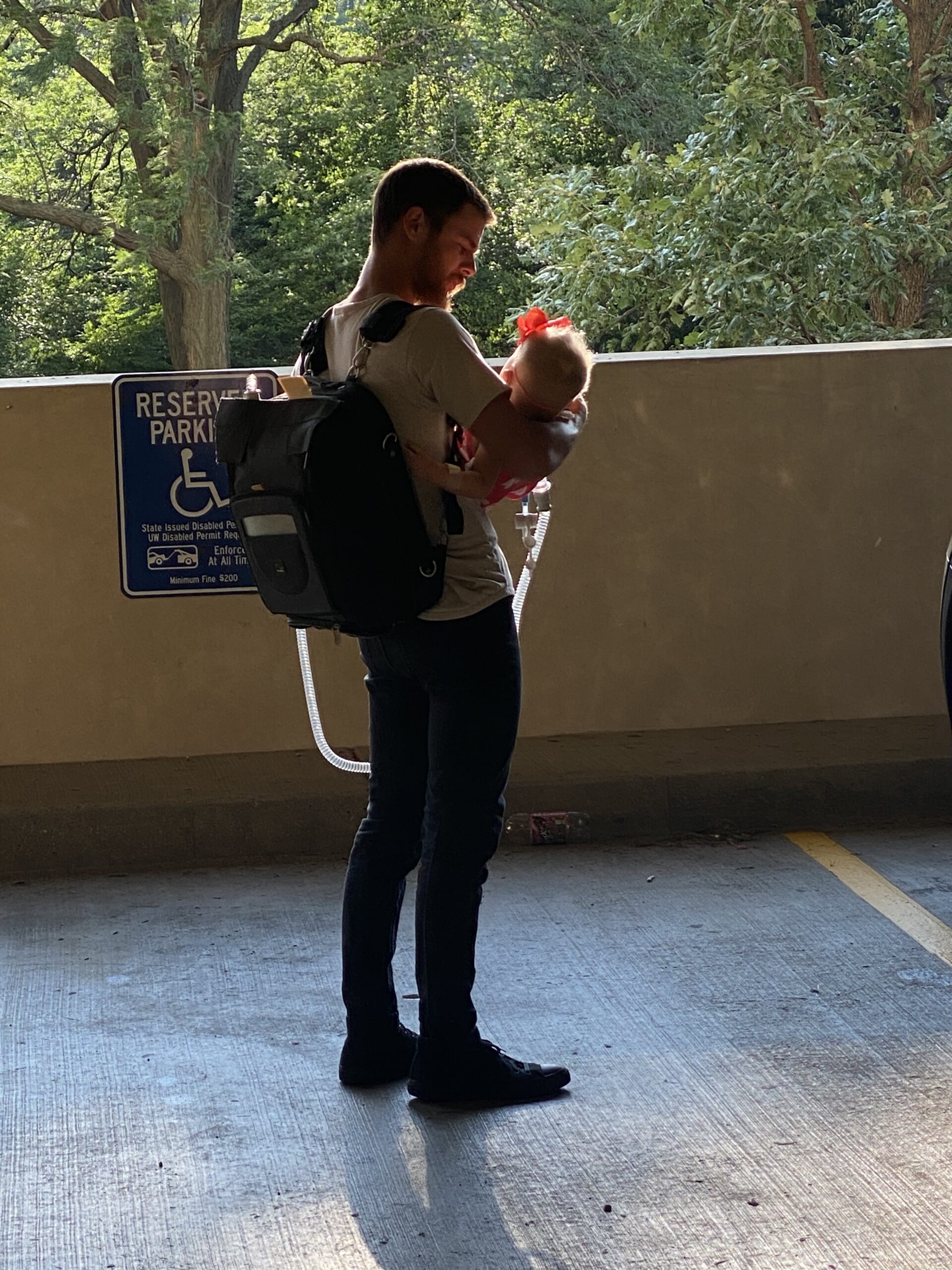
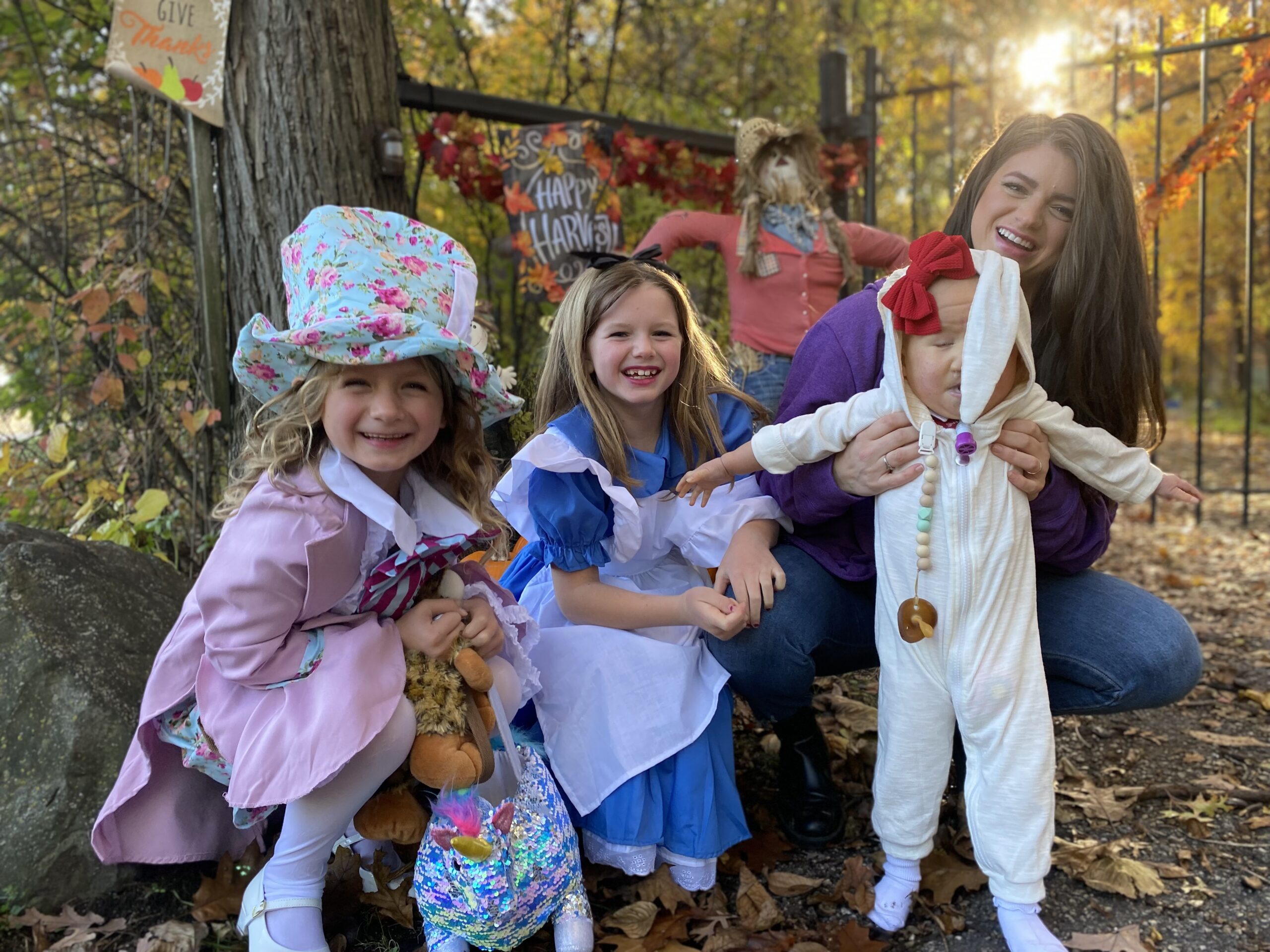
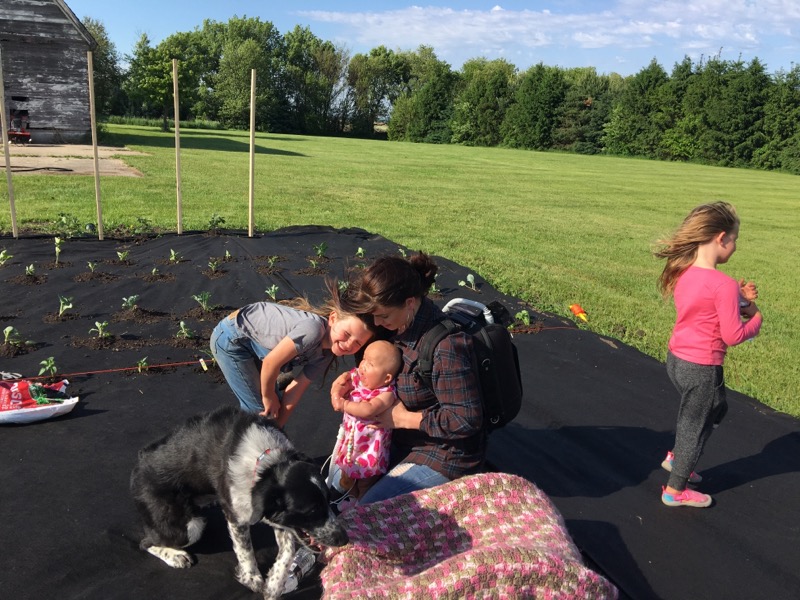
Seven years later, Izzy is home, thriving, and inseparable from her sisters. The Farmers describe a family that has grown closer, more communicative, and more grateful through the experience, not despite it. Small moments, a smile, a trip to the beach, a walk downtown, have become the moments that matter most.
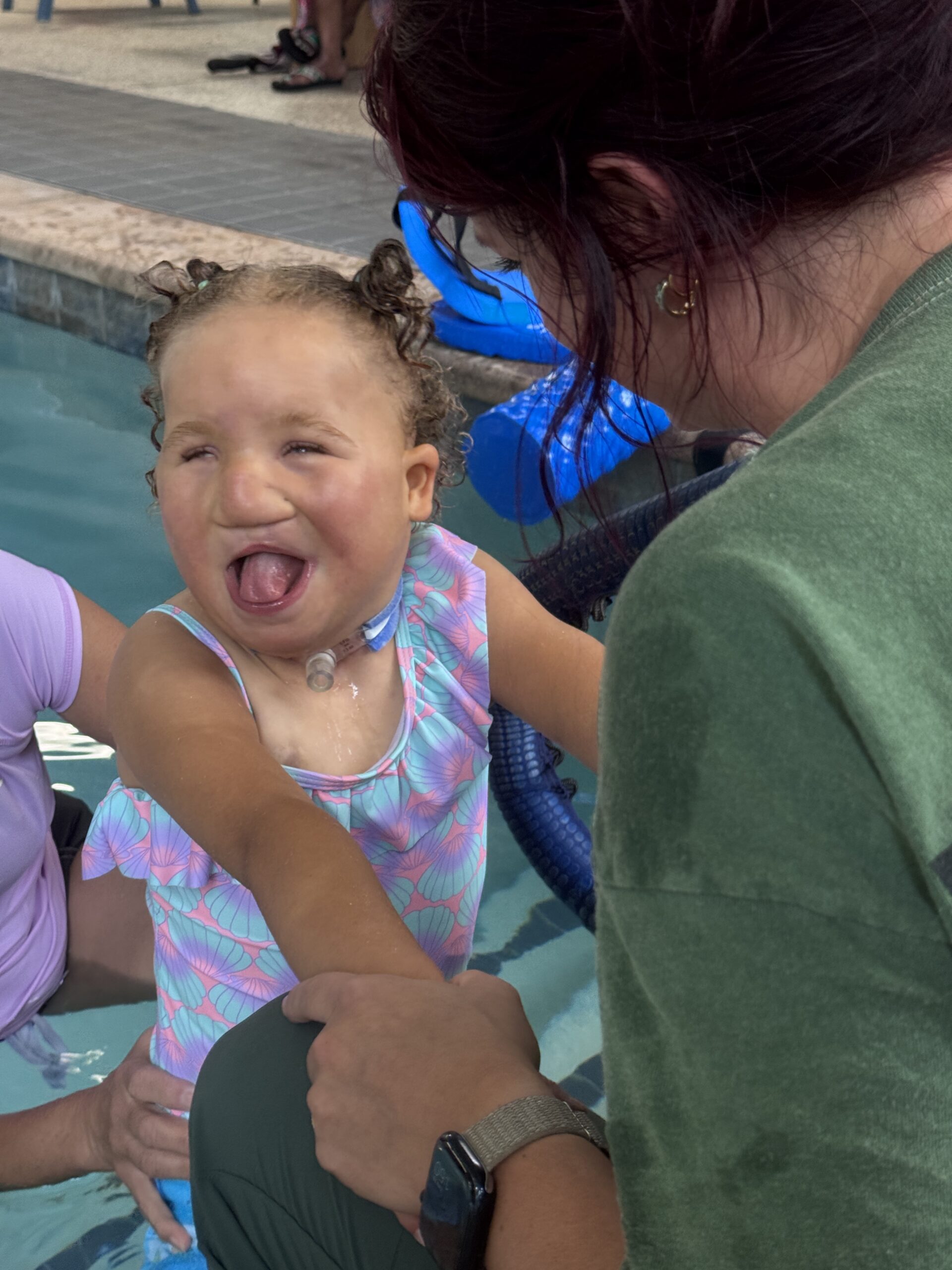

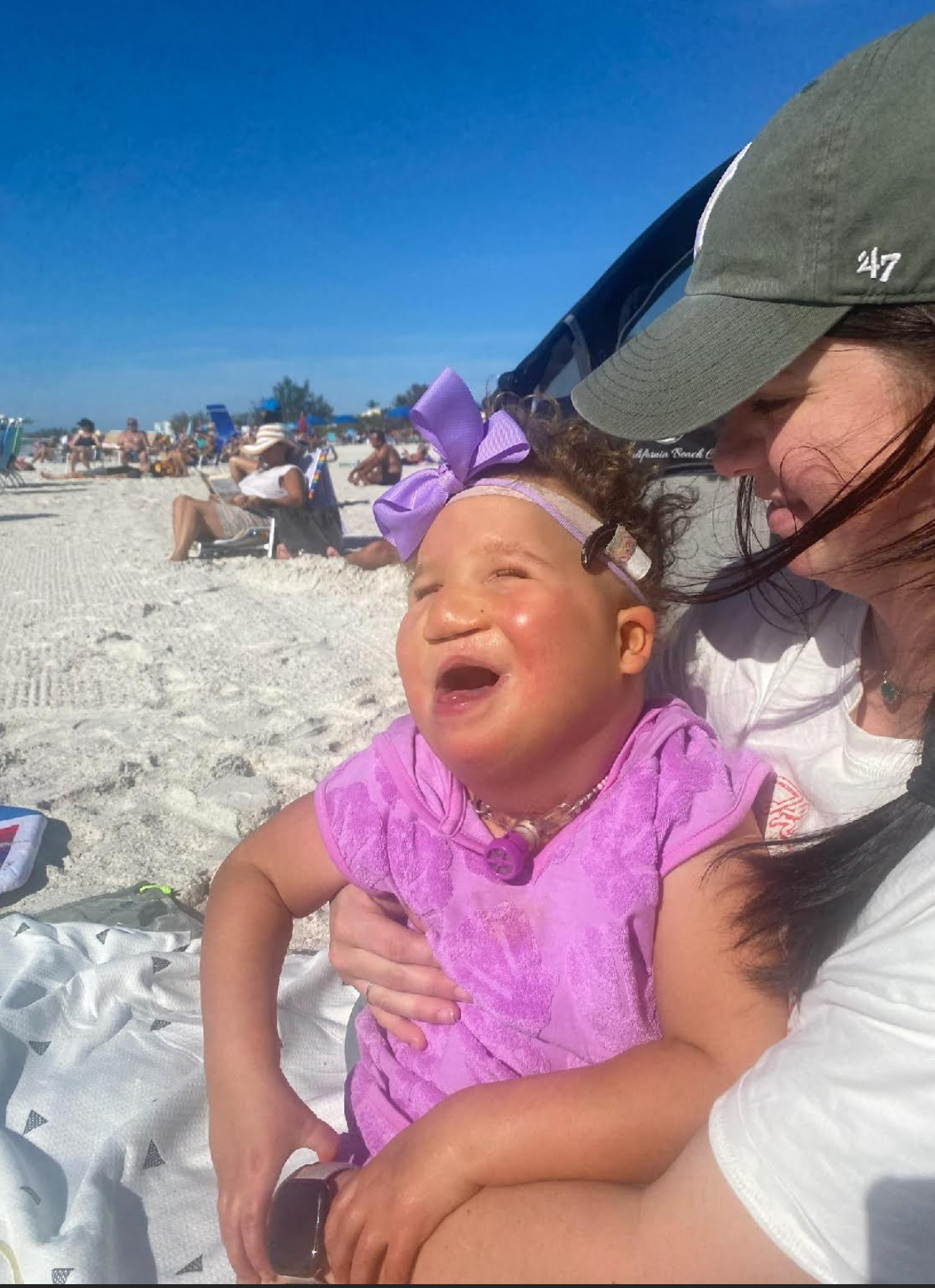
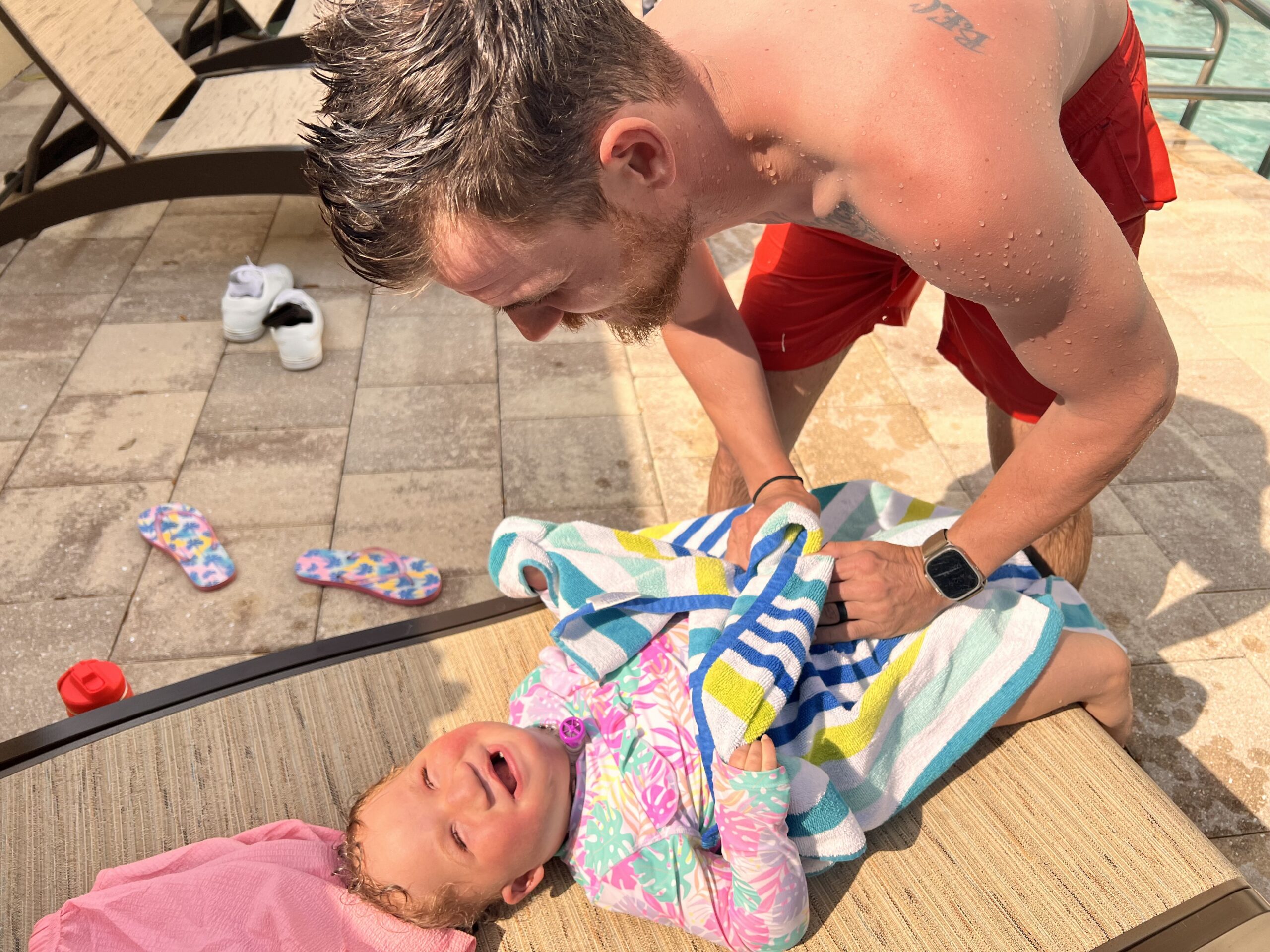
Asked what they want the world to carry from Izzy's story, Kailey put it simply: being different does not make someone less worthy of love, time, or affection. Every child deserves the opportunity of life.
Trisomy 13 New & Expectant Parent Book
Diagnosis specific, family centered information for parents navigating a new Trisomy 13 (Patau syndrome) diagnosis.
Get the Book →For Medical Professionals
Resources for genetic counselors, neonatologists, and clinicians supporting families with a new Trisomy 13, Trisomy 18, or Trisomy 9 diagnosis.
Visit the Page →More Episodes
Hear more family stories and clinical conversations on the Talking Trisomy podcast.
Listen Now →





Recent Comments