
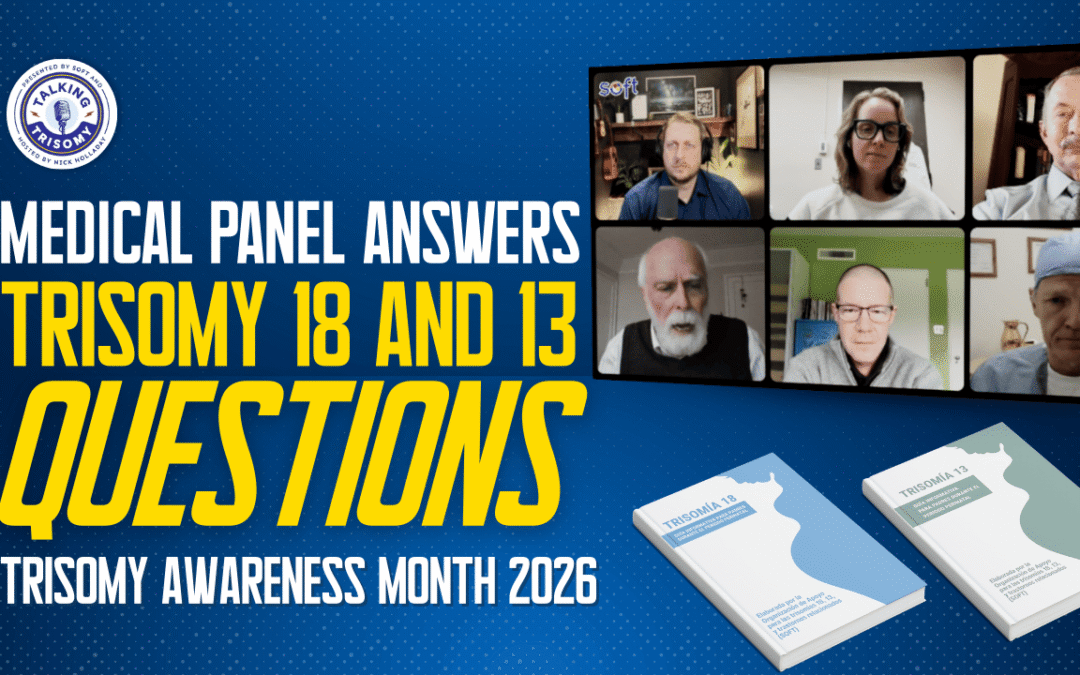
Trisomy Awareness Month: Medical Panel Answers Family Questions
As part of Trisomy Awareness Month 2026, Talking Trisomy convened a panel of experienced clinicians to address questions submitted by families navigating trisomy 13 and trisomy 18.
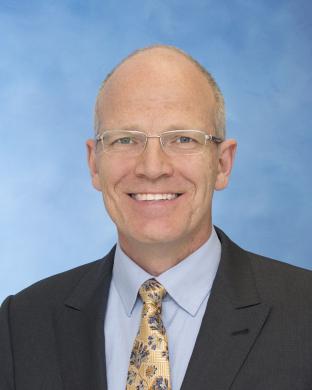
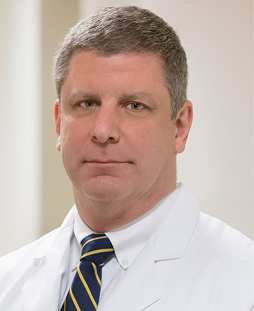
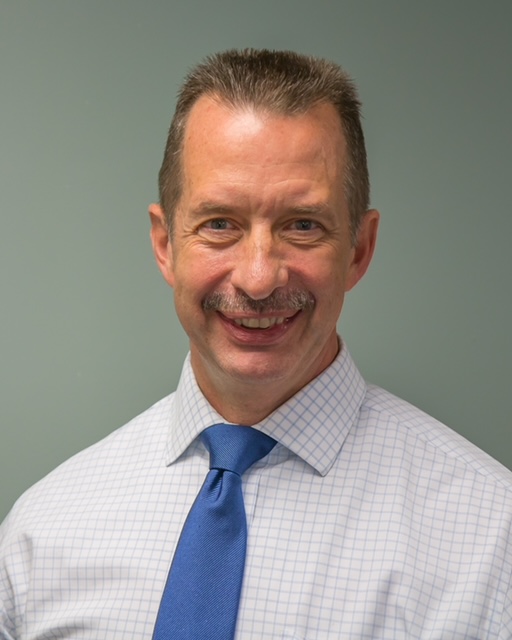
Hosted by Nick Holliday and co-hosted by Dr. John Carey, this discussion brings together members of SOFT’s medical community, including Dr. James Hamill, Dr. Katya Kosiv, Dr. Glenn Green, and Dr. Marty McCaffrey. The format centers on family-submitted questions, with the panel engaging in a more in-depth, conversational exchange than a traditional interview.
For readers seeking foundational information, additional context can be found here:
Trisomy 13 overview: https://trisomy.org/trisomy-13/
Trisomy 18 overview: https://trisomy.org/trisomy-18/
Panel Format and Scope
The discussion is structured around real clinical questions submitted by families, allowing for a multidisciplinary exploration of current practices and areas of uncertainty. Rather than offering isolated responses, the panel engages collaboratively—often building on one another’s perspectives to clarify both clinical reasoning and variability in care.
As noted at the outset, participants were encouraged to “go a little deeper,” which resulted in a more nuanced discussion reflective of real-world decision-making.
Clinical Topics Addressed
The panel addresses a range of topics relevant to both trisomy 13 and trisomy 18, including:
Long-term cardiac management, including pulmonary valve replacement and catheter-based interventions
Cervical spine instability and considerations for screening
Tumor surveillance protocols, including renal ultrasound and alpha-fetoprotein (AFP) monitoring
Genetic recurrence, parental testing, and mechanisms of non-disjunction
Mosaicism and limitations in diagnostic classification
Anesthesia risk, airway considerations, and procedural planning
Several discussions highlight how management decisions are influenced not only by diagnosis, but by individual clinical presentation, available resources, and evolving institutional practices.
Anesthesia and Procedural Considerations
The panel discusses anesthesia risk in medically complex children, particularly those with trisomy 18. Emphasis is placed on appropriate setting and expertise.
As Dr. Glenn Green noted:
“No kid with Trisomy 18 should get an anesthetic in a dental office or in a surgery center.”
This reflects broader considerations around airway anatomy, perioperative risk, and the importance of pediatric subspecialty care. At the same time, the panel underscores that necessary procedures can be performed safely when appropriate precautions are in place.
Emerging Clinical Questions
As survival improves, clinicians are encountering clinical scenarios that have been less well characterized in the literature. These include orthopedic findings, cervical spine abnormalities, and longer-term surveillance considerations.
Dr. Marty McCaffrey observed:
“We just know so little about their natural history that we’re going to be finding things along the road here that we may not recognize initially.”
This reflects an ongoing need for observation, documentation, and shared learning across institutions and families.
Role of Family-Driven Inquiry
A consistent theme throughout the discussion is the role of families in shaping clinical understanding. Many of the questions addressed in this panel reflect patterns or concerns first identified by caregivers.
Dr. James Hamill noted:
“They’re doing all the hard work and they’re teaching us about this condition as we go along.”
This dynamic continues to inform both clinical practice and research priorities.
Looking Ahead
This panel was recorded in recognition of Trisomy Awareness Month and in honor of individuals and families impacted by trisomy 13 and trisomy 18.
SOFT plans to continue these discussions throughout the year, including future panels and an in-person session at the annual SOFT Conference.
Listen / Watch the Episode
🎧 Spotify: https://open.spotify.com/episode/7cJIeeVif7npAz0nBwe54H?si=wvBKZwvaRQ6TStU7tK1VPg
📺 YouTube: https://youtu.be/I3REU1UozV0
If this episode was meaningful to you, please share it with another family, provider, or friend. Every shared conversation helps expand understanding, strengthen support, and continue changing the narrative for trisomy 13, trisomy 18, and related disorders.
If you are looking for more information or support, we encourage you to explore SOFT’s resources or connect with other families who understand this journey.





Recent Comments