
How One Hospital Team Is
Changing the Narrative
for Trisomy 18 and Trisomy 13
A conversation with Dr. Natasha Henner and Grace Knowles from the Lurie Children's Hospital Trisomy Care Collaborative
When a family receives a prenatal diagnosis of Trisomy 18 (Edwards syndrome) or Trisomy 13 (Patau syndrome), they are often met with outdated statistics, conflicting information, and a healthcare system that was not designed to support the complex needs of their child. That is starting to change.
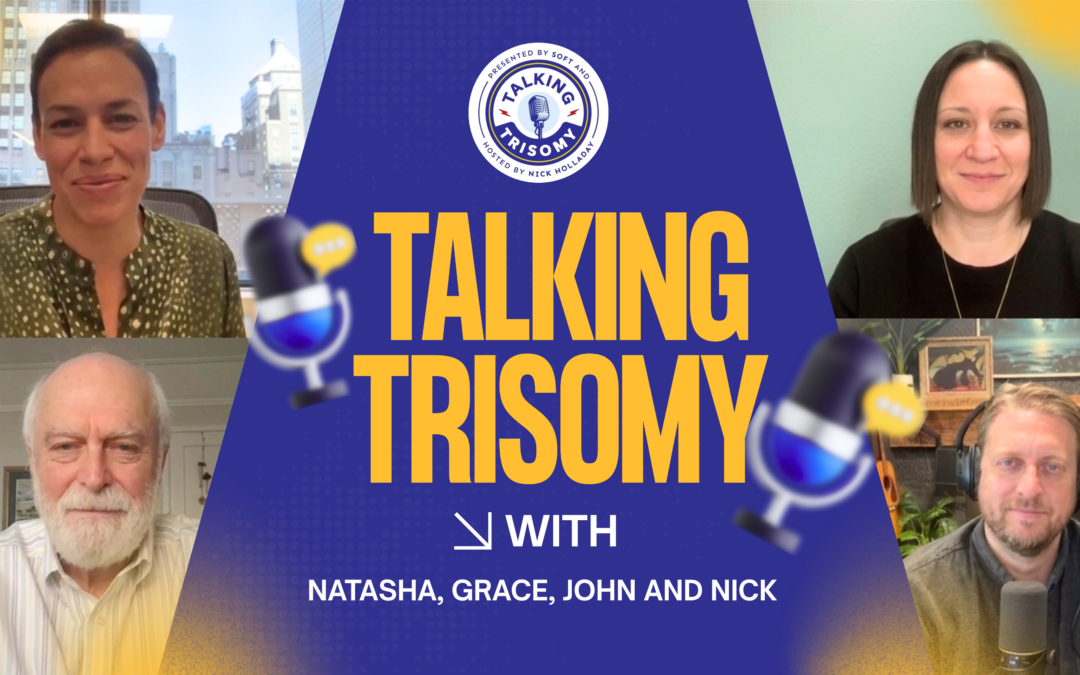
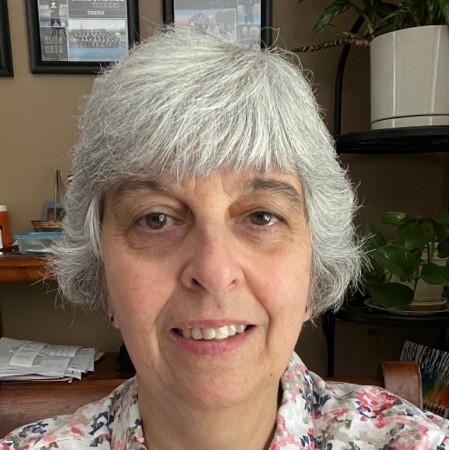
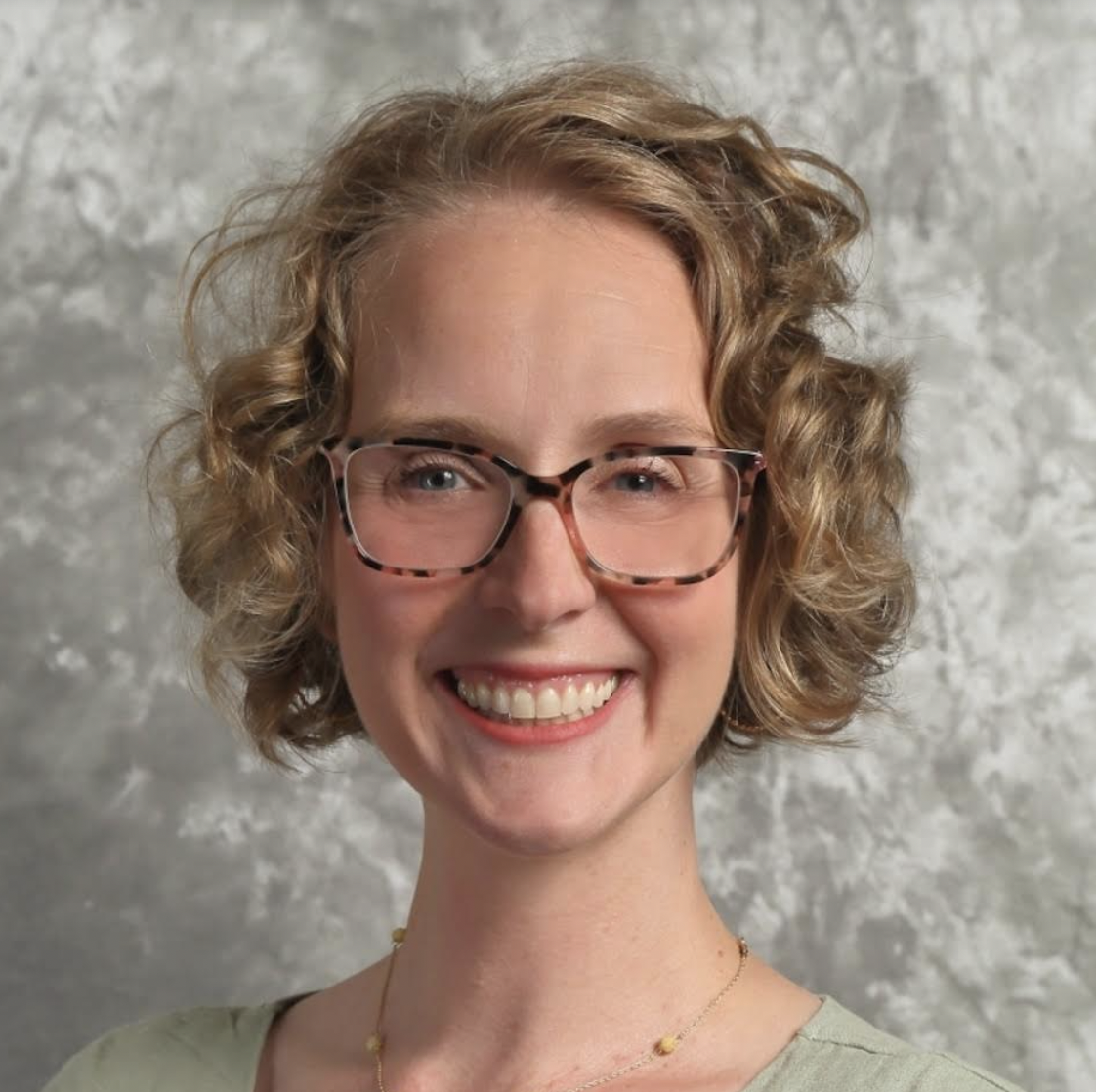
In this episode of the Talking Trisomy podcast, brought to you by SOFT (Support Organization for Trisomy 18, 13, and Related Disorders), we sat down with two extraordinary clinicians who are rebuilding how hospitals care for families navigating a trisomy diagnosis. Dr. Natasha Henner and Grace Knowles lead the Trisomy Care Collaborative (TCC) at Ann and Robert H. Lurie Children's Hospital of Chicago — one of the most comprehensive, multidisciplinary trisomy programs in the country.
Listen to This Episode
Talking Trisomy Podcast — Dr. Natasha Henner & Grace Knowles
Who This Episode Is For
This episode is especially valuable if you or someone you love has received a diagnosis of any of the following conditions:
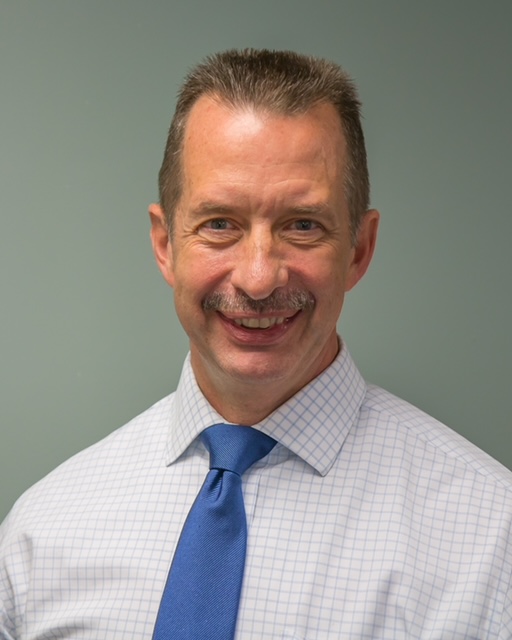
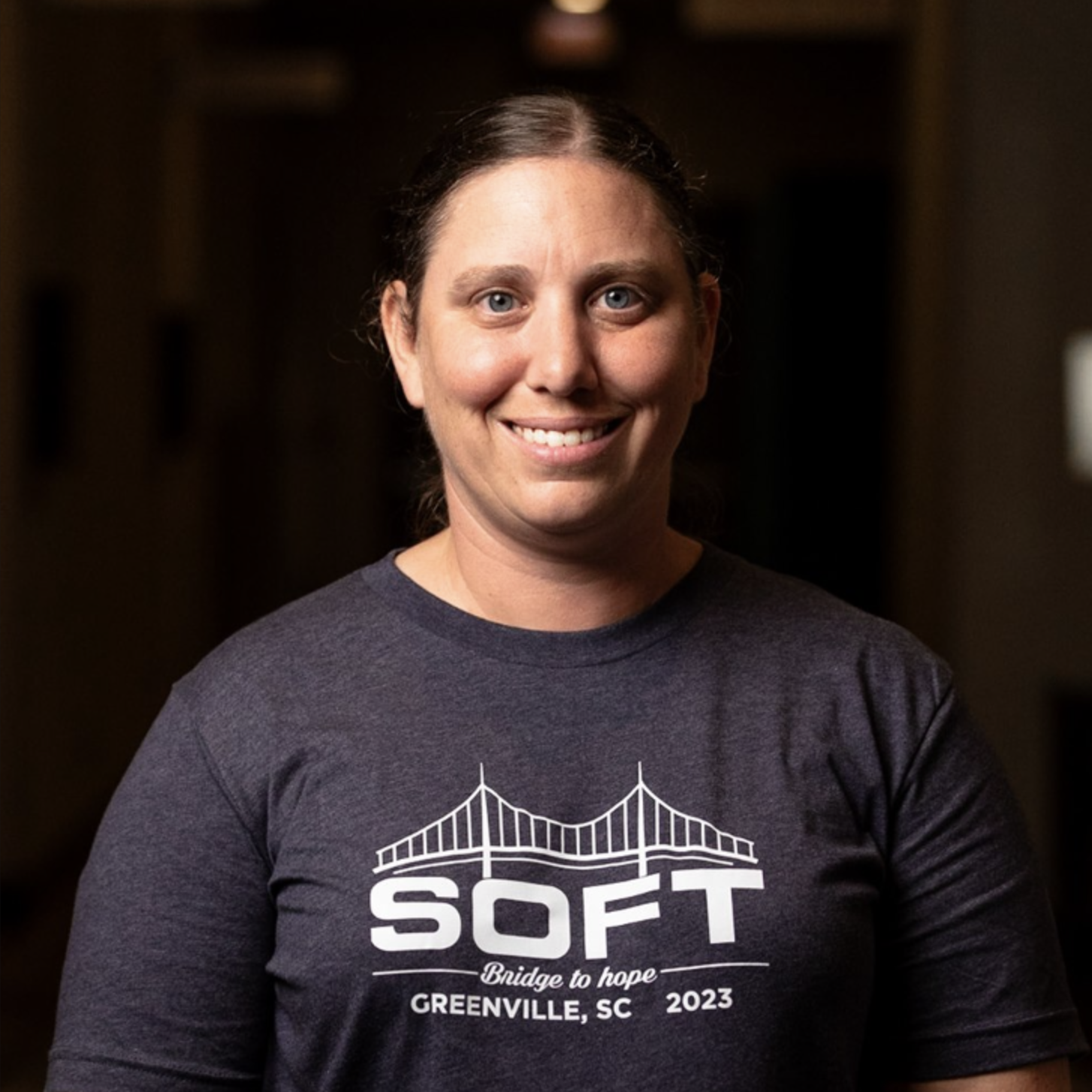
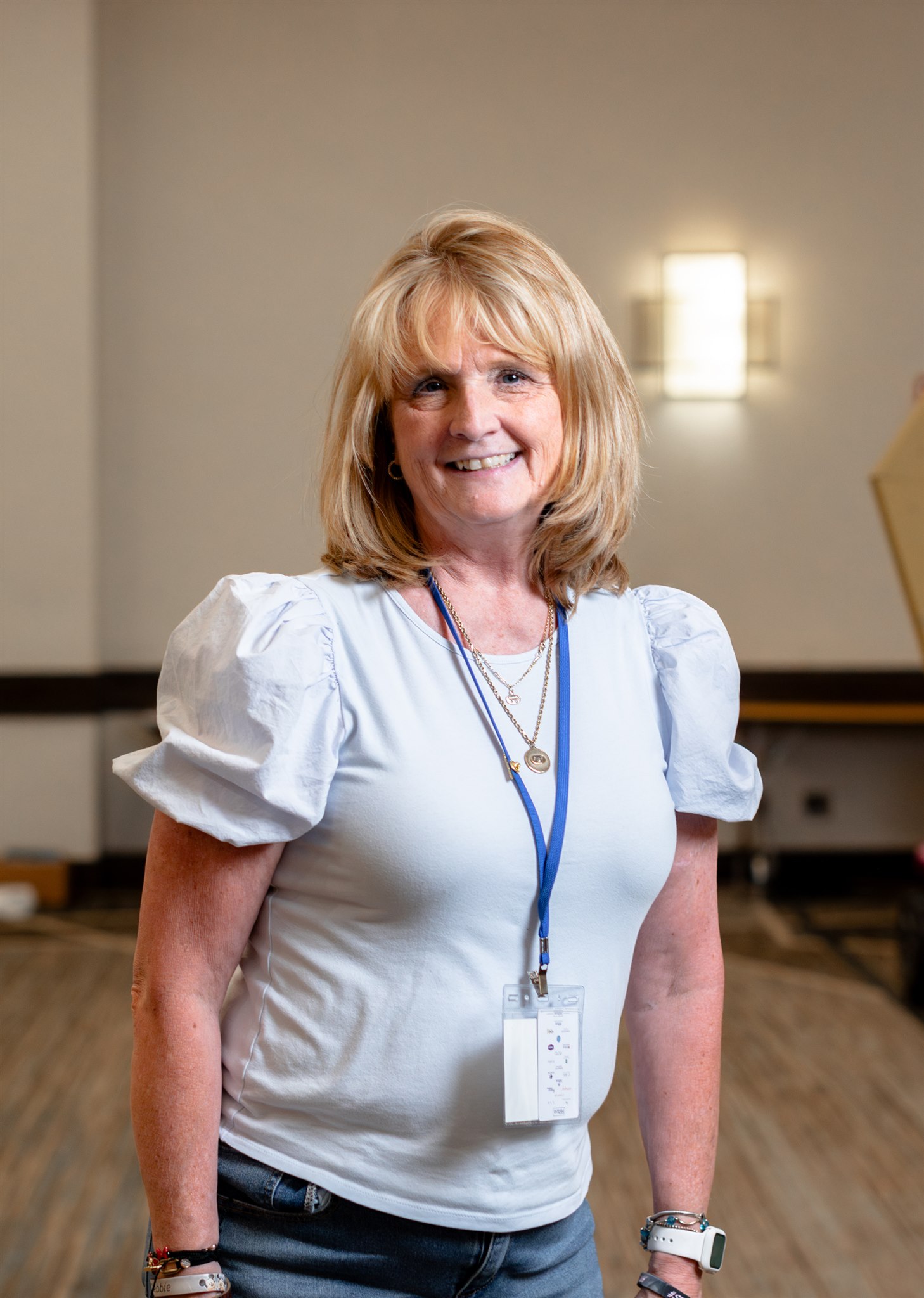
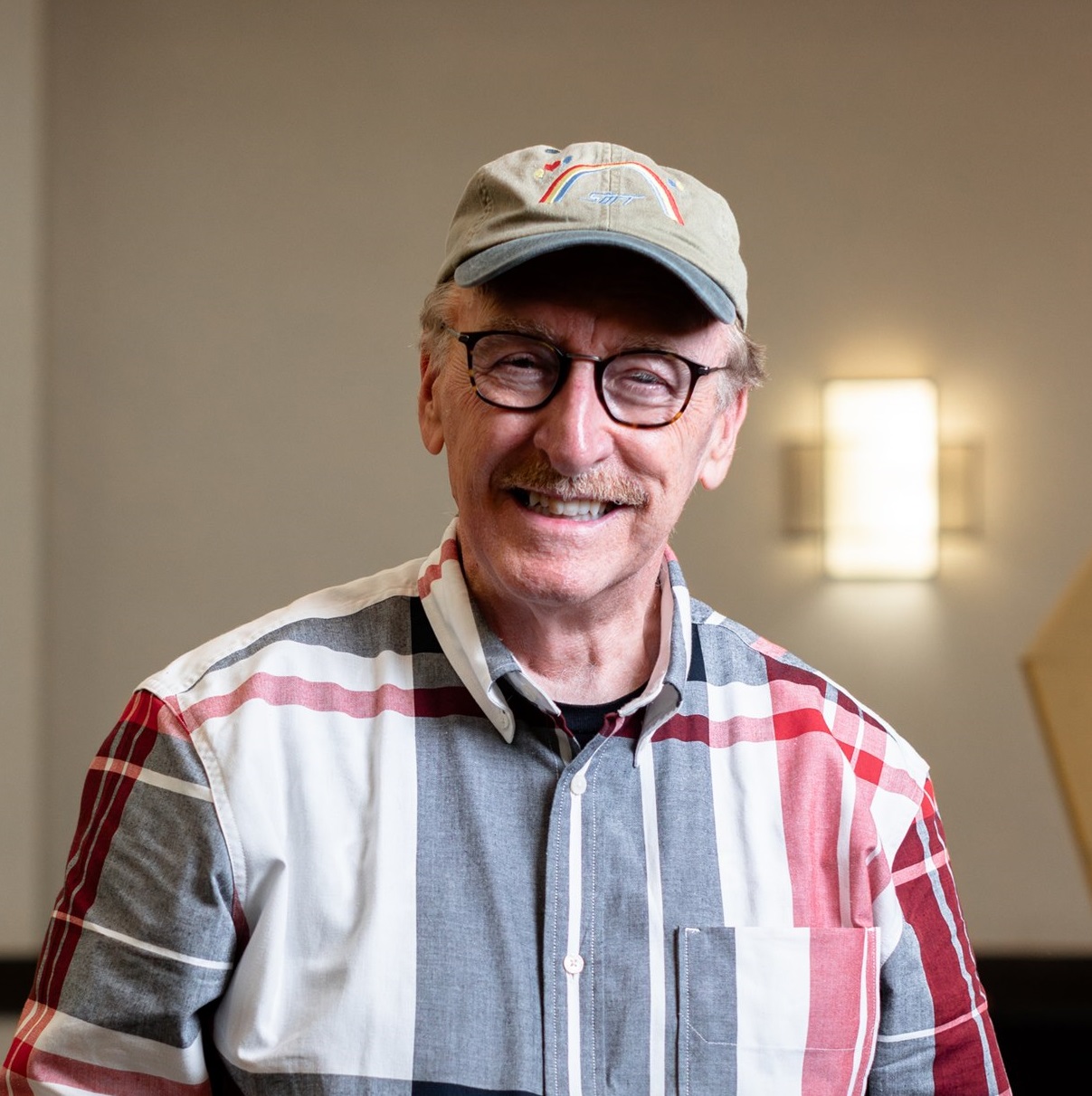
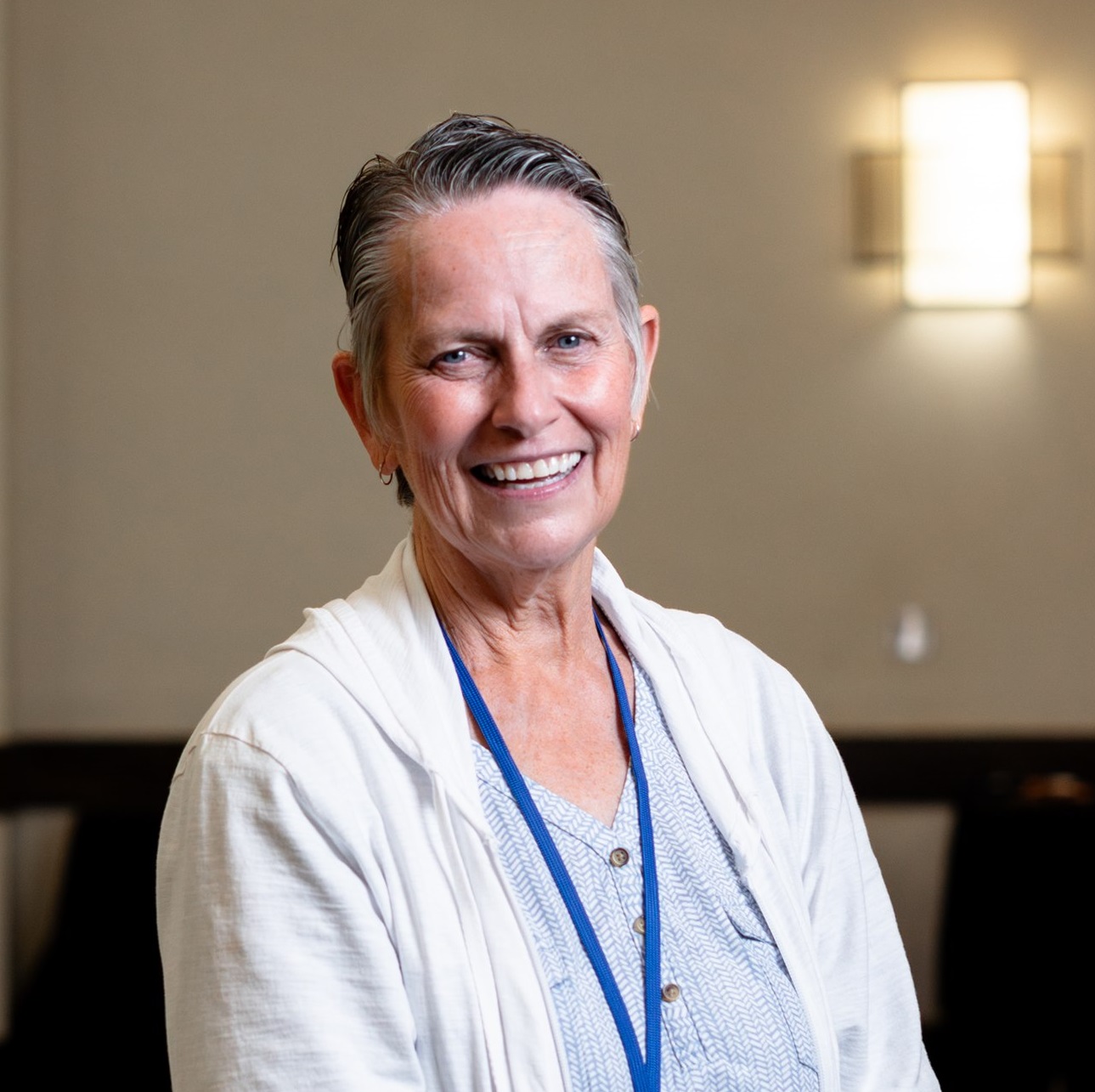
Meet the Experts
These two clinicians are leading some of the most meaningful work happening in trisomy care today.
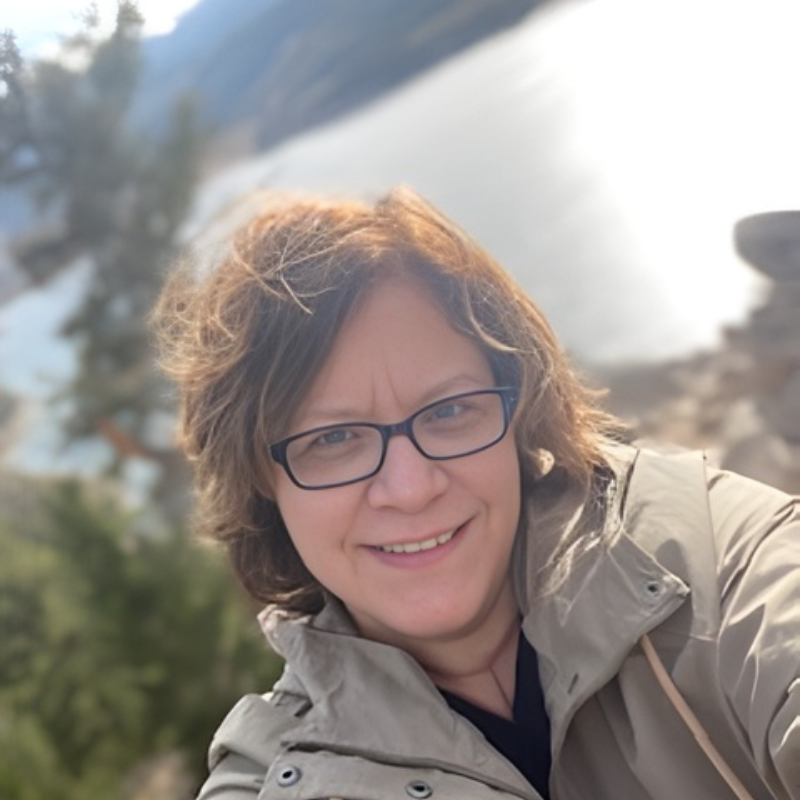
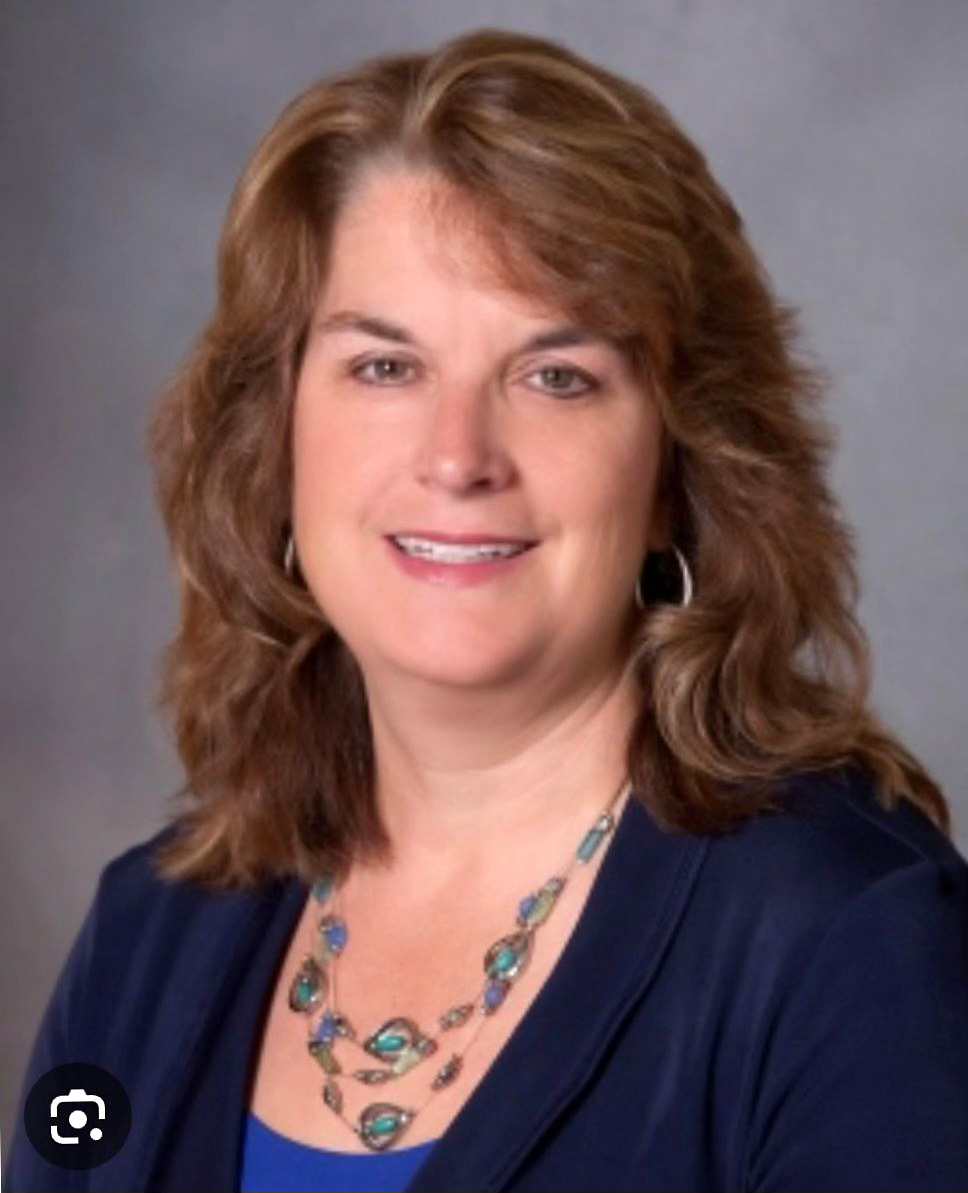
Co-founder, Lurie Trisomy Care Collaborative (2023)
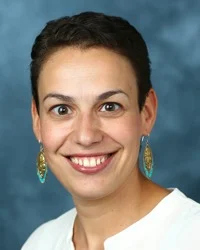
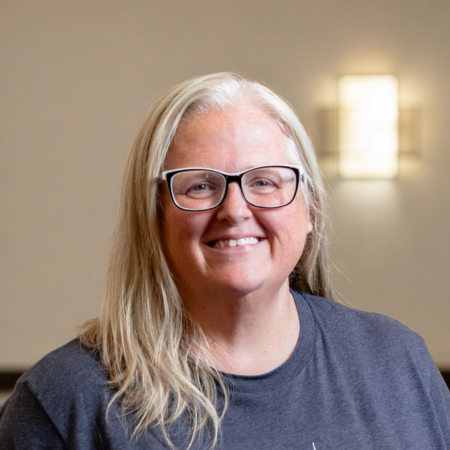
Co-founder, Lurie Trisomy Care Collaborative (2023)
Together, they co-founded the Lurie Children's Trisomy Care Collaborative in 2023 — a truly multidisciplinary effort with participation from every major medical and surgical specialty at Lurie Children's. The TCC's focus is on improving access, communication, and care logistics both prenatally and postnatally for families facing a trisomy diagnosis, regardless of what care pathway they ultimately choose. The program began with a prenatal and neonatal focus, where the need was clearest, with the goal of expanding to support older children over time.
Why Trisomy 18 and Trisomy 13 Needed Their Own Dedicated Team
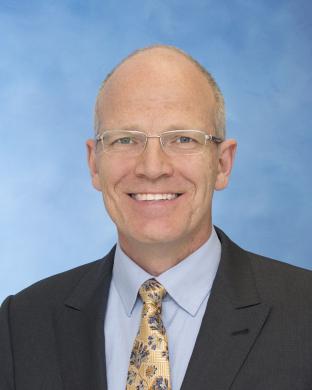
One of the first questions Dr. John Carey posed in this conversation was: why focus specifically on Trisomy 13 and Trisomy 18? Why not other complex conditions?
Dr. Henner's answer was both clear and honest. While many complex pediatric conditions already had dedicated multidisciplinary programs at Lurie — spina bifida, single ventricle heart disease, skeletal dysplasias — Trisomy 18 and Trisomy 13 did not. Families were navigating a fragmented system. Teams were working in silos. Critical medical evaluations were being delayed or skipped altogether.
"The focus of those meetings was not on medical care — it was on the social care. And I remember thinking, goals of care? We know their goals of care. They keep telling us every time she fails an extubation attempt."
Dr. Natasha Henner, describing a case that inspired the TCCShe recalled a baby with prenatally diagnosed Trisomy 18 who had been intubated for four months with multiple failed extubation attempts, a large heart defect, and significant gastrointestinal challenges. No one had performed an airway evaluation. When Dr. Henner finally asked the ENT team about it, their response was simple: no one had asked before.
That moment crystallized everything. Children with Trisomy 18 and Trisomy 13 are just as medically complex as children with any other rare condition. They deserve the same coordinated, proactive, multidisciplinary approach.
The Narrative Around Trisomy 18 (Edwards Syndrome) and Trisomy 13 (Patau Syndrome) Is Changing
For decades, families who received a prenatal diagnosis of Trisomy 18 or Trisomy 13 were often given a single, grim prognosis: these babies do not survive. While the conditions are serious, that framing is increasingly recognized as incomplete — and harmful.
Starting around 2016 and 2017, a series of landmark cardiac surgery studies — many led by physicians in Japan and later replicated in the United States — demonstrated that surgical intervention for children with Trisomy 18 and Trisomy 13 could lead to meaningful survival and quality of life. The data changed everything.
Dr. Henner put it this way: once you start doing something, the outcomes can be different. Not for every child — but for some. And those cases matter. A five-year-old with Trisomy 18 who, by their parents' definition, is thriving cannot be ignored. The data has shifted. The narrative is following.
"We are truly standing on the shoulders of giants — the people who decided to collect the data, went through the work, probably had lots of challenges publishing it, because it was back in the day a pretty controversial thing to openly say."
Dr. Natasha HennerDr. Carey noted the pioneering work of researchers like Dr. Tomiko Koshio in Japan, who in 2006 published data showing survival in babies with full trisomy through intensive care — even before cardiac surgery was widely available. That paper, co-published with an editorial by Dr. Carey himself, helped shift what physicians believed was possible.
How the Trisomy Care Collaborative Actually Works
The TCC is not just a philosophy — it is a structured program with clear processes, regular meetings, and dedicated champions from every relevant medical specialty.
How the TCC Supports Families
- Prenatal fetal counseling with up to 12 specialists in the room at once — genetics, cardiology, maternal-fetal medicine, palliative care, surgery, and more
- A pre-meeting before every family consultation where the team aligns on medical facts, names uncertainties, and agrees on messaging
- Monthly review meetings where every current trisomy patient's care plan is discussed and updated
- Proactive screening for bone health, seizures, tumor risk, and airway challenges — based on established clinical guidelines
- Second opinions for families whose babies are receiving care at other institutions
- Spanish-language resources now available, with additional languages in development
Grace Knowles described what this means in practice: she maintains an active patient list of every trisomy child being cared for at Lurie. Before monthly meetings, she prepares a summary for each child — weight gain, age, pending screenings, respiratory status, feeding progress, and outstanding questions for the care team.
The result is a system where nothing falls through the cracks. When a baby with Trisomy 18 fails extubation, an airway evaluation follows within weeks — not months, and not after five more failures.
Non-Directive, Family-Centered Decision Support
One of the most powerful threads throughout this conversation is how the TCC approaches decision-making with families. Whether a family is leaning toward intensive medical intervention, perinatal hospice, or is somewhere in between, the team meets them exactly where they are.
Grace Knowles described the approach beautifully: before any information is shared, the team asks questions. Where did you find your information? What have you already heard? What matters most to you and your family? Only then does the team begin to layer in medical context — and always within the framework of the family's own values.
"There is no wrong decision when you take in all the information and you pair that with what matters most to you and your family."
Grace Knowles, Perinatal Palliative Care NP, Lurie Children'sDr. Henner was equally direct: if a family comes in saying "my baby is a survivor" — the team does not try to redirect them. They meet that goal and build a plan around it. If a family comes in exhausted and looking for permission to choose comfort care — the team validates that loving choice without judgment.
This non-directive approach is not just compassionate. It is effective. Families who feel heard and respected are better able to process information, make decisions they can live with, and maintain trust in their care team over the long arc of a child's life.
Understanding the Difference: Palliative Care vs. Hospice for Trisomy Families
A parent who helped review the TCC's family guide flagged something important: many families confuse palliative care with hospice. The distinction matters enormously — especially for families navigating Trisomy 18 or Trisomy 13.
Palliative care is an added layer of support focused on helping your child live the best possible life given a serious medical diagnosis. It does not mean stopping treatment. It runs alongside active medical care and supports the entire family through complex decisions.
Hospice care is care focused specifically on end of life. It centers comfort, dignity, and time with family. It is not about hastening death — it is about honoring the natural progression of illness with love and intentionality.
Both are valid. Both are offered without judgment. And understanding the difference helps families make informed choices about what kind of support they actually want.
What the TCC Means for Families Outside Chicago
Not every family affected by Trisomy 18, Trisomy 13, or related rare chromosome disorders lives near a major pediatric hospital. This is one of the realities that makes the work of programs like the TCC so important — and why sharing knowledge widely matters.
Dr. Henner noted that medical education happens through experience. An ENT resident who has seen children with Trisomy 18 undergo tracheostomy, recover, and go home on a ventilator carries that knowledge with them. When they later hear a colleague say "these kids never survive," they know better. They push back. Slowly, the narrative shifts in every institution they pass through.
The TCC also offers second opinions for families whose children are receiving care at other hospitals. Sometimes those letters lead the local team to try interventions they previously declined. Sometimes a child who was not expected to survive goes home.
"Please be patient, ask questions, and research. It's not universally known yet — and it may not be in your backyard and it may not yet be known to your team of physicians."
Nick Holladay, President of SOFT, reflecting on the current state of trisomy careDownload the Trisomy Care Collaborative Family Guide
Dr. Henner and Grace Knowles developed a comprehensive family-facing resource in partnership with Lurie Children's that covers the full arc of a trisomy diagnosis — from prenatal screening to decision-making to the differences and similarities between Trisomy 13 and Trisomy 18.
SOFT is proud to make this guide available in both English and Spanish as an example of the kind of resources families deserve access to at every stage of their journey.
Access the TCC Family Guide
Available in English and Spanish — no login or email required.
What Is Next for the Trisomy Care Collaborative
Grace and Dr. Henner shared several exciting developments that are underway at Lurie Children's.
First, they are expanding the TCC into the pediatric ICU space. As more children with Trisomy 18 and Trisomy 13 survive their first year of life, they are returning to the hospital with ongoing complex needs. The PICU needs its own trisomy champions who understand the full arc of these children's lives.
Second, the team is exploring a peer-to-peer parent support program — carefully designed to be non-directive and trauma-informed, drawing on the full range of family experiences including pregnancy loss, perinatal hospice, and long-term survival.
Third, additional language translations of the TCC family guide are in development, recognizing that Spanish-speaking and other non-English-speaking families face significant additional barriers to accessing accurate information.
Key Takeaways from This Episode
- Trisomy 18 (Edwards syndrome) and Trisomy 13 (Patau syndrome) outcomes have meaningfully improved as medical teams begin applying the same coordinated care given to other complex conditions
- Multidisciplinary, team-based care reduces the burden on individual families and produces better medical decision-making
- The distinction between palliative care and hospice matters — and families deserve clear, compassionate explanations of both
- Non-directive counseling that meets families where they are leads to better trust and better outcomes for everyone
- The lived experiences of children with trisomy are actively changing how clinicians think, and that shift is spreading institution to institution
- Resources like the TCC Family Guide and SOFT parent books are available for free — no email required
About SOFT and the Talking Trisomy Podcast
SOFT — the Support Organization for Trisomy 18, 13, and Related Disorders — is the leading nonprofit serving families affected by Trisomy 18 (Edwards syndrome), Trisomy 13 (Patau syndrome), Trisomy 9, and related rare chromosome disorders. With a national community of nearly 4,000 registered member families, SOFT provides peer support, educational resources, and an annual conference that brings families and clinicians together.
The Talking Trisomy podcast features long-form conversations with clinicians, researchers, and advocates working at the front lines of trisomy care. Episodes are available on YouTube and Spotify.
Connect with SOFT
Find parent books, conference information, peer support, and the full Talking Trisomy podcast library at trisomy.org
Read the Full Blog Post






Recent Comments