
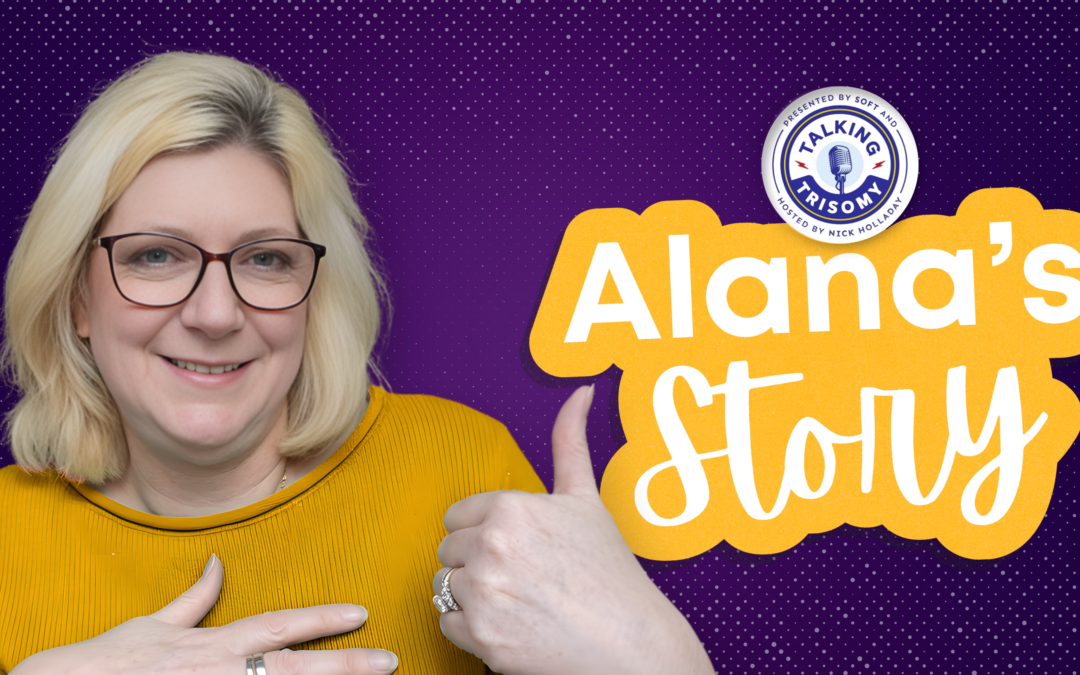
Talking Trisomy Podcast Highlights Real-Life Experiences with Trisomy 9
Families receiving a diagnosis of Trisomy 9 often face uncertainty, limited information, and many unanswered questions. Because Trisomy 9 is a rare chromosome condition, parents and healthcare providers may struggle to find reliable, experience-based guidance about what life can truly look like for a child and family living with this diagnosis.
In a recent episode of the Talking Trisomy Podcast, parent advocate Patty Walsh shares her family’s journey raising her daughter, Alana, who has Trisomy 9. Their story offers an important reminder: while the diagnosis may be rare, the experiences of love, growth, advocacy, and community are universal.
This conversation provides practical insight for newly diagnosed families, experienced caregivers, and medical professionals seeking a more complete understanding of life with Trisomy 9.
Watch the Full Episode
🎥 YouTube: https://youtu.be/3VUJXkwS8wo
🎧 Spotify: Click Here
What Is Trisomy 9?
Trisomy 9 occurs when there is an extra copy of chromosome 9 in some or all of a person’s cells. The condition can present in a wide range of ways, and no two individuals with Trisomy 9 are exactly alike. Some children may have complex medical needs, while others may develop skills and abilities that exceed early expectations.
Because the condition is rare, families often receive limited prognostic information at the time of diagnosis. This uncertainty can be emotionally challenging and may contribute to feelings of fear, isolation, or confusion.
To learn more about the medical and developmental aspects of this condition, visit our resource page:
👉 https://trisomy.org/trisomy-9/
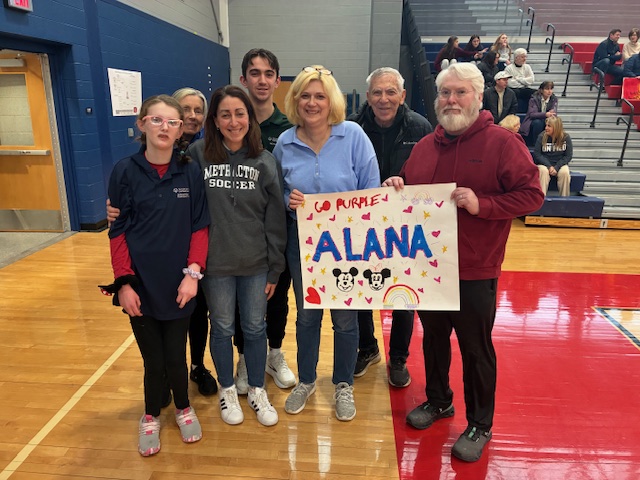
Alana with Mom, Dad, Aunt Lynne, cousin Alex and Grandmom and Pop Joanne and Frank
Finding the Right Medical Team Matters
One of the most consistent themes in Patty’s story is the importance of working with healthcare providers who are willing to listen, learn, and collaborate with families.
For many families navigating Trisomy 9, the relationship with a pediatrician or specialist becomes a cornerstone of long-term care. Providers who remain open to updated information and who partner with parents in decision-making can help families move from uncertainty toward confidence.
Parents can play an active role by:
- Sharing current educational materials with providers
- Seeking second opinions when needed
- Building a care team that values communication and collaboration
- Advocating for their child’s individual needs
These steps are not only practical — they are empowering.
Changing the Perception of Trisomy 9
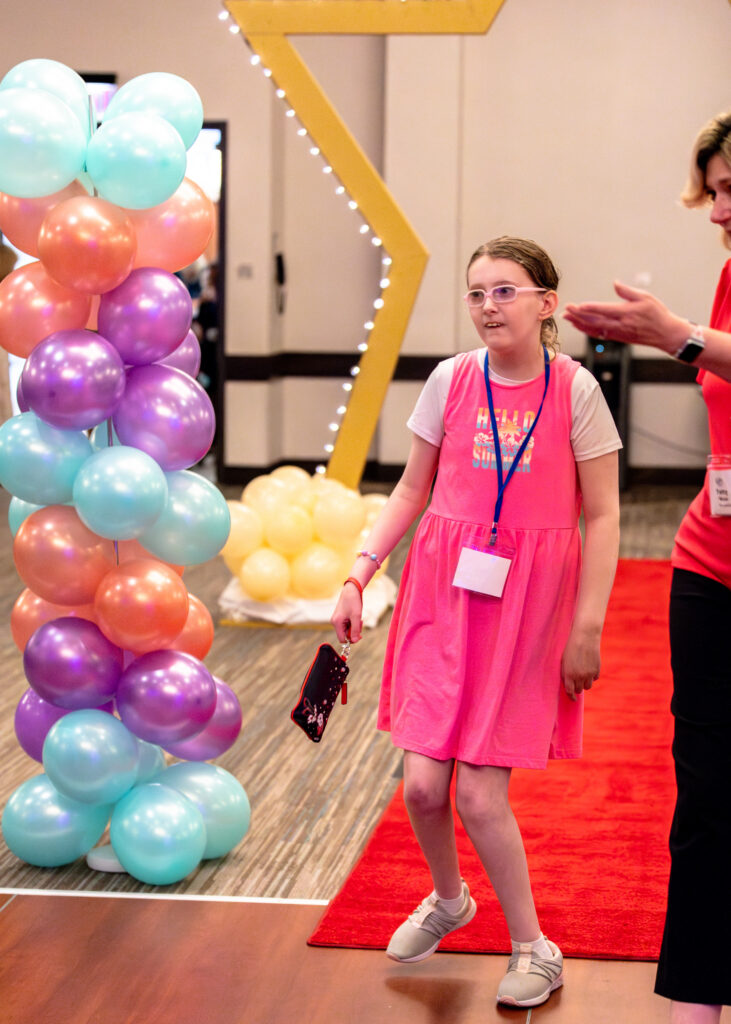
Alana at the Parade of Stars at the 2023 SOFT Conference
A powerful message from this podcast episode is that children with Trisomy 9 often become educators simply by living their lives.
When families, clinicians, educators, and community members interact with individuals who have Trisomy 9, they frequently discover that the reality of the condition is more nuanced than early predictions may suggest. Over time, lived experience can help shift assumptions and expand understanding.
Children like Alana demonstrate that:
- A diagnosis does not define a child’s potential
- Developmental progress can occur in unexpected ways
- Social relationships and community participation are possible
- Joy and purpose remain central to family life
These lived experiences are essential in helping both families and professionals develop a more balanced and informed perspective on rare chromosome conditions.

Vacation with Mom and Dad in Jan 2026
Looking Toward the Future
For many parents, one of the most pressing questions after a diagnosis of Trisomy 9 is:
“What will the future look like for my child?”
While outcomes vary widely, long-term planning often focuses on supporting independence, meaningful engagement, and quality of life. Families may explore options such as:
- Structured or supported employment
- Community-based programs and social opportunities
- Independent or supported living arrangements
- Ongoing medical and developmental support
Importantly, the future is not determined solely by diagnosis. It is shaped by relationships, resources, and the continued growth of each individual.
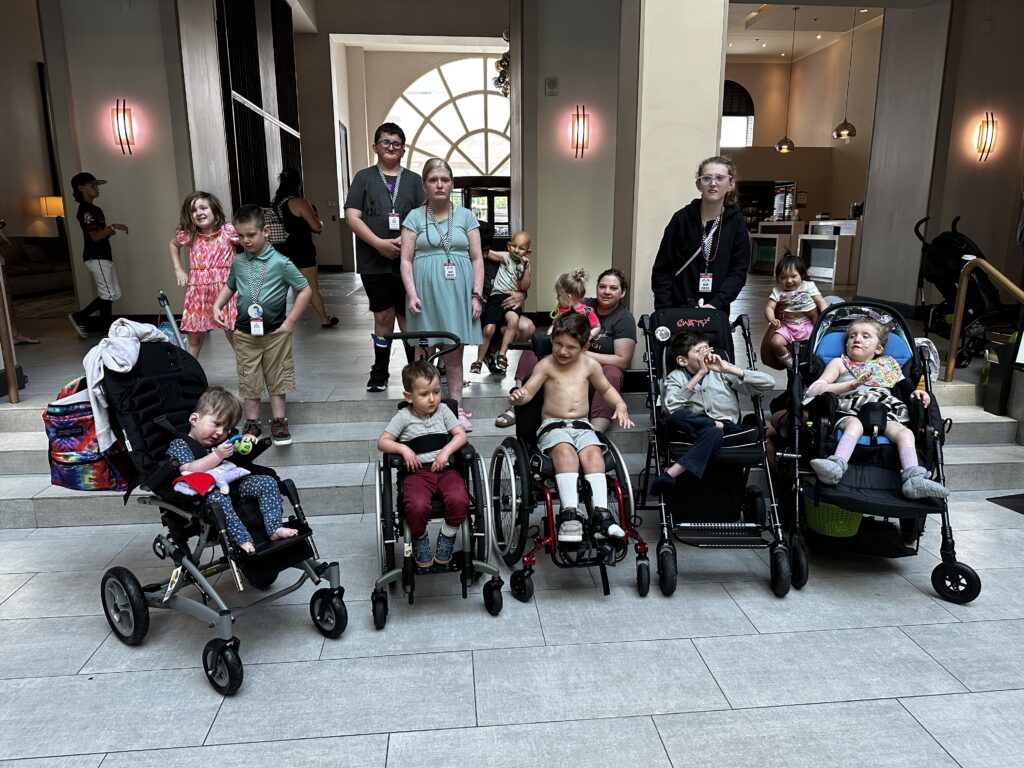
Trisomy 9 Families at the 2025 SOFT Conference
A Message for Newly Diagnosed Families
If you are a parent who has recently learned your child has Trisomy 9, it is normal to feel overwhelmed. Many families describe the early days after diagnosis as a period of uncertainty and emotional adjustment.
But you are not alone.
Across the world, families are raising children with Trisomy 9 and building lives filled with connection, resilience, and purpose. With time, support, and accurate information, many parents find that fear gradually gives way to confidence.
One of the most important steps you can take is to connect with other families who understand the journey.
About the Talking Trisomy Podcast
The Talking Trisomy Podcast shares real conversations about life with Trisomy 18, Trisomy 13, Trisomy 9, and other rare chromosome conditions. Each episode brings together parents, medical professionals, and advocates to discuss diagnosis, care, grief, hope, and long-term outcomes.
Our mission is to provide trusted information, practical guidance, and compassionate support for families and professionals navigating the trisomy journey.
Learn More and Find Support
For reliable information, family connections, and educational resources about Trisomy 9, visit:
👉 https://trisomy.org/trisomy-9/
You can also explore additional podcast episodes, family stories, and educational materials throughout the Trisomy.org website.


Alana at at the 2025 SOFT Conference



















Recent Comments