
Trisomy 18, Advocacy, and the Power of Informed Care
Receiving a prenatal diagnosis of Trisomy 18 (Edwards syndrome) often marks a sudden and disorienting shift for families. What begins as anticipation can quickly become a landscape of medical terminology, emotionally charged conversations, and urgent decision-making—often with limited time and incomplete information.
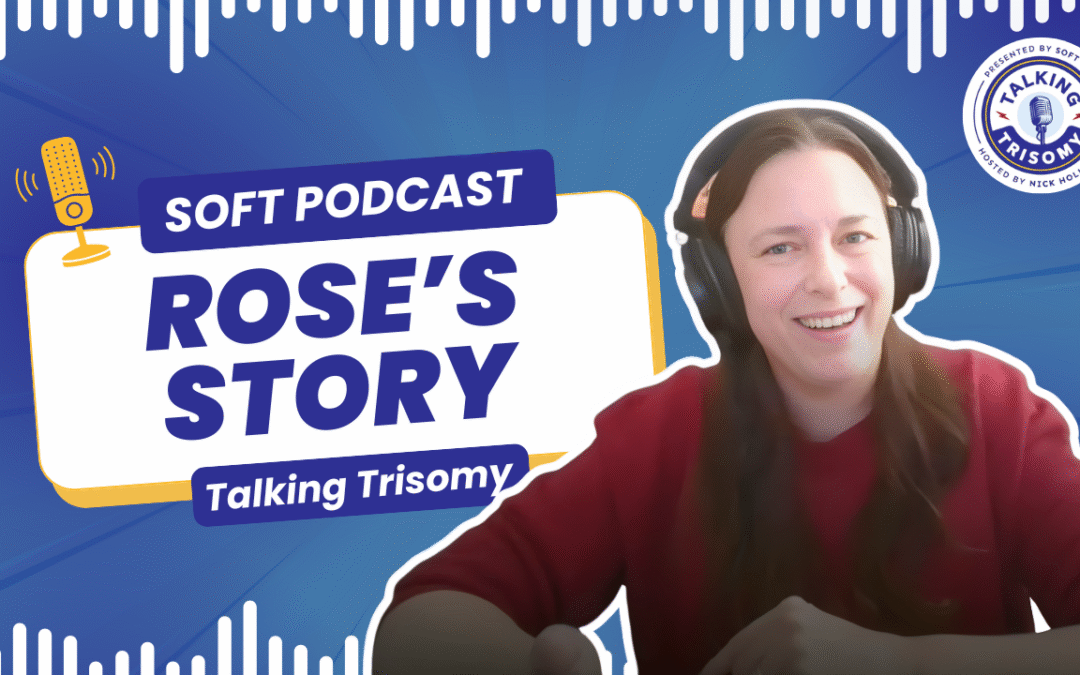
In the latest episode of Talking Trisomy, Meri Willard shares Rose’s story: a deeply honest account of diagnosis, medical advocacy, and the importance of equipping parents with accurate, evidence-informed resources from the very beginning.
Rose’s journey did not follow a single, predetermined path. And that reality—complex, evolving, and deeply personal—is at the heart of why her story matters.
A Diagnosis That Changes Everything
Meri learned of Rose’s Trisomy 18 diagnosis during pregnancy following prenatal screening and further evaluation. Like many parents, she describes the moment as one of emotional whiplash—where the joy of new life collided with language such as “life-limiting” and “incompatible with life.”
What stands out in Meri’s reflection is not only the shock of diagnosis, but the lack of balanced, current information early on. She recalls leaving appointments with more questions than answers, and a growing sense that she would need to actively participate in shaping her daughter’s care long before Rose was born.
One thing anchored her during those early days: there was a heartbeat. That single fact grounded Meri in the present and fueled her determination to learn, prepare, and advocate.
Advocacy Begins With Information
As pregnancy progressed, Meri quickly learned that advocacy for a child with Trisomy 18 often begins before delivery. Decisions about where to give birth, whether NICU care would be available, and how providers understood Trisomy 18 all influenced Rose’s future care.
Throughout the podcast, Meri emphasizes a theme that resonates deeply with many families:
information is power—especially when it is accurate, current, and grounded in both evidence and lived experience.
One of the most practical recommendations Meri shares is her strong encouragement for newly diagnosed parents to obtain and use the Trisomy 18 New & Expectant Parent Book developed by Support Organization for Trisomy (SOFT).
She describes this resource as something to print, binder, and bring to appointments—not as a confrontation tool, but as a way to support meaningful, informed conversations with care teams.
“That book became a shield,” Meri explains. “It helped me ask better questions and understand what options actually existed.”
Families can access the Trisomy 18 New & Expectant Parent Book and related resources here:
👉 https://trisomy.org/expectant-parent
Developed with contributions from clinicians and parents, the book covers prenatal care, delivery planning, NICU considerations, and evolving medical perspectives—giving families language and context during an overwhelming time.
Navigating NICU Care and Heart Surgery
After Rose’s birth, advocacy did not end—it intensified. Meri speaks candidly about navigating NICU care, encountering differing medical opinions, and pursuing heart surgery for a child with Trisomy 18.
Her story reflects a reality many families face: access to care is not always straightforward, and assumptions about Trisomy 18 can influence recommendations. Meri describes how using evidence-based resources—including those from SOFT—helped her engage in conversations grounded in data rather than outdated narratives.
At the same time, she is careful to emphasize an essential truth: not every Trisomy 18 journey leads to the same outcome. Meri speaks with deep respect for families whose children died too soon and underscores that seeking information and options is not about guaranteeing results—it is about ensuring families are supported in making decisions aligned with their values.
Beyond Survival: Seeing the Whole Child
As the conversation unfolds, Rose’s story moves beyond survival and into something quieter and deeply affirming: living.
Near the end of the episode, Meri shares how photographing Rose—often dressed in joyful, whimsical outfits—became a way to reclaim beauty, playfulness, and visibility. What began as a coping mechanism evolved into a meaningful practice of documenting Rose’s presence, personality, and joy.

These images are not meant to gloss over medical complexity or disability. Instead, they offer a fuller picture—one that includes creativity, connection, and the everyday moments that make childhood meaningful.
Why Rose’s Story Matters
Rose’s story matters because it challenges outdated assumptions and invites greater nuance. It encourages families and clinicians alike to move away from absolutes and toward individualized, compassionate care.
Most importantly, it reinforces a core belief shared by SOFT and many families:
Trisomy 18 is not one story, but many—and families deserve accurate information, respectful care, and support at every step.
Watch and Listen
🎥 Watch the full Talking Trisomy episode on YouTube:
👉 https://youtu.be/_BdlSH7-jOo?si=X0kE_jimxzsCVTMa
🎧 Listen on Spotify:
https://open.spotify.com/episode/2fFi3O0Dd1Pz0JgI1OMBOZ?si=g7uLZ0IQSsSZGSiBlNUTjA
Learn More & Find Support
To explore resources for newly diagnosed and expectant parents, including the Trisomy 18 New & Expectant Parent Book, visit:
👉 https://trisomy.org/expectant-parent
To follow Meri and see more of Rose’s journey, you can find her here:
👉 https://www.facebook.com/meri.k.willard
Please note: Meri’s page reflects one family’s experience. For direct support following a diagnosis, families are encouraged to connect with SOFT and their medical care teams.



















Recent Comments